





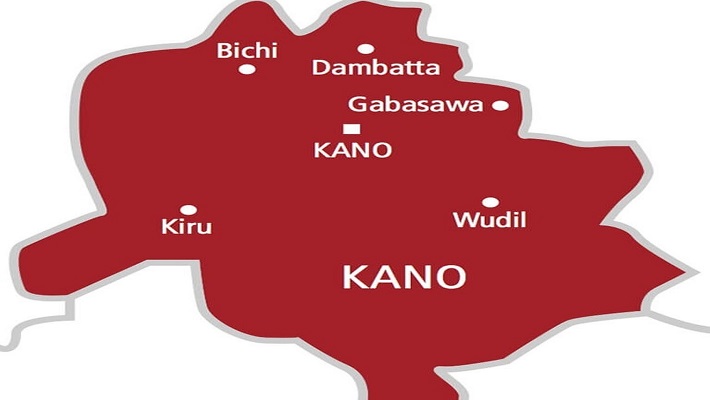
The tragic incident in Gargajiga town, Minjibir Local Government Area of Kano State, serves as a stark reminder of the inherent dangers associated with well digging and maintenance, particularly in regions with unstable soil conditions. Yusuf Nadabo, a 50-year-old well digger, lost his life while engaged in the perilous task of re-digging a partially blocked well. The seemingly routine operation turned fatal when the walls of the well unexpectedly collapsed, burying Nadabo under a cascade of sand. Two other individuals who were assisting Nadabo from outside the well narrowly escaped the disaster, highlighting the unpredictable nature of such undertakings.
The Kano State Fire Service, the primary emergency response agency, received a distress call reporting the well collapse at approximately 11:40 am on Thursday, January 9, 2025. The caller, identified as Bashir Namadi, conveyed the urgency of the situation, prompting the immediate mobilization of a rescue team from the department headquarters. The team arrived at the scene at approximately 12:20 pm, demonstrating a commendable response time given the potential gravity of the situation. Upon arrival, the rescue team promptly initiated operations to extricate the trapped individuals.
The rescue operation involved a race against time, with the rescuers working diligently to remove the sand and debris that had engulfed Nadabo. While the two individuals outside the well were rescued alive and unharmed, Nadabo’s situation proved more dire. He was recovered from the well unconscious and immediately transported to a nearby hospital for emergency medical attention. Tragically, despite the efforts of medical personnel, Nadabo was pronounced dead by the attending physician. The incident underscores the critical importance of adhering to safety protocols and utilizing appropriate protective measures when undertaking such hazardous tasks.
The aftermath of the incident saw the Kano State Fire Service formally handing over all three individuals involved to the ward head of Gargajiga town. This action signifies the completion of the immediate rescue and recovery phase and the transition to the subsequent stages of investigation and community support. The ward head, as a local authority figure, is expected to play a key role in facilitating communication between the affected families, the local community, and relevant government agencies. This handover also signifies the commencement of traditional processes for managing such tragedies within the community context.
This tragic incident emphasizes the need for enhanced safety measures in well digging and maintenance operations. Proper assessment of soil stability, the use of shoring and bracing techniques, and adherence to established safety protocols are crucial for mitigating the risks associated with these activities. Furthermore, the provision of adequate training and safety equipment for well diggers is essential for ensuring their safety and preventing future occurrences of such devastating events. The incident also highlights the importance of community awareness and education regarding the potential hazards associated with wells, particularly in areas prone to soil instability.
The loss of Yusuf Nadabo serves as a poignant reminder of the precarious nature of well digging and the potential consequences of neglecting safety precautions. The incident calls for a comprehensive review of existing safety regulations and practices, with the aim of strengthening safety standards and minimizing the risks faced by those engaged in this essential yet hazardous occupation. The memory of Nadabo’s unfortunate demise should serve as a catalyst for improved safety measures and a heightened awareness of the importance of protecting the lives of those who provide essential services to the community. His death underscores the need for continuous improvement in safety protocols and the implementation of effective preventive measures to avoid future tragedies of this nature.








