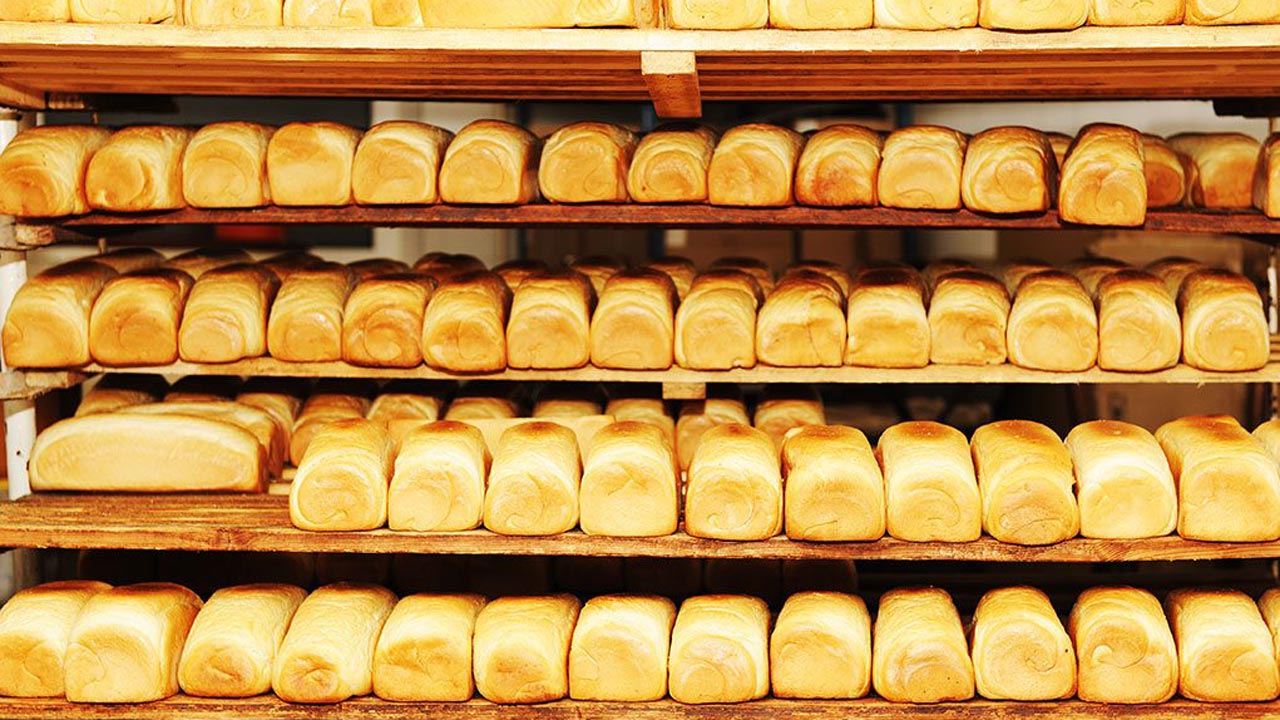
The Federal Institute of Industrial Research, Oshodi (FIIRO), along with the Premium Breadmakers Association of Nigeria (PBAN), has called for the integration of affordable, locally sourced alternatives into the bread value chain, particularly highlighting cassava as a key ingredient. This conversation gained momentum during the 2024 PBAN Members’ Day-Out in Lagos, where FIIRO’s Director-General, Dr. Jummai Tutuwa, represented by Dr. Adetokunbo Osibanjo, shared insights on composite flour innovations. These innovations incorporate cassava, sweet potatoes, and other indigenous grains such as sorghum and millet mixed with wheat to decrease production costs and reduce dependence on imported materials. Osibanjo emphasized Nigeria’s position as the largest global producer of cassava, highlighting its potential in the bakery sector, yet noted the necessity for bakers to embrace these changes and for stakeholders to provide robust support for implementation.
The historical context of cassava flour’s integration into baking was addressed, with Osibanjo tracing its innovation back to the 1990s. He expressed disappointment over the slow adoption of cassava bread in Nigeria, stating that FIIRO’s role is not to enforce but to inform. He argued that a more proactive embrace of cassava bread could have preempted many of the current economic challenges. This sentiment was echoed by PBAN President Emmanuel Onuorah, who underscored the urgency of addressing rising bread production costs amid economic pressures. He identified significant challenges in sourcing local ingredients in commercially viable quantities and in suitable forms, highlighting the need for dry alternatives to avoid increased storage costs.
Onuorah’s call to action extended to FIIRO, urging them to ensure that alternative baking materials are readily accessible and economically viable. He pointed out that members of PBAN were keen to innovate but assessed that the government and research institutions must facilitate the necessary infrastructure and policies to support these initiatives. This perspective was reinforced by Babalola Thomas, PBAN’s Public and Industrial Agent Officer, who lamented the long-standing discussions surrounding the feasibility of cassava bread even after four decades since its inception in Nigeria. He called for a more systematic and consistent approach to leverage the country’s agricultural advantages.
The discussions led by Thomas and other stakeholders highlighted the significant gap between years of potential innovation and the current state of the baking industry in Nigeria. With his role as Managing Director and CEO of T-Bakes Bakery, Thomas expressed frustration that Nigeria had yet to fully master the milling of cassava and wheat flour despite 42 years of trial and exploration. He criticized the stagnation in moving beyond discussions to actionable outcomes and stressed the need for definitive commitment from businesses, professionals, and government sectors.
In a bid to foster collaboration, audiences were encouraged to promote partnerships between FIIRO and the private sector. Adebowale Adebiyi, chairman of the PBAN Members’ Day-Out planning committee, advocated for a synergy between FIIRO and milling industries to lower raw material costs and enhance the accessibility of research findings. The discussions culminated in a panel session titled “Innovations in a Dynamic Bread Making Industry: Using Local and Affordable Alternative Ingredients,” where various industry experts explored strategies for optimizing operations and cutting costs through innovative practices.
During the panel discussions, experts urged bakers to adopt scientific methodologies instead of treating breadmaking as a casual endeavor. Recommendations included leveraging production automation and prioritizing sustainable practices within bakeries. Discussion participants also noted the reality that wheat is not cultivated in Nigeria and cautioned bakers to gradually adapt to local ingredients. Key contributors to the panel included executives from reputable firms and institutions, who provided pragmatic advice. They stressed the importance of basic bakery maintenance practices while optimizing all aspects of production to enhance overall efficiency in the Nigerian baking industry. The comprehensive dialogue underscored the critical intersection of innovation, local sourcing, and sustainable practices in addressing the burgeoning challenges faced by the breadmaking sector in Nigeria.