





The long-awaited peace between the Alavanyo and Nkonya communities in Ghana’s Volta region has finally been established, marking a significant milestone after years of conflict and developmental stagnation. This breakthrough can be largely credited to the unwavering dedication of Abraham Korbla Klutsey, the Chief Executive Officer of Youth for Peace and Security Africa (YPS-Africa). Klutsey’s commitment to fostering peace stemmed from his love for humanity and a desire to ensure that future generations inherit a harmonious environment. Both he and numerous stakeholders understood that the ongoing tensions not only hampered progress within these communities but also placed an undue economic burden on the nation as a whole. Their resolve to initiate a unified effort for peace took shape after recognition that lasting conflict has historically plagued the area since 1913.
The peace-building journey began with YPS-Africa’s initial forays into both communities in 2013 and 2015, where Klutsey played a pivotal role in facilitating dialogue among conflicting parties. The approach was rooted in inclusivity, allowing for the representation of various stakeholders who had previously been at odds with one another. Recognizing the multifaceted nature of the conflict, Klutsey and his team aimed to strengthen local resilience through strategic interventions that would pave the way for sustainable peace. Central to this initiative was an innovative application designed to aid in the identification, prevention, and resolution of conflicts, illustrating an intersection of technology and community engagement in the peace process.
Collaboration proved essential to the success of the initiative, with support coming from a variety of local and international partners. The involvement of a dedicated volunteer from Japan, alongside local entities such as the National Commission on Civic Education (NCCE) and the Volta Regional Peace Council, highlighted the broad support needed to initiate reconciliation efforts. Local community leaders, including the District Chief Executive (DCE), were instrumental in fostering a spirit of cooperation that encouraged disparate factions to come together. Klutsey underscored the importance of engaging specific groups, such as the Tayi community in Nkonya, which had a vested interest in the ongoing disputes, therefore making the peace process more relatable and grounded in local realities.
Understanding that education and community engagement would be critical in nurturing a culture of peace, YPS-Africa established Peace Clubs within both communities, including various schools. These clubs were designed to mentor younger generations on the essence of compromise and conflict resolution, ensuring that the values of peace are instilled early on. Additionally, the formation of peace negotiation teams enriched the dialogue process with diverse perspectives, particularly emphasizing the inclusion of women and youth who had been historically underrepresented in such discussions. These teams consisted of chiefs, elders, and community members who collectively worked towards a consensus-based roadmap devised for the peace-building endeavor.
After a comprehensive two-year period of intensive discussions and collaborative planning, the culmination of these efforts was realized through a clearly articulated plan adopted by all factions involved. The strategies developed with the Nkonya Paramount Chief played a crucial role in the peace-building process, ensuring that all parties felt heard and represented. The journey towards peace was not just about addressing grievances, but also about commemorating past traumas and building trust among the previously feuding communities. The collaborative nature of these efforts brought about a significant achievement that garnered attention and accolades, ultimately leading to the recognition of YPS-Africa’s work through various awards.
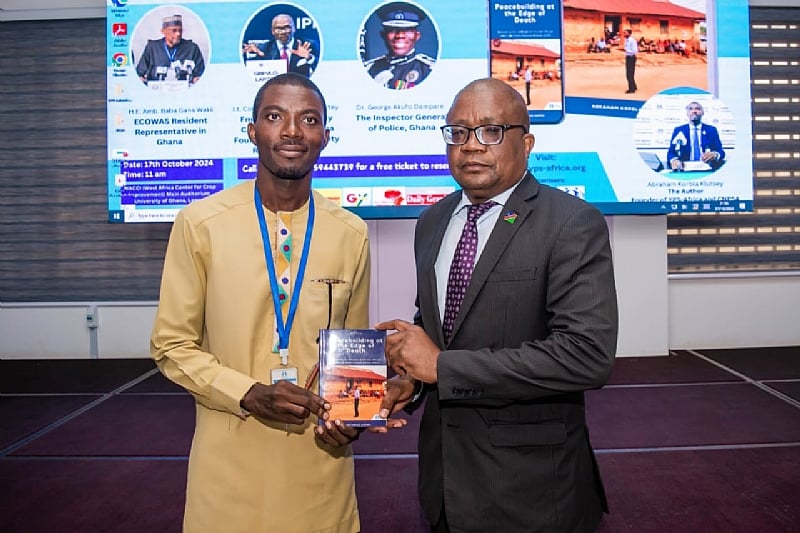
In commemoration of this historic milestone, YPS-Africa launched a book titled “Peace Building At The Edge of Death,” which chronicles the journey and strategies taken to achieve lasting peace between Alavanyo and Nkonya. This publication serves not only as a testament to the challenges faced but also as a guide for other conflict-affected communities seeking to embark on similar paths toward reconciliation and understanding. Klutsey’s narrative, woven with the lessons learned throughout the peace process, highlights the potential for positive change when communities unite to address their grievances and build a culturally sensitive dialogue around conflicts. Consequently, both the Alavanyo and Nkonya communities can now embrace a future marked by the principles of peace and cooperation, paving the way for socio-economic development and shared prosperity.








