





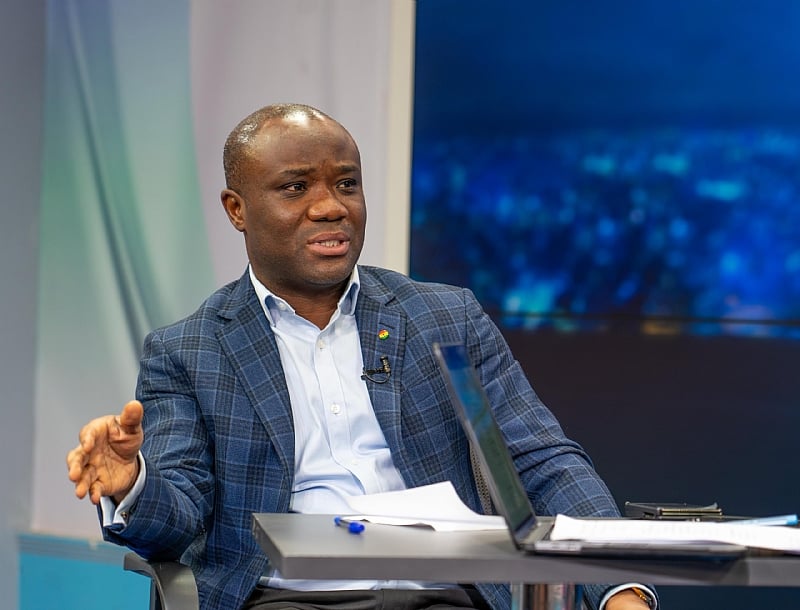
The ongoing strike by the Ghana Registered Nurses and Midwives Association (GRNMA) has sparked a heated debate about the government’s ability to meet their demands without jeopardizing the nation’s economic stability. Felix Kwakye Ofosu, Minister of State for Government Communications, has argued that immediately fulfilling the GRNMA’s requests could lead to economic collapse. He estimates the annual cost of implementing the Collective Agreement to be around GHS2 billion, a figure that could potentially rise even higher. Mr. Ofosu contends that such a substantial financial commitment would place an unbearable strain on the national budget, hindering the government’s ability to fund other essential services and potentially triggering a wider economic crisis. He emphasizes that a functioning economy is a prerequisite for meeting any demands, suggesting that prioritizing the GRNMA’s requests could ultimately undermine the very system needed to support them.
Mr. Ofosu’s argument centers on the concept of fiscal responsibility and the need to protect the national economy from unsustainable financial burdens. He acknowledges the principle of government as a continuum, meaning that subsequent administrations inherit the obligations of their predecessors. However, he argues that this principle doesn’t necessitate blindly adhering to policies that threaten the nation’s financial well-being. He asserts that governments have a responsibility to take corrective measures when faced with potentially harmful fiscal policies, even if those policies were initiated by a previous administration. In this context, he frames the government’s proposal to defer the implementation of the Collective Agreement to 2026 as a necessary step to safeguard the economy and ensure its long-term stability. He poses a crucial question: can the national budget absorb the estimated GHS2 billion cost, especially considering the legitimate needs of other public sector workers? This question highlights the government’s concern about managing competing demands within the constraints of available resources.
The GRNMA, on the other hand, expresses deep disappointment with the government’s decision to exclude their demands from the 2025 budget. They interpret this exclusion as a sign of disrespect and a lack of appreciation for their vital contributions to the healthcare system. The association’s key demands include a 13th-month salary, fuel and medical allowances, rural incentives, renewal of practicing licenses, and provision of uniforms. These demands reflect the nurses’ and midwives’ concerns about their financial well-being, working conditions, and professional development. Their decision to embark on a strike underscores their frustration and determination to secure what they perceive as fair and just compensation for their services.
The standoff between the government and the GRNMA highlights the complex interplay between fiscal responsibility, labor rights, and the provision of essential services. The government emphasizes the need to maintain a balanced budget and protect the overall health of the economy. They argue that succumbing to the GRNMA’s demands could create a domino effect, leading to similar requests from other public sector workers and ultimately jeopardizing the nation’s financial stability. The GRNMA, conversely, focuses on the immediate needs of its members and the importance of recognizing their contributions to the healthcare system. They believe that their demands are reasonable and essential for ensuring their well-being and enabling them to perform their duties effectively.
This situation presents a difficult challenge for both sides. The government must balance its commitment to fiscal prudence with the need to address the legitimate concerns of essential healthcare workers. The GRNMA, in turn, must consider the potential impact of their demands on the broader economy while continuing to advocate for improved working conditions and compensation for their members. Finding a mutually acceptable solution will require open communication, compromise, and a willingness to prioritize the long-term well-being of both the healthcare system and the national economy.
A possible resolution could involve a phased approach to implementing the Collective Agreement, allowing the government to gradually absorb the associated costs while demonstrating its commitment to addressing the GRNMA’s concerns. This approach could involve prioritizing the most critical demands, such as those related to essential working conditions and patient care, while deferring less urgent requests to a later date. Regular dialogue between the government and the GRNMA would be crucial for building trust and ensuring that the implementation process aligns with the needs of both parties. Ultimately, a successful resolution will depend on finding a balance between fiscal responsibility and the recognition of the vital role played by nurses and midwives in ensuring the health and well-being of the nation.








