









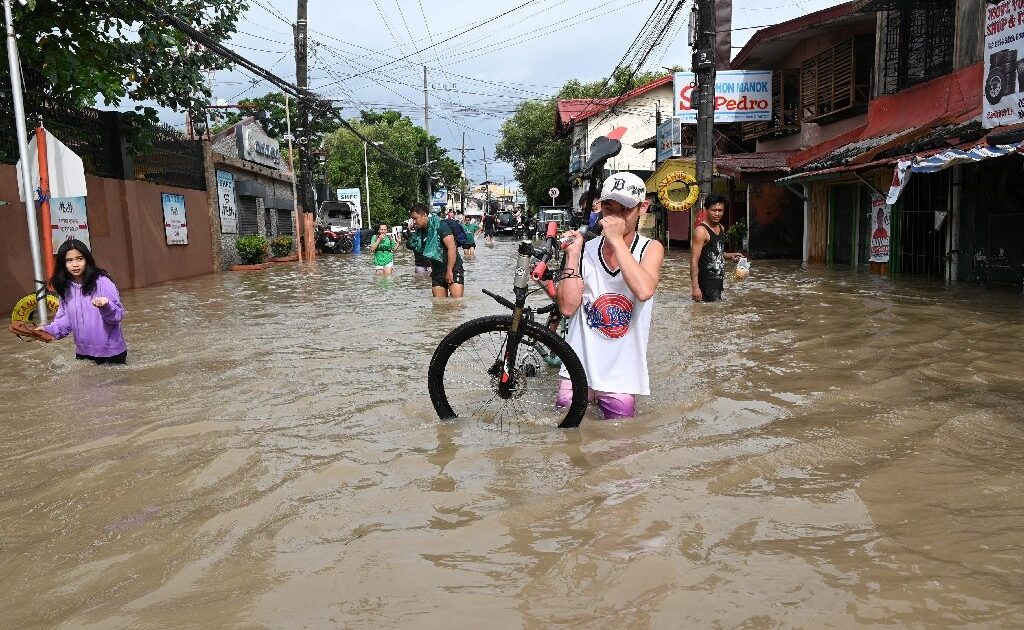
In the northeastern Philippines, widespread flooding and landslides triggered by Tropical Storm Trami on Thursday resulted in at least 24 fatalities. The storm wreaked havoc, sweeping away vehicles and forcing authorities to urgently deploy motorboats to rescue stranded villagers, many of whom found themselves clinging to rooftops as water surged around them. In response to this calamity, the Philippine government declared the closure of schools and offices across the main island of Luzon for a second consecutive day, with the exception of those engaged in catastrophe response, aiming to protect the millions at risk from the effects of the storm. After initially making landfall in the province of Isabela shortly after midnight, the storm gradually moved away from the northeastern coast toward the South China Sea, maintaining sustained winds of 95 kilometers per hour (59 miles per hour) and gusts of up to 115 kilometers per hour (71 miles per hour).
The devastation was particularly acute in the Bicol region and nearby Quezon province, where the majority of the casualties were reported. Drowning was the leading cause of death, with the toll expected to rise as more reports emerged from areas that were initially isolated due to the flooding and blocked transport routes. In the Bicol region alone, 21 fatalities were confirmed, including eight people from Naga City, which suffered severe flash flooding as Tropical Storm Trami closed in on the area, resulting in over two months’ worth of rainfall accumulated in just 24 hours during high tide. Local police chief Brigadier General Andre Dizon and other officials reported these overwhelming statistics as they coordinated ongoing recovery efforts.
While government forces successfully rescued thousands of villagers trapped in floodwaters, the sheer number of individuals still needing assistance in the Bicol region remained daunting. Authorities reported many residents were still stuck on rooftops, necessitating a continued push for effective rescue operations. Brigadier General Dizon mentioned that about 1,500 police officers were mobilized for disaster mitigation work, stating that the resources available, particularly motorboats, were insufficient to reach everyone in distress simultaneously. Efforts were redirected toward delivering essential food and water supplies to those who could not be evacuated immediately, reflecting the urgency of the ongoing humanitarian crisis.
The National Disaster Risk Reduction and Management Council of the Philippines reported that over two million people had been affected by the storm, with around 75,400 individuals displaced and seeking refuge on higher ground. Structural damages also conveyed the severity of the situation; over 1,000 houses faced destruction mainly in the Bicol region, and approximately 300 roads and bridges were rendered impassable due to flooding, landslides, and fallen trees. Such extensive infrastructural damage complicates recovery efforts and stresses the importance of effective disaster preparedness in the region, which is no stranger to severe weather.
The storm’s impact extended beyond just immediate fatalities and physical damage, disrupting vital transportation services across the archipelago. With inter-island ferry services suspended at more than 120 seaports, nearly 7,000 passengers and cargo workers found themselves stranded, illustrating the broader repercussions of natural disasters in the Philippines. These incidents highlight the challenges tied to an archipelago vulnerable to storms and typhoons; the nation experiences an average of around 20 storms annually.
The historical context of severe storms in the Philippines, particularly notable incidents like Typhoon Haiyan in 2013, serves as a grim reminder of the potential devastation brought on by tropical cyclones. Haiyan was one of the most potent typhoons ever recorded, leaving a death toll exceeding 7,300 and decimating entire towns. In light of such experiences, ongoing efforts to establish better disaster response frameworks, promote community preparedness, and invest in infrastructure resilience are critical to minimizing future loss of life and damages caused by similar weather events. The calamity brought on by Tropical Storm Trami underscores the urgent need for resilience-building initiatives to mitigate the effects of natural disasters on a population that remains at risk due to geographical and climatic conditions.









