









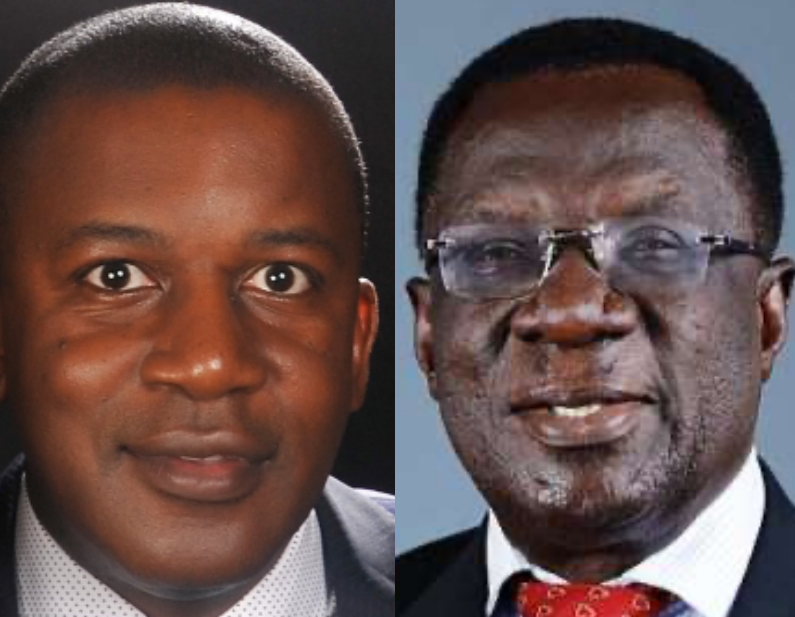
The ongoing trial of Professor Christopher Ameyaw-Akumfi, former Board Chairman, and Solomon Asamoah, former CEO of the Ghana Infrastructure Investment Fund (GIIF), has taken a new turn with the defense team’s plea for a review of the bail conditions. Accused of causing a $2 million financial loss to the state through their involvement in the ill-fated Accra Sky Train project, both men are currently out on bail totaling GH¢25 million, each secured by two sureties. However, their legal representatives are contesting the reporting requirements imposed by the court, which mandate Prof. Ameyaw-Akumfi to report to the police weekly and Mr. Asamoah three times a week. They argue these conditions are overly restrictive and have formally requested the court to reconsider. Justice Comfort Tasiame, presiding over the case, has instructed the defense to submit a formal application outlining their justifications for the requested modifications. The Attorney General’s office will subsequently respond to this application. The case has been adjourned to June 24, 2025, for a Case Management Conference, during which Deputy Attorney-General Dr. Justice Srem-Sai is expected to withdraw specific witness statements related to the prosecution’s case.
The charges against the former GIIF executives revolve around a $2 million investment made towards the proposed Accra Sky Train project. The prosecution alleges that in 2019, Prof. Ameyaw-Akumfi and Mr. Asamoah authorized the transfer of the funds from GIIF’s account to Africa Investor Holdings Limited, a South African company, without obtaining the necessary board approval. This transaction, according to the Attorney General’s office, was intended to secure a 10% stake in Ai SkyTrain Consortium Holdings, a Mauritius-registered company. The investment was purportedly part of a shareholder agreement between GIIF and Africa Investor Holdings Limited, which followed a memorandum of understanding signed in late 2018 designating GIIF as the anchor investor and local partner for the Sky Train project. However, the prosecution contends that despite the transfer of funds, GIIF never received the promised shares, and the project stalled without any subsequent action or accountability from the accused.
The core of the prosecution’s case rests on the alleged unauthorized transfer of the $2 million. They maintain that Prof. Ameyaw-Akumfi and Mr. Asamoah acted unilaterally, bypassing established procedures and disregarding the requirement for board approval for such a significant financial commitment. Furthermore, the prosecution highlights the lack of any tangible outcome from the investment, pointing to the absence of acquired shares and the complete stagnation of the Accra Sky Train project. The absence of any subsequent follow-up or efforts to recover the funds further strengthens their argument that the actions of the accused constituted a willful dissipation of public funds.
The defense, while yet to formally present their arguments for the relaxation of bail conditions, is expected to challenge the prosecution’s narrative. Their plea for modified reporting requirements suggests a strategy to mitigate the perceived burden placed upon their clients, possibly arguing that the current conditions are excessive given their standing and cooperation with the legal process. The specifics of their defense strategy regarding the core charges remain to be seen, but it is likely to center on contesting the claim of unauthorized action and presenting alternative explanations for the failed investment. The upcoming Case Management Conference in June 2025 will provide a clearer picture of the defense’s approach as they formally respond to the accusations.
The case has drawn significant public attention, focusing on issues of accountability and transparency within Ghana’s public institutions. The GIIF, responsible for managing and investing public funds for infrastructure development, operates under a mandate to ensure responsible and effective utilization of resources. The allegations against the former executives raise concerns about the efficacy of oversight mechanisms within the organization and the potential vulnerabilities to financial mismanagement. The outcome of this trial will have significant implications for public trust in the management of public funds and the accountability of those entrusted with such responsibilities.
The withdrawal of certain witness statements by the Deputy Attorney-General adds another layer of complexity to the proceedings. While the specific reasons for this withdrawal remain undisclosed, it opens up potential avenues for speculation. It could indicate a strategic move by the prosecution to streamline their case, focusing on the most compelling evidence. Alternatively, it could raise questions about the reliability or relevance of the withdrawn statements, potentially impacting the strength of the prosecution’s case. The implications of this withdrawal will become clearer as the trial progresses and the remaining evidence is presented before the court.









