





Paragraph 1: A Nation Mourns the Passing of a Transformative Leader
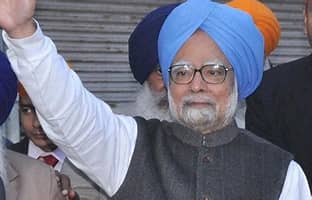
India bid farewell to Dr. Manmohan Singh, a towering figure in its modern history, who passed away at the age of 92. His death, confirmed by Prime Minister Narendra Modi, triggered a wave of national mourning for a leader whose economic reforms reshaped the nation’s trajectory and propelled it onto the global stage. Singh’s journey, from humble beginnings in a small village in pre-partition India to the highest office in the land, is a testament to his unwavering dedication, intellectual prowess, and commitment to public service. His legacy as the architect of India’s economic liberalization will forever be etched in the annals of the nation’s history.
Paragraph 2: From Humble Origins to Academic Excellence
Born in 1932 in Gah, a village now in Pakistan, Singh’s early life was marked by the challenges of poverty. Driven by a desire to alleviate the economic hardships faced by his community and the nation at large, he pursued the study of economics with unwavering resolve. His academic brilliance shone through, earning him scholarships to prestigious institutions like Cambridge and Oxford, where he distinguished himself, earning a first in economics at Cambridge and a PhD at Oxford. This academic foundation laid the groundwork for his future contributions to India’s economic policy and development.
Paragraph 3: A Steady Ascent in Public Service
Singh’s career was marked by a steady ascent through the ranks of public service. He held a series of key positions in the Indian government, including roles within the civil service and as the governor of the Reserve Bank of India. His expertise also extended to the international arena, with positions in global organizations such as the United Nations. These diverse experiences provided him with a comprehensive understanding of economic policy, both domestically and internationally, which would prove invaluable in his later role as Prime Minister.
Paragraph 4: The Architect of India’s Economic Transformation
Singh’s most significant contribution to India came in 1991 when, as Finance Minister under Prime Minister P.V. Narasimha Rao, he spearheaded a series of landmark economic reforms that pulled the nation back from the brink of financial collapse. These reforms ushered in an era of liberalization, privatization, and globalization, dismantling the license-permit raj and opening up the Indian economy to the world. This bold move laid the foundation for the rapid economic growth that India experienced in the subsequent decades, transforming it into a global economic powerhouse.
Paragraph 5: A Decade at the Helm: Triumphs and Challenges
Serving as Prime Minister from 2004 to 2014, Singh oversaw a period of significant economic growth, particularly during his first term. India witnessed a surge in economic activity, averaging around nine percent growth, solidifying its position as a major player in the global economy. His tenure also saw the signing of a landmark nuclear deal with the United States, aimed at addressing India’s growing energy needs. However, his second term was marred by slowing economic growth and a series of corruption scandals that tarnished his reputation, despite his personal reputation for integrity.
Paragraph 6: Legacy and Later Years: A Statesman’s Reflections
Despite the challenges faced during his second term, Singh’s legacy as a transformative leader remains firmly established. Known for his quiet demeanor and intellectual depth, he earned the moniker "Mr. Clean." While his reputation was impacted by the corruption scandals that emerged during his time in office, he maintained his belief that history would judge him more favorably than his contemporary critics. After leaving office, Singh remained a respected voice in Indian politics, offering insightful critiques of economic policies and expressing concerns about the rise of communal tensions and their potential threat to India’s democratic fabric. His passing marks the end of an era, leaving a void in the Indian political landscape.








