









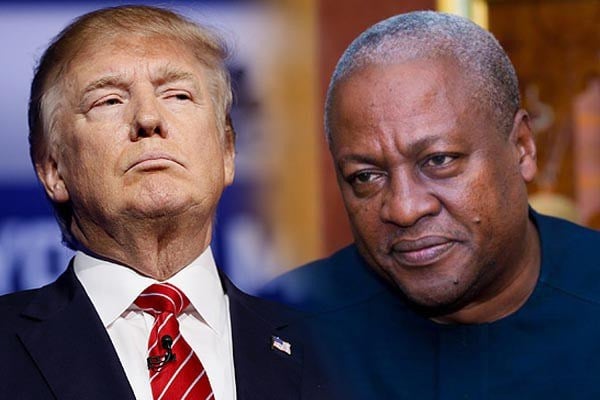
The meeting between Donald Trump and Cyril Ramaphosa highlighted a stark contrast between historical truths and fabricated narratives. Trump’s claims of white genocide in South Africa clashed with the documented history of racial persecution and massacres endured by Black South Africans during colonialism and apartheid. These claims are not simply falsehoods; they represent a dangerous manipulation of language to perpetuate historical injustices, a tactic long employed against Indigenous Africans. Silence in the face of such distortions is no longer an option. As Kenyan writer Ngũgĩ wa Thiong’o observed, conquering a people through language is a more effective and less costly method of subjugation than military force.
African nations have a deep understanding of their interconnected destinies. Their shared experiences of colonial oppression have forged a bond of solidarity, exemplified by Ghana’s support for South Africa during the Sharpeville massacre. This pan-African solidarity stems from a shared history of struggle against subjugation and discrimination on their ancestral lands. Events like the Soweto uprising in 1976, where hundreds of children were killed protesting apartheid, serve as potent reminders of the sacrifices made for freedom and equality. These historical memories are deeply ingrained in the collective consciousness of African nations. The blood spilled in these struggles nourishes the soil of South Africa and fuels the ongoing fight for justice.
The legacy of apartheid runs deep, despite its official end. While legal equality has been achieved, the economic disparities born from centuries of oppression persist. White South Africans, though a minority, still control a disproportionate share of the nation’s wealth. The existence of enclaves like Kleinfontein and Orania, where Afrikaner exclusivity is enforced and apartheid-era figures are venerated, further underscores the unresolved tensions. The question arises: why would Afrikaners seeking refuge in America not choose these existing separatist communities within their own country? This discrepancy exposes the hollowness of the “white genocide” narrative.
The accusation of Black South Africans perpetrating genocide against whites rings particularly false given the historical context. If revenge were the motive, it would have been sought decades ago when the wounds of apartheid were fresh. The current generation, largely born after apartheid, is focused on building a unified “rainbow nation.” The notion that they would suddenly embark on a genocidal campaign against whites lacks credibility. Ramaphosa’s attempts to address these baseless accusations were dismissed by Trump, who presented misrepresented images, including photographs of burials from Congo, as evidence.
Trump’s actions reveal a deliberate attempt to distort history and undermine the struggle for racial equality. By misrepresenting the situation in South Africa, he trivializes the real suffering experienced under apartheid and fuels a dangerous narrative that serves to divide rather than unite. This manipulation of historical narratives reflects a broader pattern of denying and distorting the experiences of marginalized communities. As Archbishop Desmond Tutu eloquently stated, destroying a people’s memory and history is a key component of their destruction.
However, memory and history are powerful forces. They are transmitted through generations, preserving the experiences of oppression and resilience. The stories told in homes, churches, schools, and through art forms like literature, music, and film, ensure the survival of these memories. These shared narratives shape identity and empower future generations to continue the fight for justice. As Ngũgĩ wa Thiong’o wrote, the journey forward begins from where we are, and for Africans, that starting point is a history of struggle, resilience, and an unwavering commitment to truth. The focus should remain on addressing the real crises facing the world – refugees, poverty, and actual genocides – rather than perpetuating fabricated narratives that distract from these urgent issues.









