









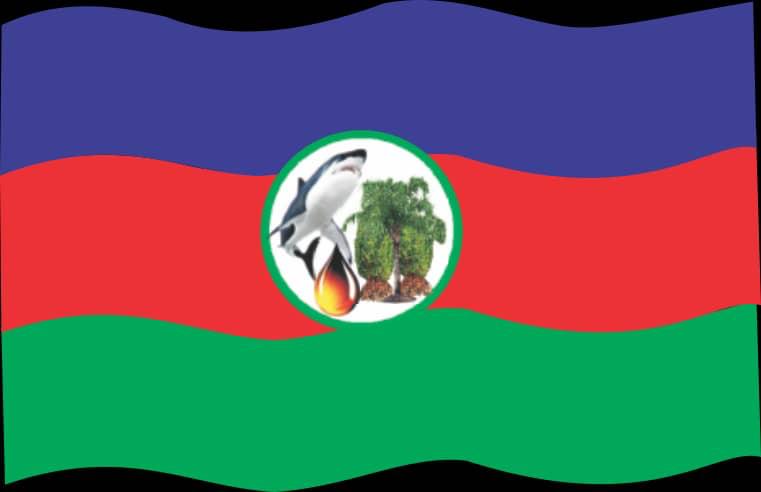
Stakeholders gathered under the banner of the Azaiki Foundation, in collaboration with the Ijaw National Congress, have emphasized the urgent need to implement strategies that will ensure a bright future for the Ijaw people. This call to action was a focal point of discussion during a two-day summit held in Bayelsa State, themed “Environmental Regeneration and Economic Sustainability.” The summit aimed to equip the Ijaw region with the tools necessary for environmental rejuvenation and economic sustainability while advocating for the active participation of its communities. The forum served as a crucial platform for engaging relevant stakeholders in discussions about the region’s future, reinforcing the importance of joint efforts in addressing the unique challenges faced by the Ijaw people.
At this interdisciplinary conference, leaders, scholars, and community members engaged in discussions about the economic development and sustainability of the Ijaw region. The summit brought to light pertinent issues concerning the preservation of the environment, economic growth, and the significance of local involvement in these initiatives. Key topics covered during the event included the marine and blue economy opportunities inherent within the Niger Delta. Furthermore, the summit underscored the necessity for enhanced infrastructure security, emanating from an acknowledgment of the region’s vast natural resources. As the stakeholders deliberated, a shared vision of blending economic prosperity with environmental accountability emerged.
The Bayelsa conference served as a precursor to a larger summit planned for December 3-5, 2024, in Port Harcourt, Rivers State. The intention behind both gatherings is to fortify discussions on marine economy opportunities, environmental regeneration, and ways to effectively prevent oil theft, which has plagued the region. Another vital theme highlighted was human capital development, which is crucial for empowering individuals within the Ijaw community to take active roles in their development. The gathering of diverse participants during the two-day summit showcased a collective commitment to drafting policies that would spearhead sustainable progress within the Ijaw region.
Prof. Steve Azaiki, President of the Azaiki Foundation, underscored the organization’s commitment to fostering an environment conducive to economic resilience and sustainable practices. He emphasized that this summit is a crucial step toward ensuring that the people of the Ijaw region can harness the wealth of their natural resources for their benefit. Azaiki’s insights resonated deeply with attendees, as he articulated the need for establishing frameworks that promote responsible resource management while empowering local communities. His advocacy for unity and strategic collaboration among stakeholders led to a burgeoning optimism about the potential positive outcomes of these discussions.
Among the notable speakers at the event was the Rivers State Governor, Siminalayi Fubara, represented by Dr. Tammy Danagogo. The governor’s remarks echoed the sentiments of needing improved cooperation between stakeholders and government entities. A goodwill message from Mr. Emeka Ugwu-Oju of the South East-South South Professionals of Nigeria presented the Development Agenda South East-South South 2035 as a strategic outline for the upcoming main summit. This agenda emphasizes the urgency for coordinated efforts across various regions to address the multifaceted challenges facing the Ijaw people and facilitate a comprehensive approach to economic growth and environmental sustainability.
In conclusion, the summit organized by the Azaiki Foundation has set a significant precedent for future discussions around the Ijaw region’s environmental and economic aspirations. The stakeholders’ emphasis on collaboration, proactive involvement of local communities, and prioritization of sustainable practices represents a comprehensive approach to securing a prosperous future for the Ijaw people. As preparations for the larger summit in 2024 continue, there is a palpable sense of hope and determination that through unity and focused dialogue, the Ijaw region can attain an optimal balance between environmental stewardship and economic growth.









