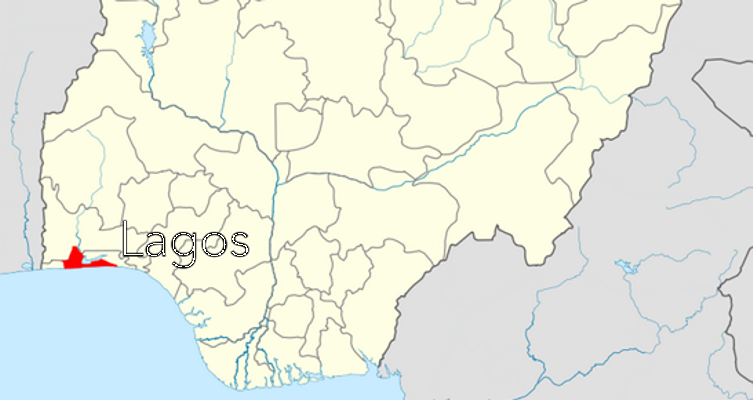
Four free trade zones in Lagos State, Nigeria, have successfully attracted a total investment of $8 billion, significantly contributing to local economic activity and strengthening international trade relationships. These zones encompass the Lagos Free Trade Zone, Lekki Free Trade Zone, Alaro City, and the Lagos Deep Offshore Logistics (LADOL). During a recent media tour organized by the Nigeria Export Processing Zones Authority (NEPZA), officials revealed the impressive investment figures for each zone, highlighting the zones’ roles in enhancing the growth of export-oriented manufacturing and other industries in Nigeria.
The Lagos Free Trade Zone has garnered an investment of $2.5 billion, while the Lekki Free Trade Zone leads with $4 billion in attracted capital. Alaro City has seen investments totaling $1 billion, and the LADOL facility, focused on logistics and engineering, has received $500 million. NEPZA officials emphasized that these free trade zones create an environment conducive to economic growth, particularly in the non-oil sector, thereby boosting Nigeria’s overall economic landscape. The establishment of the zones has led to job creation, providing 38,429 direct posts and approximately 172,930 indirect job opportunities by the end of 2023.
Chinju Nwankwo-Udora, the Lagos FTZ’s Manager of Business Development and Marketing, provided insights into the zone’s achievements and future potential during the tour. Established in 2012, the Lagos FTZ has developed world-class infrastructure that simplifies business operations for investors. Currently, the zone hosts 30 operational companies, with plans to increase this number to 150 in the coming years. The investment in critical infrastructure includes the ongoing development of the Lekki ports project, contributing significantly to the local economy through customs duties and taxes remitted to the Lagos State government.
The deputy managing director of LFZDC, Bolatito Ajibode, noted that the zone employs about 3,200 workers daily and emphasizes the importance of foreign direct investment, which has surged to between $4 billion and $5 billion. Ajibode highlighted that 60 enterprises are currently operational while 30 additional companies are under construction across various sectors, such as manufacturing, oil and gas, and logistics. Despite these successes, the zones face challenges, including inadequate road infrastructure and the devaluation of the Nigerian naira. To address some of these issues, the zones have adopted flexible financial policies to assist local investors in entering the market.
Dr. Amy Jadesimi of LADOL also expressed the importance of the free trade zones for boosting the manufacturing sector, indicating the plan to diversify into agricultural processing and parts manufacturing, projected to create about 30,000 jobs over the next years. Jadesimi reflected on the various challenges encountered, underscoring the need for self-belief among Nigerians to overcome barriers and collaborate effectively. She urged for greater support for local initiatives, positing that if Nigerians worked collectively, the hurdles faced would be more manageable.
Alaro City, in turn, has outlined key growth opportunities for both domestic and international investors. Project Director Morgan Oriahi pointed to strategic factors like the city’s proximity to the Lekki Deep Seaport, an airport, and well-developed road networks as essential elements for attracting business activities in the free zone. The successes and challenges highlighted in the free trade zones underscore the potential for further development and investment in Nigeria, fostering a more robust economic environment and advancing the country’s position in global trade.