





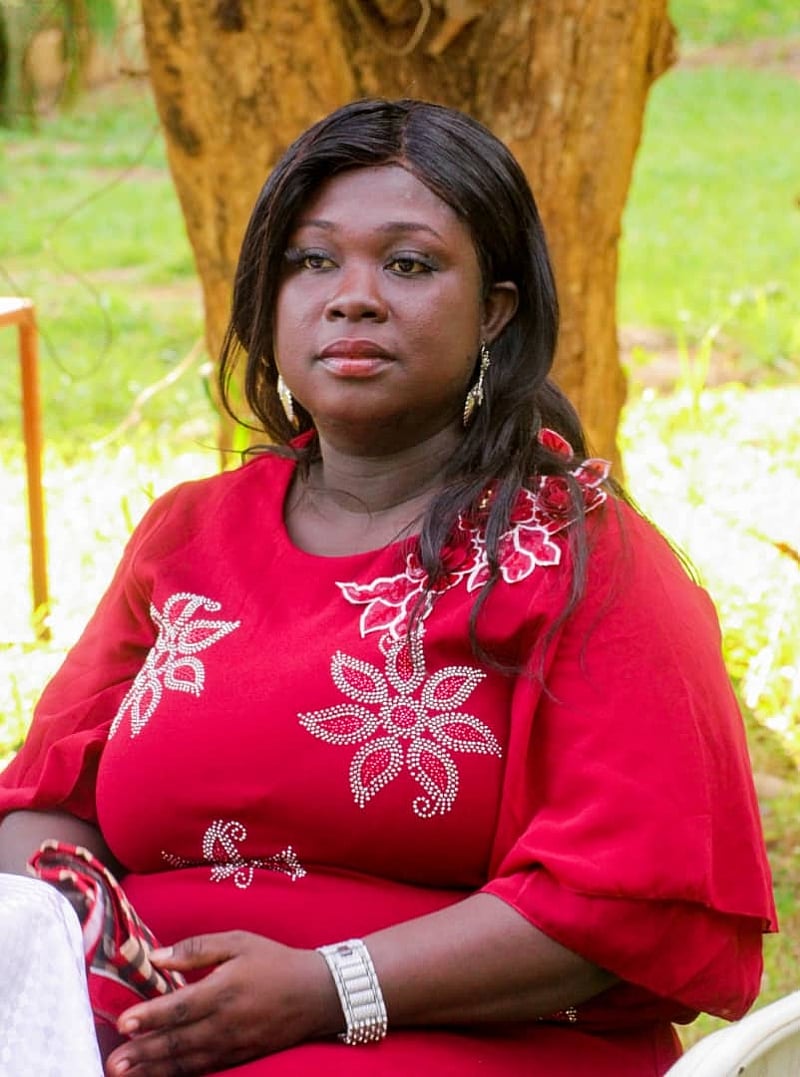
The G2 Foundation, a non-governmental charitable organization, has publicly lauded Professor Jane Naana Opoku-Agyemang on her historic achievement as the first female Vice President-elect of the Republic of Ghana. Expressing their optimism and expectations for the incoming National Democratic Congress (NDC) administration, the Foundation, along with several market women, has urged the government to prioritize the establishment of the Women’s Development Bank, a key promise in the NDC’s manifesto. They believe this institution will play a pivotal role in empowering women economically and uplifting vulnerable populations within Ghanaian society.
The Foundation’s CEO, Mrs. Gifty Nyarko, emphasized the significance of Professor Opoku-Agyemang’s leadership in ensuring the effective operation of the Women’s Development Bank. Mrs. Nyarko highlighted the struggles faced by many women in the informal sector, particularly single mothers who bear the heavy responsibility of providing for their children. The bank, she argued, will serve as a catalyst for micro and small-scale businesses led by women, offering access to much-needed financial resources and fostering economic growth. The bank’s focus on low-interest loans is expected to expand the private sector employment net, offering a lifeline to struggling businesses and ultimately improving the livelihoods of numerous Ghanaian citizens.
The call for the Women’s Development Bank resonated strongly with market women who shared their personal experiences and expectations. Madam Yaa Asuama, a grocery shop operator, expressed her belief that the bank will significantly ease the financial burden faced by single mothers, providing access to capital for business expansion and offering start-up capital for aspiring female entrepreneurs, particularly in rural communities. Agyeiwaa, a second-hand shoe dealer, echoed this sentiment, highlighting the bank’s potential to not only boost her own business but also to create employment opportunities for others.
The women also emphasized the need for meticulous planning and management of the bank to ensure its long-term sustainability. Ms. Vida Tetteh, a petty trader, stressed the importance of a systematic approach, strict accountability, and transparent operations to prevent the bank from becoming a mere political gesture. She urged the incoming government to prioritize these elements to ensure the bank’s success and its enduring impact on women’s economic empowerment.
The G2 Foundation’s appeal aligns with broader calls for gender equality and economic empowerment of women in Ghana. The establishment of a dedicated financial institution like the Women’s Development Bank has the potential to address systemic barriers faced by women entrepreneurs, providing them with the necessary resources to thrive and contribute meaningfully to the national economy. This initiative, if implemented effectively, could represent a significant step towards achieving the UN Sustainable Development Goals, particularly those focused on poverty reduction, gender equality, and decent work and economic growth.
The incoming NDC government faces the challenge of translating this promise into a reality. Successfully implementing the Women’s Development Bank requires careful consideration of various factors, including its organizational structure, lending policies, outreach strategies, and risk management mechanisms. It is essential to ensure that the bank’s services reach the intended beneficiaries, particularly women in rural and marginalized communities who often lack access to traditional financial institutions. Furthermore, robust monitoring and evaluation frameworks are essential to track the bank’s impact and make necessary adjustments to maximize its effectiveness. The government’s commitment to transparency and accountability will be crucial in building public trust and ensuring the bank’s long-term sustainability.








