





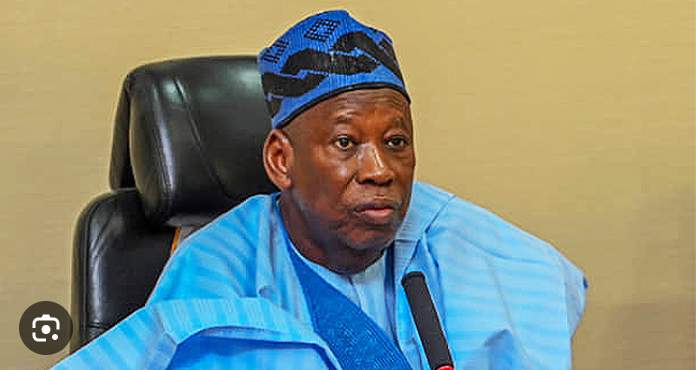
The recent appointment of Monday Okpebholo as the Governor-Elect of Edo State by the All Progressives Congress (APC) marks a significant political shift following the fiercely contested governorship elections held on September 21, 2024, in which he emerged victorious. Dr. Abdullahi Ganduje, the National Chairman of the APC, received Okpebholo and his delegation in Abuja as part of a courtesy ‘thank-you’ visit. During this meeting, Ganduje stressed the importance of focusing on governance rather than engaging in conflicts with the outgoing governor, Godwin Obaseki. The Independent National Electoral Commission (INEC) confirmed Okpebholo’s win with 291,667 votes, defeating the Peoples Democratic Party’s (PDP) candidate, Asue Ighodalo, who garnered 247,274 votes. The outcome reflects a narrow but decisive preference among the electorate for the APC’s agenda in Edo State.
Post-election, tensions between Okpebholo and the current government have escalated, with accusations directed at Obaseki’s administration regarding alleged corruption and mismanagement. Nonetheless, Ganduje advised the incoming governor to steer clear of engaging in disputes with his predecessor. Instead, he encouraged Okpebholo to concentrate on fulfilling the commitments outlined in his electoral manifesto. This guidance was framed within the context of a “progressive government,” which, according to Ganduje, should prioritize constructive governance and the socio-economic development of the populace over political rivalries. He underscored the importance of building constructive relationships with stakeholders rather than allowing past grievances to dictate the focus of the new administration.
Highlighting the significance of governance continuity, Ganduje urged Okpebholo to adopt an action-oriented approach in his new role as governor. He reminded the newly elected leader of the proactive stance he took during the campaign, emphasizing that similar energy should be applied to governance. Furthermore, Ganduje affirmed the party’s commitment to supporting Okpebholo, alongside a reminder that active engagement at all levels—from wards to local government—is essential for the party’s functional operation. This call for unity and effective governance is viewed as crucial to cementing the APC’s status and furthering progress in Edo State.
In a show of gratitude, Okpebholo acknowledged the support and guidance provided by Ganduje and fellow APC governors leading up to his electoral victory. He recognized President Bola Tinubu’s role in maintaining peace during the election period, which was marked by apprehensions over potential violence. Okpebholo reflected on the significance of the peaceful election, underscoring that previous fears of violence proved unfounded. He framed his victory as a new dawn for Edo State, symbolizing hope and renewal for its citizens.
The newly elected governor’s commitment to a positive trajectory in governance aligns with Ganduje’s vision of forward-thinking leadership. Okpebholo’s remarks convey a clear recognition of the collaborative efforts necessitated to achieve successful governance. By reciprocating the sentiments expressed by Ganduje, he appears poised to redefine the political landscape of Edo State, focusing on unity, development, and the well-being of the people. His focus on bridging relationships, as highlighted during his response, indicates an understanding of the need for a collective effort in addressing the challenges faced by the state.
In conclusion, the transition from Obaseki’s administration to Okpebholo’s governance signifies both a period of change and a call to action for the newly elected leader. Ganduje’s guidance emphasizes the importance of prioritizing governance over political disputes, promoting socio-economic development, and engaging stakeholders in the process. As Okpebholo embarks on this journey, he carries the hopes of his constituents for a prosperous future, fostered by the principles of collaboration and dedicated governance. This transition also underscores the evolving dynamics within the APC as they strive to maintain their influence in Edo State while navigating the complexities inherent in the political arena.








