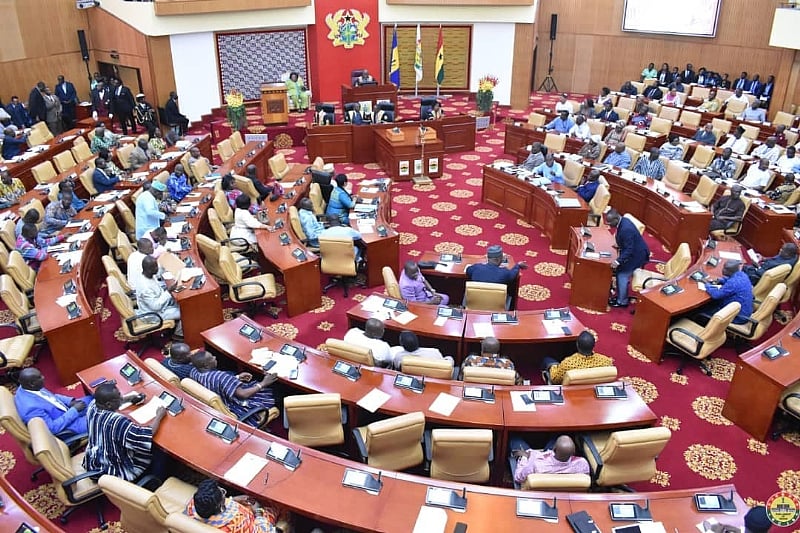
The Electoral Commission (EC) of Ghana has largely completed its task of collating and gazetting the parliamentary election results from the December 7, 2024 elections. 274 constituencies have had their results officially finalized and submitted to the Clerk of Parliament, paving the way for the swearing-in of the majority of the elected Members of Parliament (MPs). However, two constituencies, Ablekuma North and Dome Kwabenya, remain outstanding, with their re-collation processes suspended due to incomplete documentation and discrepancies. The EC is actively working to resolve these issues and ensure the results for these constituencies are finalized before the inauguration of the new Parliament on January 7, 2025. The EC has expressed confidence that this target will be met, allowing all elected MPs to take their seats on schedule.
The delay in finalizing the results for Ablekuma North and Dome Kwabenya stems from challenges encountered during the re-collation process. In Ablekuma North, the EC is awaiting results from 37 polling stations to complete its assessment. For Dome Kwabenya, the re-collation was halted due to the absence of hard copies of pink sheets, crucial documents used to verify results, for three polling stations. These missing documents, expected to be provided by the political parties involved, are essential for ensuring the accuracy and integrity of the electoral process. The EC’s insistence on securing this documentation before proceeding demonstrates its commitment to upholding transparency and due process.
The re-collation exercises, while addressing irregularities and ensuring the accuracy of the results, have faced criticism regarding their legality. Dr. Bossman Asare, the Deputy Chair of the EC in charge of Corporate Services, has refuted these criticisms, asserting that the initial declarations of results in the affected constituencies were made under duress and did not adhere to due process. He clarified that the EC’s mandate includes ensuring the validity of the electoral process and that validating declarations made under duress would compromise the integrity of the election. Therefore, the re-collation was deemed necessary to rectify the irregularities and ensure the legitimacy of the results.
Dr. Asare further explained that re-collation is not unprecedented, citing examples from the 2004 elections where similar exercises were conducted in constituencies facing irregularities. He emphasized that while the electoral regulations stipulate that re-collation cannot occur after declarations, this clause applies only to declarations made following due process. In the cases of Ablekuma North and Dome Kwabenya, the initial declarations were deemed invalid due to the circumstances under which they were made, thus necessitating the re-collation process. This clarification underscores the EC’s commitment to upholding the principles of fairness and transparency in the electoral process.
The December 7, 2024, general elections resulted in the election of former President John Dramani Mahama as President, marking a return to the highest office for the experienced politician. Alongside the presidential election, Ghanaians also voted for their representatives in Parliament, with 276 seats contested. The EC’s efforts to finalize the parliamentary results are crucial for ensuring a smooth transition of power and the commencement of the 9th Parliament. The successful resolution of the outstanding issues in Ablekuma North and Dome Kwabenya will allow all elected MPs to participate in the swearing-in ceremony on January 7, 2025.
The meticulous approach adopted by the EC in addressing the challenges faced in Ablekuma North and Dome Kwabenya highlights its commitment to upholding the integrity of the electoral process. By diligently pursuing the missing documentation and engaging with stakeholders, the EC aims to ensure that the final results accurately reflect the will of the people. This commitment to transparency and due process is essential for maintaining public trust in the electoral system and fostering a stable and democratic environment. The finalization of these results and the subsequent swearing-in of all elected MPs will mark a crucial step in the transition of power and the beginning of a new chapter in Ghana’s political landscape.