





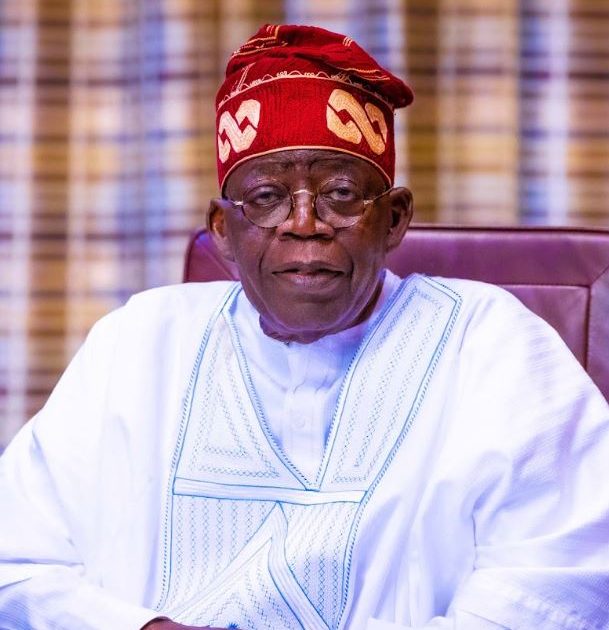
President Bola Tinubu’s approval of lavish retirement packages for Nigerian service chiefs, including $20,000 for foreign medical treatment, bulletproof SUVs, and personal staff, has sparked widespread criticism from medical associations and civil society organizations. The Harmonized Terms and Conditions of Service (HTCOS), signed by President Tinubu, outlines these benefits, extending to other high-ranking officers like lieutenant generals who receive two Toyota Hilux vehicles or a Land Cruiser, a similar medical allowance, and domestic staff. Major generals and brigadier generals also receive substantial benefits, including a Land Cruiser or equivalent, $15,000 for medical treatment, and domestic support. Even one-star officers are entitled to $10,000 for medical care, a Toyota Camry, and similar arrangements. This extravagant allocation of resources has raised concerns about the government’s priorities, especially given Nigeria’s prevailing economic hardships and persistent security challenges.
The Nigerian Medical Association (NMA), the Medical and Dental Consultants Association of Nigeria (MDCAN), and the Nigerian Association of Resident Doctors (NARD) have strongly condemned the provision of foreign medical treatment in the retirement package. They argue that these funds should be invested in strengthening Nigeria’s healthcare system, enabling it to provide high-quality care within the country. The NMA President, Prof. Bala Audu, emphasized that all government officials, including the President and service chiefs, should receive medical treatment in Nigeria. This sentiment was echoed by MDCAN President, Prof. Muhammad Muhammad, who stressed the need for the government to demonstrate confidence in the Nigerian healthcare system by investing in its improvement rather than sending officials abroad for treatment. NARD President, Dr. Tope Osundara, highlighted the detrimental impact of medical tourism on the Nigerian health sector, advocating for a paradigm shift in government policy to prioritize local healthcare.
Critics argue that the substantial financial outlay for these retirement packages could be better utilized to address critical national needs, particularly in healthcare and security. The allocation of $20,000 per year for foreign medical treatment for retired lieutenant generals and even higher amounts for service chiefs, while millions of Nigerians struggle with access to basic healthcare, underscores a significant disconnect between government spending and public needs. This expenditure on foreign medical care appears to contradict the government’s stated commitment to strengthening the domestic healthcare system and improving the well-being of its citizens.
Furthermore, the provision of bulletproof SUVs, domestic aides, and security personnel raises questions about the justification for such extravagant perks, especially given the ongoing security challenges faced by the country. While acknowledging the need for security for high-ranking officials, critics argue that the level of luxury provided in these retirement packages is excessive and insensitive to the plight of ordinary Nigerians who bear the brunt of insecurity. They contend that these resources could be more effectively deployed to equip and support the armed forces in their fight against insurgency, banditry, and other forms of violence plaguing the nation.
Civil society organizations have also voiced their concerns regarding the optics and implications of these lavish retirement benefits. Friday Odeh, Country Director of Accountability Lab Nigeria, described the development as “alarming,” questioning the government’s priorities in the face of widespread economic hardship. He highlighted the irony of providing such extravagant perks to service chiefs while millions of Nigerians grapple with poverty and inadequate public services. Odeh also questioned the performance of the service chiefs, given the persistent insecurity across the country, arguing that their achievements do not warrant such lavish rewards. He called for greater transparency in military procurement and budgetary processes, suspecting corruption within these allocations.
Okechukwu Nwaguma, Executive Director of the Rule of Law Advocacy and Accountability Centre, echoed these concerns, stating that the retirement benefits reflect a “troubling disconnect” between government actions and the realities faced by citizens. He argued that the disparity between the lavish perks enjoyed by the elite and the struggles of ordinary Nigerians could further erode public trust in the government. Nwaguma stressed the importance of government policies aligning with the socio-economic realities of the population, prioritizing security and social welfare initiatives over extravagant benefits for a select few. He emphasized that responsible governance requires demonstrating empathy and prioritizing the needs of the people over the privileges of the elite. This critique underscores the need for a more equitable distribution of resources and a greater focus on addressing the pressing needs of the Nigerian populace.








