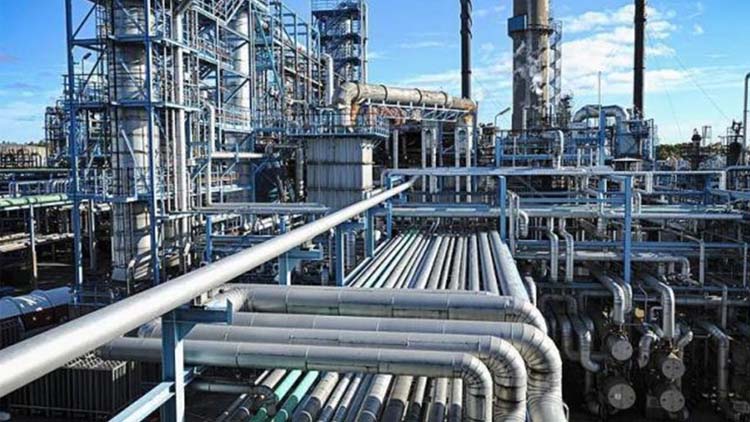
Genesis Energy is actively working to enhance the electricity supply for the Port Harcourt refinery in Nigeria, with ambitious plans to scale up its off-grid electricity capacity from the currently operational 84 megawatts to 334 megawatts. This information was revealed by Akinwole Omoboriowo, the Chairman and CEO of Genesis Energy, during the recent Nigeria Energy Leadership Summit held in Lagos. The existing 84MW off-grid plant is already supplying power to the refinery, ensuring around-the-clock electricity that is crucial for its operations. Omoboriowo emphasized the vital role that dependable power sources play in fostering economic growth, noting that addressing energy challenges is essential for progress. Genesis Energy is committed to forging partnerships to create sustainable solutions that enhance power availability for industries and communities, thereby enabling them to thrive without the disruptions typically associated with unreliable electricity supply.
The company presented its notable energy initiatives at the summit, underscoring its commitment to providing cleaner and more affordable electricity to various sectors in Nigeria, including key industries, healthcare facilities, and agriculture. A key project highlighted was the Port Harcourt Refinery project, which hosts one of Africa’s largest Independent Power Producer (IPP) systems operating off-grid. With its plans to expand to 334MW, Genesis aims to deliver consistent energy not just to the refinery but also to the surrounding communities, thus playing a significant role in local development and economic empowerment. Omoboriowo outlined the company’s broader mission, stating that their endeavors go beyond merely supplying electricity; they aim to stimulate long-term economic growth by alleviating energy-related challenges that often hinder businesses from reaching their full potential.
In a related context, the Association for Public Policy Analysis of the Electricity Consumers Protection and Advocacy Centre has raised concerns regarding the management of the National Mass Metering Programme (NMMP), which had N200 billion allocated by the Central Bank of Nigeria in 2020. This advocacy group is urging the House of Representatives to conclude its investigation into the disbursement of these funds, pointing out issues of mismanagement and non-compliance linked to the power distribution companies’ failure to adequately meter consumers. The association’s National President, Princewill Okorie, expressed the frustrations of consumers who have paid for meters yet have not received the devices, fueling skepticism about the effectiveness of the NMMP.
According to the association, the initial phase of the NMMP was allocated N59.280 billion, with a target of installing one million meters. Okorie emphasized the need for transparency and accountability, stressing that the expected outcomes of the investigation should address the ongoing metering challenges in the electricity sector. The Minister of Power, Adebayo Adelabu, recently indicated that 1.8 million meters were procured to address estimated billing issues, but Okorie noted that this statement did not clarify the progress made under previous meter programs, nor did it address the consumers’ concerns. The association is calling for documented evidence of how many meters were paid for and installed prior to the NMMP launch, highlighting the importance of clarity in meter distribution practices.
Further complicating matters, Okorie pointed out discrepancies in the funding, mentioning a gap of over N3 billion between the total allocated and drawn-down funds. There is also concern regarding the low repayment rates of loans associated with the project, which raises questions about the viability of the NMMP and the financial management by the distribution companies (Discos). He called for accountability from the Nigerian Electricity Regulatory Commission (NERC), urging them to provide clarity on the implementation of both the Meter Assets Provider (MAP) program and the allocations associated with NMMP loans. This includes questions about the criteria for loan allocations, disbursement strategies, and evidence of the distribution of meters to consumers.
The advocacy group insists that a thorough investigation is necessary to shed light on the current state of the NMMP, particularly since initiatives launched in 2020 have not progressed as expected. Key questions remain regarding whether the program has merely stalled at the pilot phase or if there are larger, systemic issues preventing its full implementation. They are also pressing for insights on what has happened to the N200 billion set aside by the Central Bank of Nigeria and are urging for a detailed account of the status of the NMMP funds. The organization believes that increased transparency in these matters is crucial for restoring trust and ensuring accountability in Nigeria’s electricity sector.
In summary, Genesis Energy is making strides in enhancing the electrical infrastructure essential for the Port Harcourt refinery, aiming for significant expansions that will not only benefit the refinery but also the local communities. Simultaneously, consumer advocacy groups are demanding greater transparency and accountability in the management of government-backed initiatives like the NMMP, which aim to improve metering and the overall efficiency of Nigeria’s electricity supply. These developments underscore the underlying challenges of a growing energy sector in Nigeria, where dependable power is critical for economic development and where consumer rights and protections must also be prioritized to avoid operational inefficiencies.