





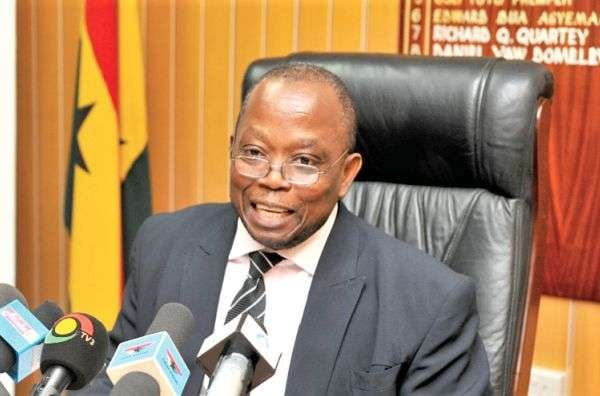
Former Auditor General Daniel Yao Domelevo recently delivered a keynote address at a public forum addressing the pressing issue of illicit financial flows in Ghana. Despite acknowledging the numerous challenges the country is facing, he expressed a profound optimism about Ghana’s potential for transformation. Domelevo firmly believes that Ghana has not reached any point of no return in its development journey. He urged citizens to stop merely enjoying the country’s potential and instead focus on translating that potential into tangible realities. This call for action is underscored by the notion that harnessing the nation’s resources and strengths is essential for achieving substantive progress.
Central to Domelevo’s message was the critical role of leadership in shaping Ghana’s future. He articulated a compelling argument that the quality of leadership is pivotal for the nation’s transformation. His perspective resonates particularly strongly as Ghanaians prepare for an upcoming electoral event. He urged the electorate to carefully consider their choices at the polls, emphasizing the importance of selecting a leader who embodies the qualities necessary to drive meaningful change. Domelevo believes that the right kind of leadership can pivot Ghana towards a more prosperous and equitable future, where the nation’s potential can finally be realized.
To convey his vision of ideal leadership, Domelevo introduced an acronym, “FATHER,” to define the characteristics that a leader should embody. Each letter in the acronym stands for a quality he deems essential: Fair, Accountable, Trustworthy, Honest, Equitable, and Respectful. He stressed that a fair leader can make unbiased decisions that benefit the whole population, while accountability ensures that leaders are answerable to the citizens they serve. In a political environment often marred by corruption and irresponsibility, these attributes become even more critical in regaining public trust and fostering good governance.
Furthermore, Domelevo highlighted the importance of honesty in leadership, urging leaders to maintain transparency in their communications and actions. Honesty lays the foundation for trust between leaders and citizens, which is indispensable for effective governance. He also emphasized equity, advocating for a leadership approach that prioritizes the fair distribution of resources and opportunities among all citizens, irrespective of their backgrounds. This equitable approach is integral to fostering social cohesion and ensuring that no group is left behind in the pursuit of national development.
Domelevo’s call for respectful leadership underscores the necessity of fostering an inclusive political culture where all voices are heard and valued. He believes that a respectful leader encourages dialogue and collaboration, helping to unify the nation rather than create divisions. This idea is especially pertinent in a time when political polarization can undermine collective efforts toward development. By promoting respect within the political discourse, leaders can build a culture of cooperation that is essential for implementing transformative policies and initiatives.
In conclusion, Daniel Yao Domelevo’s address serves as a clarion call for Ghanaians to reflect on the qualities they seek in their leaders, particularly as they approach upcoming elections. His emphasis on a leadership characterized by fairness, accountability, trustworthiness, honesty, equity, and respect illustrates a roadmap for navigating the complexities of governance in Ghana. As the nation stands at a critical juncture, the choices made by its citizens, influenced by Domelevo’s vision, will significantly impact its path forward. By prioritizing the selection of leaders who embody these qualities, Ghana may have a renewed opportunity to unlock its potential and steer toward a brighter future.








