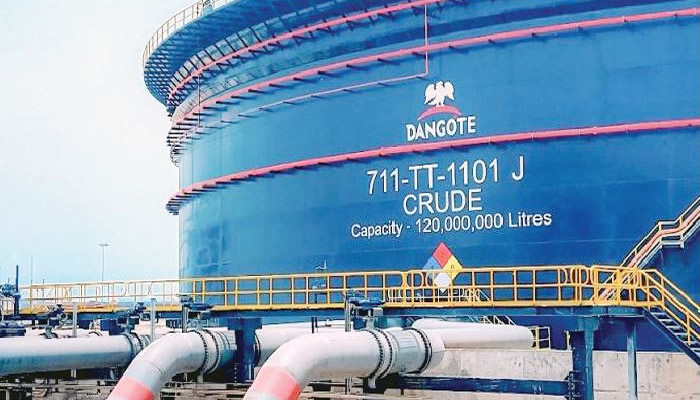
Ghana is advocating for the establishment of a harmonised currency among the Economic Community of West African States (ECOWAS) to facilitate fuel purchases from the Dangote Petroleum Refinery and other business activities. Mustapha Abdul-Hamid, the Chairman of the National Petroleum Authority in Ghana, made this statement during the OTL Africa Downstream Energy Week held in Lagos. He pointed out that the current dependency on the US dollar by African nations causes significant pressure on their local currencies, resulting in a depreciation of their value. This situation is compounded by the need for both Ghana and Nigeria to use dollars for fuel transactions, which he argued is not an economically sound model.
Abdul-Hamid highlighted the importance of collaboration among member states despite their differing political interests. He emphasized that under the ECOWAS framework, it is essential to unify their interests into a cohesive agenda that enables member nations to benefit from each other’s markets. With the introduction of the Africa Continental Free Trade Agreement, there are opportunities for improved trade among African countries. However, the continued necessity of dealing in dollars for petroleum products restricts this potential. He provided a scenario in which if fuel shortages occur in Nigeria, the country would need to import from Ghana, necessitating dollar transactions, further complicating the economic landscape.
The current economic pressure faced by local currencies stems from the demand for dollars to import petroleum products, which ultimately drives up prices. Abdul-Hamid observed that in Nigeria’s deregulated petroleum framework, the increasing commodity prices would largely correlate with the value of the naira, as importers require more dollars to take home the needed petroleum products. He indicated that Ghana itself requires approximately $400 million monthly for petroleum imports and speculated on the greater demand Nigeria faces, questioning the sourcing of these dollars for its importers and recognizing the downward pressure this creates on the naira.
Abdul-Hamid called for a more profound cooperation that transcends the coordination among petroleum authorities, advocating for serious intergovernmental alliances aimed at harmonizing petroleum infrastructure, along with fiscal and economic regimes. He identified that Ghana would like to import fuel from Dangote’s refinery once its production capacity reaches an impressive 650,000 barrels per day, as it is anticipated that not all of this capacity may be consumed by Nigeria, presenting an opportunity for trade. He indicated that this alternative would be more efficient compared to the existing practice of importing refined petroleum from distant locations, such as Rotterdam.
To address fuel smuggling concerns from Nigeria into Ghana, Abdul-Hamid announced that the country has implemented measures aimed at curbing this illegal trade. He urged the Nigerian Midstream and Downstream Petroleum Regulatory Authority to establish a dedicated security unit to monitor and manage these activities effectively. His emphasis on this issue reflects the broader need for regulatory frameworks that can sustain free trade while ensuring compliance and safeguarding domestic economies.
Lastly, Aliko Dangote, the President of the Dangote refinery, also urged local marketers to utilize regional sources for their petrol needs rather than seeking imports from international suppliers. He mentioned that the company has around 500 million liters of petrol available in storage while quoting a scenario where local players, such as the Nigerian National Petroleum Company Limited, are exploring options outside the country for their gasoline supply. This points to a strategic push for local businesses to capitalize on domestic production, which could alleviate some of the economic strains experienced due to currency fluctuations and reliance on foreign imports. Both Abdul-Hamid and Dangote’s perspectives portray a growing optimism around regional collaboration and the potential that comes with leveraging local resources more effectively within the ECOWAS framework.