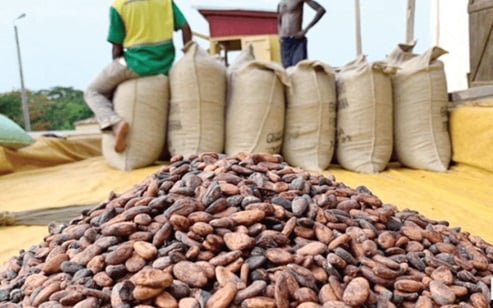
The global cocoa market is experiencing a period of unprecedented price volatility, driven by a confluence of factors primarily centered around supply constraints. Cocoa prices have surged to record highs, exceeding $11,900 per tonne, representing a near tripling of costs compared to the previous year. This price escalation is largely attributed to adverse weather conditions in West Africa, a region responsible for a significant portion of global cocoa production. Specifically, Ghana and Ivory Coast, two of the world’s largest cocoa producers, have experienced heavy rains and intensified Harmattan winds, both of which have negatively impacted cocoa yields. These weather-related challenges have exacerbated an already strained global supply chain, resulting in critically low stockpiles and a supply deficit entering its third consecutive year. The resulting market instability is posing significant challenges for all stakeholders in the cocoa industry, from farmers to chocolate manufacturers and consumers.
The implications of these soaring cocoa prices are particularly pronounced in Ghana, a nation heavily reliant on cocoa production for its economic well-being. The increased cost of raw cocoa has translated into a sharp spike in domestic chocolate prices, making this once-affordable treat inaccessible to many Ghanaians. Beyond the immediate impact on consumers, the Ghanaian cocoa sector is grappling with a multitude of systemic challenges. These include pre-existing inefficiencies in the supply chain, the persistent threat of crop diseases, and the detrimental effects of illegal mining activities, all of which further undermine cocoa production and contribute to the country’s economic woes. Looking ahead, analysts predict these challenges will persist into 2025, painting a bleak picture for the near future of Ghana’s cocoa industry.
Adding to the complexity of the situation, cocoa processing companies within Ghana are also facing significant headwinds. Many of these companies experienced numerous shutdowns throughout 2024, struggling to secure sufficient cocoa beans for production amidst the supply shortages. Furthermore, the elevated cost of raw cocoa powder has placed domestic processors at a competitive disadvantage against foreign brands, further hindering their ability to operate profitably. This combination of factors has created a precarious situation for Ghana’s cocoa processing sector, with little relief in sight as the supply challenges continue to escalate.
Ironically, while rising global cocoa prices should theoretically benefit cocoa-producing nations like Ghana, many farmers are failing to capitalize on this price surge. A complex interplay of factors contributes to this unfortunate reality. High production costs, coupled with limited access to financing, erode potential profit margins. Inefficiencies within the supply chain further diminish returns for farmers, preventing them from reaping the rewards of the global price increases. This disconnect between global market prices and farmer income highlights the structural challenges within the Ghanaian cocoa sector, emphasizing the need for comprehensive reforms to ensure equitable distribution of benefits.
The financial struggles extend beyond individual farmers to the Ghana Cocoa Board (COCOBOD), the regulatory body overseeing the cocoa industry. COCOBOD has been grappling with substantial financial losses, further limiting the potential economic gains from the global price surge. This situation underscores the broader systemic issues plaguing the Ghanaian cocoa sector and raises concerns about the long-term sustainability of the industry without significant intervention. With a new government poised to take office in January 2025, there is mounting pressure to address these challenges and implement effective solutions.
The incoming administration faces the daunting task of revitalizing a struggling sector. A key area of focus will likely be the performance of COCOBOD, with potential reforms aimed at improving efficiency and profitability. One proposed strategy involves placing COCOBOD back under the oversight of the Ministry of Finance, a move intended to enhance financial accountability and streamline operations. Simultaneously, there is a growing recognition of the need to boost cocoa production to capitalize on the favorable global market conditions. This requires addressing the root causes of declining yields, including investing in sustainable farming practices, combating crop diseases, and tackling the issue of illegal mining, which encroaches on valuable agricultural land. While the long-term global demand for cocoa is projected to grow, Ghana’s ability to benefit from this trend hinges on implementing comprehensive reforms and addressing the deep-seated challenges within its cocoa sector. The success of these reforms will determine whether Ghanaian cocoa farmers and processors can finally reap the rewards of rising global cocoa prices.