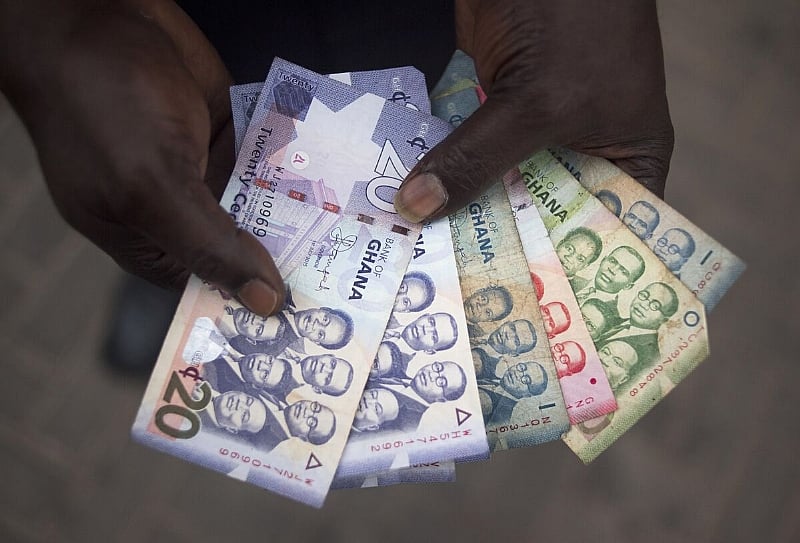
The Ghanaian Cedi exhibited a positive trend against the United States dollar on Saturday, December 21, 2024, appreciating in both buying and selling rates. Cedirates.com, a reliable source for currency information in Ghana, reported a buying rate of GHS14.71 and a selling rate of GHS15.15 against the US dollar as of 10:00 am. This represents a 1 pesewa increase in the buying rate and a 5 pesewa increase in the selling rate compared to the preceding Friday. This slight but positive fluctuation suggests a strengthening of the Cedi against the dollar, potentially indicating improved market confidence or other favorable economic factors influencing the exchange rate.
The interbank rates, reflecting transactions between banks, further corroborated the Cedi’s strengthening position. The interbank buying rate for the US dollar stood at GHS14.69, while the selling rate was slightly higher at GHS14.71. This minimal difference between the interbank and Cedirates.com rates suggests a relatively stable and transparent currency market. The data indicates a competitive landscape in the forex market, benefiting consumers with tighter spreads between buying and selling rates. This relative stability can be attributed to various factors, including government policies, market forces, and overall economic performance.
Against other major international currencies, the Cedi also held its ground. The British Pound Sterling averaged a buying rate of GHS18.14 and a selling rate of GHS18.99, while the Euro traded at GHS15.30 for buying and GHS15.78 for selling. These rates highlight the relative strength of the Pound and Euro against the Cedi, reflecting the economic dynamics and relative values of these currencies in the global market. The interbank market echoed similar rates, with the Bank of Ghana listing the selling price of the Pound at GHS18.45 and the Euro at GHS15.29. These figures are consistent with the overall market trend and reinforce the accuracy of the reported data.
Remittance services like LemFi and Afriex provided competitive rates for money transfers to Ghana from the US and UK. Both platforms offered a rate of GHS14.65 to GHS14.70 per dollar sent from these countries, presenting a slight advantage compared to traditional banking channels. For British Pound transfers, LemFi and Afriex offered respective buying and selling rates of GHS18.38 and GHS15.27. These competitive rates are indicative of the growing fintech landscape and its impact on traditional money transfer methods, ultimately benefiting consumers with more options and potentially lower transaction costs.
Euro transfers also saw competitive pricing from these remittance platforms. Afriex offered a selling rate of GHS15.31 per Euro, while Lemfi provided a slightly more favorable rate of GHS15.21. This minor difference underscores the competitive nature of the remittance market and highlights the importance of comparing rates before conducting international money transfers. The availability of these digital platforms provides convenient and often cost-effective alternatives to traditional banking channels for sending money to Ghana.
For online subscriptions to services like Netflix, Spotify, and Apple Music, payments processed through Visa and Mastercard incurred a rate of GHS15.78 per US dollar. This slightly higher rate compared to the general market rate can be attributed to processing fees and other charges associated with international transactions. Understanding these varying exchange rates across different platforms and services is crucial for consumers to manage their finances effectively and make informed decisions about international transactions. This information empowers consumers to choose the most cost-efficient methods for their specific needs, whether it’s sending money abroad or subscribing to international online services.