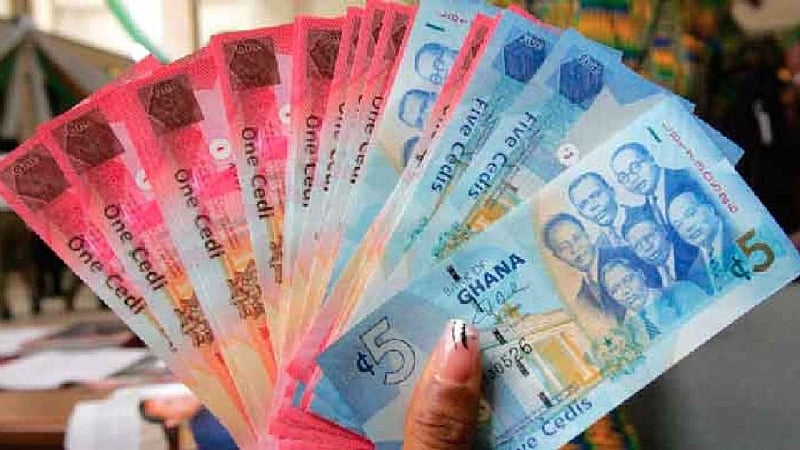
The Ghanaian Cedi continued its positive trajectory against the United States dollar, appreciating by 4 pesewas in both buying and selling rates as of Friday, December 13, 2024. This upward movement signifies a strengthening of the Cedi, making imports from the US nominally cheaper and potentially impacting inflation positively. According to Cedirates.com, a reliable source for currency information in Ghana, the Cedi’s buying rate stood at GHS14.71, while the selling rate reached GHS15.28. This data reflects the rates offered by various forex bureaus and commercial banks across the country. The consistent appreciation suggests a positive market sentiment towards the Cedi, possibly driven by factors such as increased foreign investment, improved export performance, or effective monetary policies.
The interbank market, where banks trade currencies among themselves, presented a slightly different picture. The Cedi traded at GHS14.72 for buying and GHS14.74 for selling against the US dollar. This marginal difference between the interbank and retail rates is typical and reflects the banks’ operational costs and profit margins. The interbank rate often serves as a benchmark for other currency transactions and provides insights into the overall health of the foreign exchange market. The consistent performance across both retail and interbank markets reinforces the Cedi’s strengthening position.
Beyond the US dollar, the Cedi also performed favorably against other major currencies. The British Pound Sterling’s buying rate averaged GHS18.34, while the selling rate reached GHS19.32. Similarly, the Euro’s buying rate stood at GHS15.27, and the selling rate reached GHS16.02. These rates indicate the relative strength of the Cedi against these currencies and reflect the dynamics of the international currency market. The Bank of Ghana’s interbank market listed the Pound Sterling’s selling price at GHS18.74 and the Euro’s at GHS15.49, further corroborating the general trend observed in the retail market.
Remittance services, a vital part of Ghana’s economy, offered competitive rates for money transfers from the US and the UK. LemFi and Afriex, two prominent players in this space, provided attractive rates for Ghanaians receiving funds from abroad. Both platforms offered a rate of approximately GHS14.60 to GHS14.70 per dollar sent from the US, undercutting the prevailing market rates and offering a cost-effective solution for recipients. For transfers from the UK, the rates for the British Pound varied slightly, with buying rates around GHS18.58 and selling rates around GHS15.27. This competition benefits Ghanaians abroad and their families back home by maximizing the value of their remittances.
The Euro exchange rates offered by these remittance platforms also remained competitive. Afriex offered a selling rate of GHS15.31 per Euro, while LemFi offered GHS15.34. These rates are closely aligned with the broader market trends and provide an alternative for those sending money from the Eurozone. The presence of multiple remittance services offering competitive rates fosters a healthy environment for money transfers and ensures that Ghanaians have access to efficient and affordable options.
For those looking to renew subscriptions to international services like Netflix, Spotify, or Apple Music, Visa and Mastercard offered a consistent rate of GHS15.73 per US dollar. This rate, slightly higher than the prevailing market rate, reflects the transaction fees and other charges associated with international card payments. While slightly more expensive than direct currency exchange, using credit or debit cards offers convenience and security for online transactions. The consistent rate across both Visa and Mastercard ensures predictability for consumers and simplifies budgeting for these recurring expenses.