





The Resurgence of Mpox in Ghana: A Comprehensive Overview
Ghana is currently grappling with a resurgence of Mpox, formerly known as monkeypox, a viral zoonotic disease that presents with symptoms similar to smallpox, albeit typically milder. The Ghana Health Service (GHS) recently confirmed 34 new cases, raising the national tally to 79 confirmed infections. This upsurge has understandably sparked public concern, though health authorities maintain that the situation remains under control. Four individuals are currently receiving hospital treatment and are under close medical supervision. The GHS has intensified contact tracing efforts to curb further transmission and prevent a wider outbreak. While the situation calls for vigilance, it is crucial to avoid panic and focus on understanding the disease, its transmission, and the preventive measures that can be adopted to mitigate its spread.
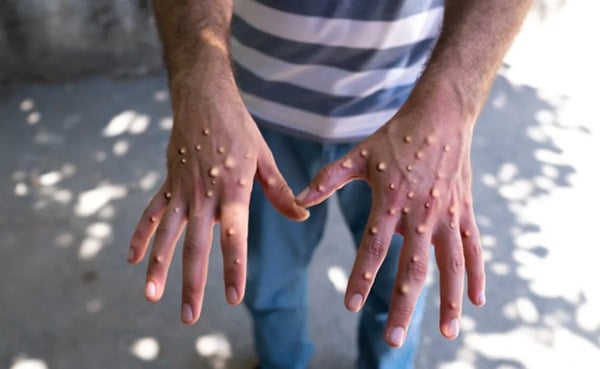
Mpox is a self-limiting illness, meaning it typically resolves on its own without specific treatment in most cases. The incubation period, the time between exposure to the virus and the onset of symptoms, can range from 5 to 21 days. Initial symptoms often include fever, headache, muscle aches, back pain, swollen lymph nodes, chills, and exhaustion. These symptoms can progress to a characteristic rash that develops on the face, hands, feet, genitals, or other areas of the body. The rash evolves through various stages, from flat lesions to raised bumps, vesicles filled with clear fluid, pustules containing pus, and finally, scabs that eventually fall off. The illness typically lasts for two to four weeks. Severe cases are more common among children, pregnant women, and individuals with compromised immune systems.
Transmission of Mpox primarily occurs through direct contact with an infected person’s bodily fluids, lesions, or contaminated materials such as bedding or clothing. Respiratory droplets can also transmit the virus, particularly during prolonged close contact. While less common, transmission can occur through contact with infected animals or consumption of undercooked meat from infected animals. Pregnant women can transmit the virus to their fetuses through the placenta. Identifying and isolating infected individuals, along with meticulous contact tracing, are crucial steps in containing the spread of the disease.
The GHS has stressed the importance of preventive measures in curbing the transmission of Mpox. Practicing good personal hygiene, including frequent handwashing with soap and water or using alcohol-based hand sanitizers, is paramount. Avoiding close contact with individuals exhibiting symptoms of the disease, particularly those with unexplained rashes, is essential. It is crucial to refrain from sharing personal items like bedding, towels, and clothing with potentially infected individuals. If any symptoms suggestive of Mpox develop, it is imperative to promptly seek medical attention for appropriate diagnosis and management.
While there is no specific treatment for Mpox, supportive care plays a vital role in managing the symptoms and preventing complications. This may involve pain management, fever reduction, and adequate hydration. Antiviral medications may be considered in severe cases or for individuals at high risk of developing complications. Vaccination against smallpox has been shown to provide some cross-protection against Mpox, and may be considered in certain circumstances. Public health education campaigns are crucial in raising awareness about the disease, its transmission, and preventive measures.
The current Mpox situation in Ghana necessitates a collaborative approach involving government agencies, healthcare professionals, and the public. The GHS continues to strengthen its surveillance system, enhance laboratory diagnostic capacity, and scale up contact tracing efforts. Public awareness campaigns are being intensified to educate the population about the disease and promote preventive behaviors. Collaboration with international partners is also crucial to bolstering response efforts and sharing best practices. While the resurgence of Mpox is concerning, the proactive measures being implemented by the GHS, combined with public adherence to preventive guidelines, offer hope for containing the spread of the virus and protecting public health. Continued vigilance and collaborative efforts are essential to effectively address this evolving public health challenge.








