









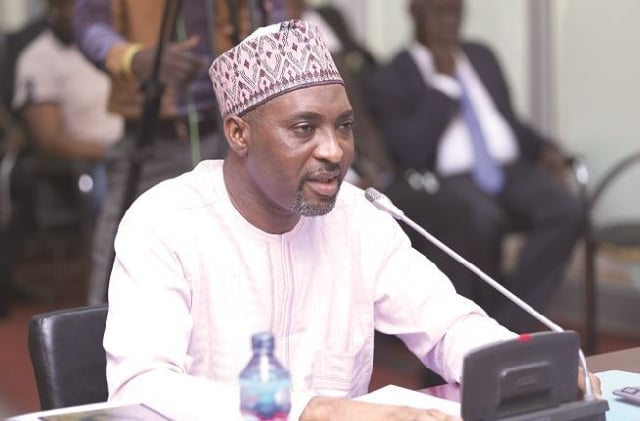
Ghana’s Minister for Interior, Muntaka Mohammed, has unveiled a comprehensive strategy to overhaul the nation’s security apparatus, aiming to elevate professionalism and efficacy within its security agencies. This ambitious reform agenda, announced during a visit to the Police Headquarters, signifies the government’s unwavering dedication to fortifying national security. The Minister underscored the plan’s emphasis on equipping all security agencies with the necessary resources, enabling them to execute their duties effectively. The discussions held with Inspector-General of Police (IGP), Dr. George Akuffo Dampare, centered on bolstering law enforcement capabilities, reflecting a commitment to a collaborative approach in implementing these crucial reforms.
The planned reforms represent a significant undertaking, signifying a paradigm shift in Ghana’s approach to national security. This comprehensive review of the national security architecture aims to identify existing deficiencies and implement targeted solutions to enhance the operational effectiveness of all security agencies. By prioritizing professionalism within the security sector, the government seeks to ensure accountability, transparency, and ethical conduct, fostering public trust and confidence in the nation’s protective services. The modernization initiatives will encompass a broad range of areas, including training, technology, infrastructure, and operational strategies, equipping security personnel with the tools and skills necessary to address evolving security challenges.
Resource allocation will play a crucial role in the successful implementation of the reforms. The commitment to providing adequate resources demonstrates the government’s recognition that effective security requires investment. This investment will likely include not only financial resources but also human capital development, modern equipment, and improved infrastructure. By equipping security agencies with the necessary resources, the government aims to empower them to respond effectively to threats, maintain public order, and safeguard the well-being of all citizens. This resource allocation will be strategically directed to address specific needs within each security agency, ensuring optimal utilization and maximizing impact.
Collaboration and coordination between security agencies will be another key aspect of the reforms. The Minister’s meeting with the IGP highlights the importance of inter-agency cooperation and communication. A unified approach to national security will enhance efficiency and effectiveness, allowing for a more seamless and coordinated response to security threats. Breaking down silos between agencies and fostering a culture of collaboration will enable the sharing of information, resources, and expertise, creating a more robust and responsive security network. This integrated approach will also facilitate joint operations and training exercises, further strengthening the collective capabilities of the nation’s security forces.
The modernization initiatives will likely encompass cutting-edge technology and training programs to equip security personnel with the skills necessary to address contemporary security challenges. This may include investments in advanced surveillance systems, communication technology, forensic capabilities, and cybersecurity infrastructure. Training programs will focus on enhancing professional skills, promoting ethical conduct, and fostering a culture of respect for human rights. By embracing modern technology and implementing rigorous training protocols, the government aims to transform Ghana’s security agencies into highly skilled, technologically advanced, and ethically accountable forces.
The government’s commitment to reforming the national security architecture underscores its dedication to safeguarding the well-being of all Ghanaians. By prioritizing professionalism, resource allocation, inter-agency collaboration, and modernization, the government aims to create a more robust, efficient, and responsive security apparatus. These reforms will not only enhance national security but also contribute to creating a safer and more stable environment for economic development and social progress. The successful implementation of these reforms will require sustained commitment, effective oversight, and ongoing evaluation to ensure that the intended objectives are achieved and that Ghana’s security agencies are well-equipped to meet the challenges of the 21st century. This comprehensive approach to security reform demonstrates the government’s proactive stance in addressing the evolving security landscape and its unwavering dedication to protecting the lives and well-being of all citizens.









