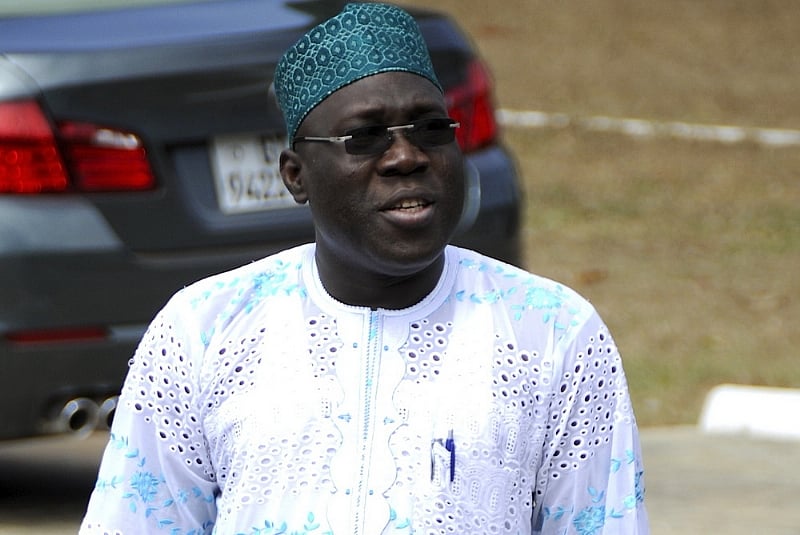
The former Member of Parliament (MP) for Tamale Central, Inusah Fuseini, has expressed profound apprehension regarding the Electoral Commission’s (EC) management of the upcoming 2024 general elections, characterizing their performance as deeply incompetent and potentially jeopardizing the nation’s stability. Mr. Fuseini, a seasoned legal practitioner, voiced his concerns on Joy News’ Newsfile program, emphasizing that Ghana’s prevailing peace is largely attributable to the inherent peace-loving nature of its citizens and divine intervention, rather than the EC’s competence. He warned that the EC’s actions could have ignited unrest and chaos in a less tolerant society, underscoring the precarious balance upon which Ghana’s stability rests.
Mr. Fuseini’s critique stems from what he perceives as a series of missteps and questionable decisions by the EC, culminating in an environment of distrust and heightened political tension. He argues that the EC’s conduct has been far from the impartial and efficient management expected of an institution responsible for safeguarding the democratic process. Instead, he alleges, their actions have sown seeds of doubt, potentially undermining the credibility of the 2024 elections and putting the nation’s hard-won democratic gains at risk. The former MP believes that the EC’s actions have created an atmosphere of uncertainty and suspicion, which, if left unchecked, could escalate into widespread unrest and violence.
Central to Mr. Fuseini’s concerns is the EC’s handling of electoral disputes in seven constituencies. He contends that the commission’s approach to these disputes has been flawed and potentially inflammatory, exacerbating tensions and raising questions about their commitment to fair and transparent resolution processes. He highlights these specific instances as illustrative of a broader pattern of incompetence and bias, arguing that the EC’s actions have eroded public trust and created fertile ground for conflict. He further warns that the potential consequences of the EC’s mismanagement in these constituencies could extend far beyond local disputes, potentially destabilizing the entire electoral process and threatening the nation’s peace.
Adding further fuel to the fire, Mr. Fuseini leveled serious accusations of bias against the EC Deputy Chair, Dr. Bossman Asare. He recounted an alleged incident where Dr. Asare purportedly stated that the Electoral Commission could not allow the National Democratic Congress (NDC) to win the elections. This alleged statement, according to Mr. Fuseini, was relayed to him by a concerned individual who witnessed the conversation. Such an allegation, if substantiated, would represent a significant breach of impartiality and raise serious concerns about the integrity of the electoral process. The accusation underscores the deep-seated mistrust that has developed between the opposition and the EC, further complicating the already tense political landscape.
The implications of Mr. Fuseini’s accusations are far-reaching and have the potential to significantly impact the credibility and legitimacy of the 2024 elections. His concerns, coupled with the alleged bias of a senior EC official, paint a troubling picture of an electoral process teetering on the brink of chaos. The allegations raise fundamental questions about the impartiality of the EC and its ability to conduct free and fair elections. This perceived lack of neutrality, combined with the contentious handling of electoral disputes, creates a climate of uncertainty and distrust, which could potentially lead to pre- and post-election violence.
The situation demands urgent attention and a commitment to restoring public trust in the electoral process. A thorough and impartial investigation into the allegations against Dr. Bossman Asare is crucial to ensuring accountability and restoring confidence in the EC’s neutrality. Furthermore, the EC must demonstrate a commitment to transparency and fairness in its handling of all electoral matters, including the resolution of disputes. Failure to address these concerns effectively could have dire consequences for Ghana’s democratic stability and the peaceful transfer of power in 2024. The future of Ghana’s democracy hinges on the ability of the EC to regain public trust and conduct credible elections that reflect the will of the people.