





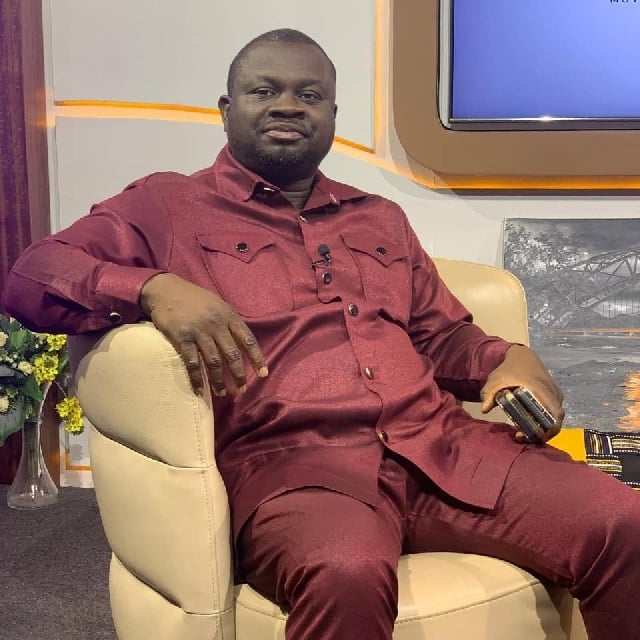
The cacophony surrounding Ahmed Suale’s murder continues to echo through Ghana’s media landscape, drawing critical attention to the grave inadequacies in the handling of the case by the Ghana Police Service. During a recent appearance on the show “Masters of the Game,” hosted by Kwesi Kyei Darkwah on CTV, Mr. Albert Kwabena Dwumfour, President of the Ghana Journalists Association (GJA), voiced his profound dissatisfaction with the ongoing investigation. Since the tragic death of Suale in January 2019, questions surrounding the integrity and efficacy of the police investigation have only intensified, with many, including Mr. Dwumfour, alleging that the authorities have been complicit in the slow progression toward justice. His strong statements reflect a broader sentiment within the media community, which feels overshadowed by the lack of urgency from law enforcement to resolve this high-profile murder case.
At the heart of Mr. Dwumfour’s critique is the apparent inadequacy of the case docket submitted by the police Criminal Investigation Department (CID) to the Attorney-General’s Department. The outcome of this submission has been far from promising; the Minister for Justice and Attorney-General, Godfred Yeboah Dame, rejected the docket, labeling it as “not fit for purpose.” This assertion underscores significant lapses in the investigative process, which has left the victim’s family, the media, and the public frustrated and searching for accountability. The GJA President emphasized that the police’s failure to produce a prosecutable case demonstrates a blatant disregard for the ideals of justice that are paramount not only in safeguarding citizens but also in upholding the dignity of journalism as a public service.
Mr. Dwumfour’s concerns extend beyond the police’s handling of the case to encompass the role of the media itself. He expressed surprise and disappointment at how the press, which should champion the cause of their fallen colleague, seems more engrossed in electoral politics than in advocating for justice. He believes that the media’s negligence in amplifying the plight of Suale’s case undermines the essential duty of journalists to protect one another and promote press freedom. This revelation highlights an alarming trend where urgent issues, particularly those affecting the safety and rights of journalists, are overshadowed by the transient nature of political narratives relevant to the electoral landscape.
Moreover, Mr. Dwumfour hinted at troubling possibilities regarding police complicity in the case, suggesting that clues from the investigation may indicate deeper issues within the police force. This insinuation starkly contrasts with the expected impartiality and diligence of law enforcement agencies. Such concerns call for renewed scrutiny not only of the investigative protocols followed by the police but also of the general atmosphere of protection and support essential for journalists working in potentially dangerous situations. The implications of these assertions are profound, emphasizing the need to re-evaluate the dynamics between the police, the media, and the public in securing a justice system that serves all equally.
The case of Ahmed Suale raises potent questions about the reality of press freedom in Ghana and the extent to which journalists’ rights are truly protected. For the GJA, this is more than a singular case of murder; it symbolizes a crisis in freedom of expression and the safety of journalists. Mr. Dwumfour urged both the police and the media to collaborate more effectively, pushing for justice not as a favor but as a fundamental right. The call to action emphasizes the necessity for systematic changes within investigative units and for the media to reclaim its role as the fourth estate of democracy, diligently advocating for those who have paid the ultimate price for their commitment to truth.
In conclusion, while the murder of Ahmed Suale is a tragic reminder of the perils faced by journalists in Ghana, it also serves as a critical juncture for the media fraternity and law enforcement alike to reflect on their responsibilities toward justice and accountability. The sentiments expressed by Mr. Dwumfour resonate with a collective urge for reform, ensuring that such heinous acts do not go unpunished in the future. The GJA stands at the forefront of this advocacy, pushing to not only secure justice for Suale but to foster an environment where all journalists can work safely and freely, without fear of retribution.








