





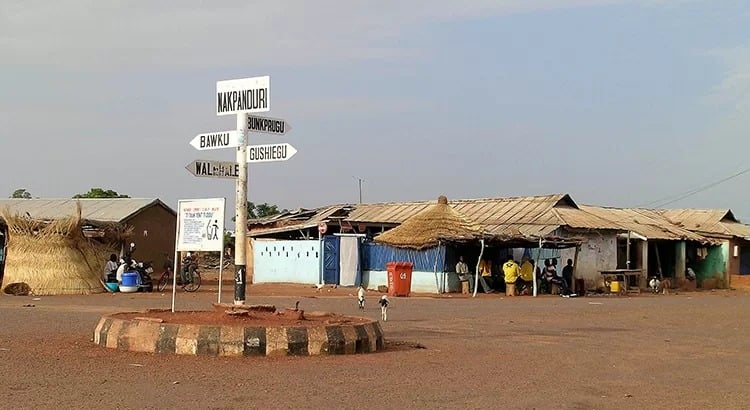
In response to escalating violence in the Bawku region of Ghana, the government has instituted a curfew aimed at restoring safety and stability. This decision, effective from 6:00 PM to 6:00 AM daily, was enacted following an emergency National Security meeting held on October 28, 2023. The current unrest has been linked to the controversial presence of Mr. Seidu Abagre, who was illegally enskinned as Bawku Naba in February 2023. This development reflects a broader context of ethnic and chieftaincy disputes that have long plagued the region, resulting in periodic violence and insecurity.
The curfew is instituted under the Public Order Act of 1994 and is intended to mitigate the ongoing threats to public safety. A press statement from Hon. Naana Eyiah, the Deputy Minister for the Interior, confirms that national security assessments indicate Mr. Abagre’s continued presence in Bawku significantly endangers the lives of its residents. As such, the government sees this measure as a necessary action to prevent further escalation of violence and to protect the inhabitants of Bawku.
Enforcement of the curfew will be the responsibility of security forces, who are mandated to maintain law and order in the area. The government has emphasized the importance of compliance among residents, urging them to cooperate fully with security personnel. The curfew aims not only to limit movements during critical hours but also to allow security forces to conduct their operations unimpeded by civilian activities, thereby deterring potential disturbances.
Violators of the curfew will face stringent legal consequences, underscoring the government’s zero-tolerance approach to lawlessness in Bawku. This strong stance reflects the broader commitment of the government to uphold the rule of law and protect citizens amidst rising tensions. The curfew is seen as just one part of a multifaceted approach to handling the unrest, which may include dialogue, conflict resolution efforts, and community engagement to address the underlying issues contributing to the violence.
Tensions in Bawku remain palpable, driven by historical grievances and the struggle for chieftaincy control. The recent clashes have highlighted the fragility of peace in the region and the potential for conflict to reignite with little provocation. As the government introduces emergency measures, it also seeks to reassure residents that their safety is paramount. The burgeoning instability raises critical questions about governance and the need for lasting solutions to chieftaincy disputes and ethnic tensions.
In summation, the curfew in Bawku represents a critical and immediate response to ongoing violence linked to contested leadership and community tensions. The government’s decision reflects a larger commitment to restore peace while calling for cooperation from residents to support security efforts. As the situation unfolds, the effectiveness of these measures will depend on local compliance and the government’s ability to address the root causes of conflict in the region.








