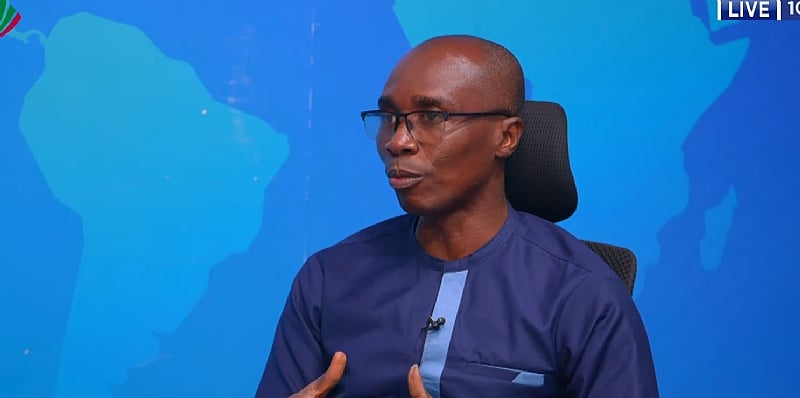
Professor Patrick Asuming, an esteemed economist from the University of Ghana Business School, recently evaluated the country’s International Monetary Fund (IMF) program, commending the government for its implementation thus far. His assessment highlighted improvements in macroeconomic indicators since 2022; however, he pointed out that these indicators still fall short of pre-2022 levels. A more distressing trend emerged from micro-level data, which revealed a deterioration in economic conditions characterized by worsening food insecurity and an increase in multidimensional poverty. Asuming critiqued the IMF program, asserting that its design fails to tackle critical long-term economic challenges such as overreliance on foreign financing and imports and the inherent weaknesses in domestic production capacity. He delivered this analysis during a panel discussion on the interconnected challenges of public debt and climate crisis in Ghana.
The discussion, facilitated by Caritas Ghana—affiliated with the Ghana Catholic Bishops’ Conference and part of the global Caritas Confederation—sought to investigate issues surrounding public debt and climate change from a perspective of economic recovery and integral ecology. The aim was to identify sustainable strategies that emphasize economic justice while ensuring environmental stewardship and accountability. This initiative plays a critical role in an ongoing advocacy campaign targeting faith-based leaders, in collaboration with Caritas Africa and Jubilee USA, in preparation for the Jubilee 2025 year. The event attracted diverse participants, including leaders from various faith communities, civil society advocates, scholars, and journalists, all focused on exploring these pressing issues.
Professor Asuming underscored the unsustainable nature of Ghana’s current debt levels, advocating for structural reforms to address the root causes of the nation’s economic challenges. He expressed concern over the ongoing changes being implemented in the country’s fiscal and monetary framework without adequate civic engagement. Asuming called for heightened citizen involvement in the reform processes to ensure that the measures being taken are effective and resonate with the needs of the populace. This plea for engagement reflects a broader recognition of the importance of participatory governance in tackling complex economic issues.
During the discussion, Mr. Neil Thorns, Director of Advocacy and Communications for the Catholic Agency for Overseas Development, presented insights on “Laudato Si, Care for Our Common Home” in conjunction with the Jubilee Year 2025. He encouraged participants to reflect on the spiritual and practical dimensions of environmental and social justice, advocating for proactive engagement and reform. Thorns’ contribution added a vital dimension to the discussion, linking deeper spiritual values with tangible actions needed to address the dual crises of debt and climate change.
In his remarks, Mr. Richard Akurugu, the Executive Director of Caritas Ghana, emphasized the urgency of addressing the intertwined challenges of public debt and climate crisis. His comments resonated deeply with the participants, framing the issues within the context of Pope Francis’ call to heed both “the cry of the earth and the cry of the poor.” This message served as a foundation for the discussion, highlighting the integral relationship between economic justice and environmental stewardship. Akurugu’s leadership foregrounded the need for concerted efforts to promote sustainable and ethical pathways for recovery.
The dialogue fostered by Caritas Ghana and supported by various stakeholders reflects a growing recognition of the need for holistic approaches to economic and environmental challenges in Ghana. By bringing together faith leaders, civil society, and economic experts, the discussion advocates for a comprehensive understanding of how public debt, environmental sustainability, and social justice intersect. It illustrates a significant step toward fostering an economic recovery that prioritizes the well-being of citizens while addressing crucial issues of climate change and financial sustainability, thereby laying the groundwork for a more equitable future.