





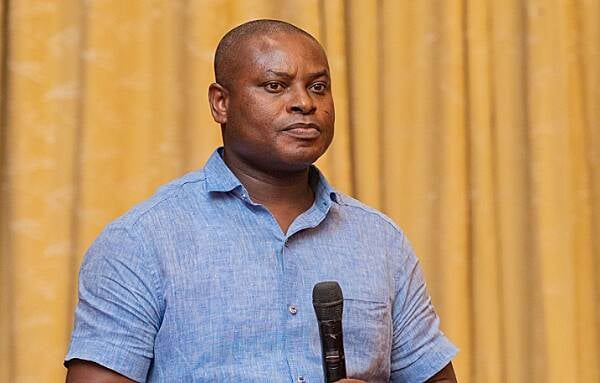
The ongoing strike by the Ghana Registered Nurses and Midwives Association (GRNMA) has triggered a strong reaction from Richard Ahiagbah, the National Communications Director of the New Patriotic Party (NPP). Ahiagbah has called for immediate government intervention to resolve the impasse, citing the detrimental impact the strike is having on healthcare services across the nation. He underscores the plight of patients caught in the crossfire, emphasizing the urgent need to alleviate their suffering. The strike, initiated last week, stems from the GRNMA’s demand for the implementation of the 2024 Collective Agreement, which addresses critical concerns such as unpaid allowances and delayed postings.
The core demands outlined in the 2024 Collective Agreement include a 13th-month salary, crucial financial support for nurses who often face economic challenges. The agreement also calls for fuel and medical allowances, recognizing the significant costs associated with transportation and healthcare access, especially given the demanding nature of their work. Rural incentive allowances are another key demand, aiming to attract and retain qualified nurses in underserved rural areas, thus promoting equitable healthcare access for all citizens. Additionally, the agreement seeks to address the renewal of practicing licenses and the provision of uniforms, essential aspects of maintaining professional standards and ensuring proper identification within healthcare facilities. These demands collectively represent the GRNMA’s efforts to secure improved working conditions and fair compensation for their vital contributions to Ghana’s healthcare system.
Ahiagbah’s criticism extends to the previous John Mahama-led administration, which he accuses of neglecting the needs of nurses while prioritizing extravagant expenditures on the Jubilee House, the seat of government. He highlights what he perceives as a stark contrast between the substantial budgetary allocation for the Jubilee House and the government’s alleged reluctance to address the nurses’ comparatively modest demands. This disparity, according to Ahiagbah, underscores a lack of appreciation for the crucial role nurses play in healthcare delivery.
The NPP spokesperson points to the substantial allocation of approximately GHS2.71 billion in compensation for the Jubilee House in the 2025 budget as evidence of misplaced priorities. He argues that this significant sum could have been utilized to address the nurses’ concerns, which he characterizes as a “small adjustment” in comparison. Ahiagbah’s critique underscores the need for a more equitable distribution of resources, prioritizing the needs of frontline healthcare workers who bear the brunt of the healthcare system’s challenges.
Ahiagbah contends that the government’s handling of the situation reflects a disregard for the invaluable contributions of nurses to the healthcare system. He emphasizes the unfairness of prioritizing extravagant expenditures while neglecting the legitimate demands of essential healthcare workers. This perceived disparity, he argues, undermines the morale and motivation of nurses who dedicate their lives to serving the health needs of the nation.
The GRNMA’s strike underscores the broader challenges facing Ghana’s healthcare system. Issues of fair compensation, adequate resources, and appropriate recognition for healthcare professionals are critical to ensuring a robust and effective healthcare delivery system. The current impasse, according to Ahiagbah, highlights the need for a comprehensive review of government priorities and a renewed commitment to investing in the human capital that forms the backbone of the healthcare sector. Addressing the nurses’ demands, he suggests, is not merely a matter of financial allocation, but a demonstration of respect and appreciation for their indispensable role in safeguarding the health and well-being of the nation. A swift resolution to the strike, therefore, is not only essential for restoring healthcare services but also for rebuilding trust and confidence in the government’s commitment to the healthcare sector.








