





A committee composed of governors and traditional rulers has been established to create key recommendations for a proposed bill aimed at forming a National Council of Traditional Rulers in Nigeria. This 15-member committee, chaired by Governor Hope Uzodimma of Imo State, is tasked with the responsibility of reviewing and adopting various recommendations that delineate specific roles for traditional rulers. The overarching goal is to leverage these leaders in enhancing peace and security at the grassroots level. Governor Dapo Abiodun of Ogun State highlighted the need for this initiative during the first dialogue between the Nigeria Governors’ Forum (NGF) and the National Council of Traditional Rulers held at the State House in Abuja.
The committee’s formation signifies a concerted effort to bridge the gap between governance and traditional authority, thus enabling traditional rulers to play a more significant role in local security matters and community policing. Abiodun explained that the committee would collect memoranda on what responsibilities could be delegated to traditional rulers, thereby allowing them to actively contribute to peace-building efforts. The importance of incorporating diverse perspectives into a comprehensive document that would be presented to the National Assembly was emphasized, with an aim to empower traditional institutions for greater involvement in governance and security across Nigeria.
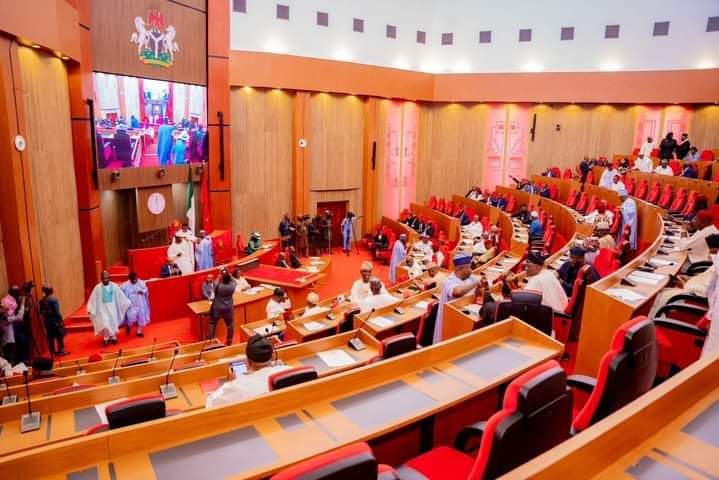
As part of this initiative, a legislative proposal titled the National Council of Traditional Rulers (Establishment) Bill, 2024 (SB. 546), is currently progressing through the Senate. Sponsored by Senator Simon Lalong of Plateau South, the bill aims to define constitutional roles for traditional institutions, thereby enhancing their capacity to address pressing national issues such as insecurity and inter-community conflicts. By establishing a formalized framework, the bill hopes to integrate these historical institutions more effectively into Nigeria’s governance system, providing them recognized authority and responsibilities.
The discussions during the meeting touched on broader topics such as national peace, food security, and emerging threats that face the country. Traditional rulers, often seen as pillars of their communities, are considered vital in addressing these challenges, given their close ties to local populations. Additionally, issues regarding state policing, local government autonomy, and the pressing issue of gender-based violence were also addressed. Abiodun commended the Sultan of Sokoto’s efforts in combating gender-based violence, advocating for similar initiatives to be adopted by other traditional leaders to enhance community welfare and safety.
The meeting also addressed significant legal implications stemming from a recent Supreme Court ruling related to local government autonomy, ensuring that traditional rulers are informed about its consequences as the implementation phase commences. The presence of notable traditional leaders such as the Sultan of Sokoto, Muhammad Sa’ad Abubakar, and the Ooni of Ife, Oba Adeyeye Ogunwusi, alongside several governors from various states, highlighted the collaborative spirit fostered during these discussions. Building a strong alliance between governors and traditional rulers exemplifies a strategic approach to governance that values local wisdom and community engagement.
In conclusion, with a deadline of four to six weeks set for the committee to synthesize their findings and submit recommendations, this initiative marks a significant step towards institutionalizing the role of traditional rulers in Nigeria’s governance framework. The success of the proposed National Council of Traditional Rulers will largely depend on the ability to articulate inclusive and actionable recommendations that empower these leaders in their quest to promote peace, security, and development across their communities, thereby creating a more stable societal framework that benefits all citizens.








