





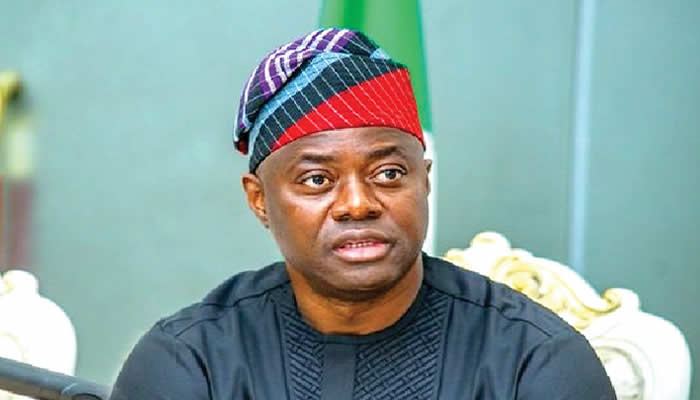
Oyo State Governor Seyi Makinde addressed several pressing issues during a media chat, clarifying his stance on President Tinubu’s tax reforms, reflecting on recent tragedies, and outlining his vision for the state’s development, particularly in education and infrastructure. He emphasized that his request, along with other governors, for the withdrawal of the tax reform bills from the National Assembly was not a rejection of the reforms themselves, but rather a call for wider consultation to ensure that all stakeholders have a voice in the process. He stressed the importance of inclusivity in such far-reaching reforms, advocating for a collaborative approach that considers the diverse perspectives and potential impacts on the nation.
Makinde explained the context of the governors’ request, highlighting the National Economic Council’s (NEC) concern about being presented with the bills for approval after they had already been submitted to the National Assembly. This procedural issue, he argued, undermined the NEC’s role in providing input on significant economic policies. He maintained that the governors believed it essential to engage in thorough consultations before the bills were finalized, allowing for adjustments and refinements based on the feedback received. This approach, he argued, would lead to more robust and effective tax reforms that benefited the entire country.
The governor also addressed the tragic incidents that occurred in Ibadan, beginning with the Bodija explosion in January 2024, which claimed five lives, injured dozens, and damaged numerous homes. He pointed to the preventable nature of these tragedies, emphasizing the need for stricter regulations and enforcement to prevent future occurrences. The Bodija explosion, attributed to improperly stored explosives used by illegal miners, underscored the risks associated with unregulated activities. The subsequent funfair tragedy, which resulted in the deaths of 35 children, further highlighted the need for improved safety measures and crowd management protocols at public events.
Makinde expressed his deep sorrow for the victims and their families, observing a moment of silence during the media chat. He assured the public that legal processes were underway, albeit acknowledging the slow pace of progress. He underscored the importance of accountability and ensuring that those responsible for the tragedies were brought to justice. He also indicated that his administration would be reviewing existing safety regulations and implementing new measures to prevent similar incidents in the future. This would include stricter oversight of public events and a crackdown on illegal activities that pose a threat to public safety.
Turning his attention to development projects, Governor Makinde addressed accusations of land grabbing related to the Circular Road project. He characterized the 32km motorway, connecting the Technical University to Badeku, as a crucial infrastructure project designed to stimulate economic growth and facilitate structured development. He argued that the criticisms were misplaced and often originated from individuals under investigation for land-related offenses. He defended the project’s necessity, explaining that the controlled access, with only two exit points, would promote organized development along the corridor, preventing haphazard growth and maximizing the economic benefits of the infrastructure investment.
Makinde underscored his commitment to long-term development initiatives, even if they entailed difficult decisions in the short term. He reaffirmed his belief in Oyo State’s potential for prosperity, stressing the need to overcome existing limitations and seize opportunities for lasting impact. He emphasized the importance of strategic investments in infrastructure, highlighting the Circular Road project as a prime example of his administration’s commitment to transformative development. He also reiterated his determination to break the cycle of poverty in the state by fostering economic growth and creating opportunities for all residents. He pledged to continue pursuing bold initiatives that would benefit the state in the long run, even if they faced initial resistance or criticism.
Finally, Governor Makinde outlined his plans for a significant overhaul of Oyo State’s education infrastructure in 2025. He emphasized his administration’s consistent commitment to exceeding the UNESCO benchmark for budgetary allocation to education, underscoring the importance of education as a driver of development. He acknowledged that despite substantial investments, much work remained to be done, estimating a need for N60 billion to fully address the sector’s challenges. While expressing satisfaction with the progress made in tertiary institutions, he signaled a focus on improving infrastructure and resources at all levels of education. This would include renovations and upgrades to existing schools, construction of new facilities, and investments in teacher training and development. He reaffirmed his dedication to providing quality education for all children in Oyo State, recognizing its crucial role in building a brighter future for the state and its people.








