





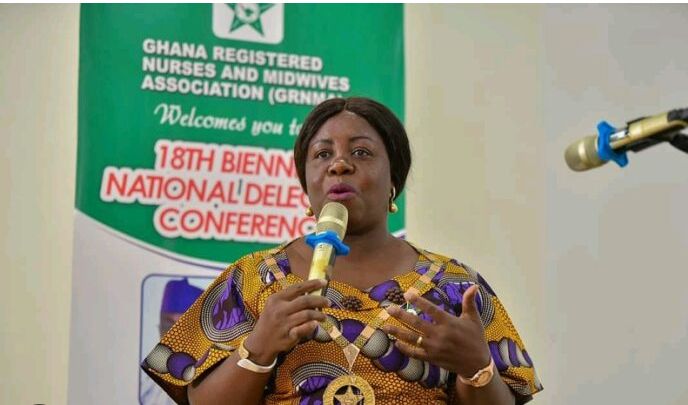
The Ghana Registered Nurses and Midwives Association (GRNMA) stands poised for a nationwide strike should the government proceed with its directive to terminate appointments of recruits hired after December 7, 2024. This directive, issued by Chief of Staff Julius Debrah, mandates all government institutions to annul appointments made after the specified date, citing deviations from established good governance practices and principles. The GRNMA argues that this directive will disproportionately impact their members, with over 5,000 nurses and midwives potentially facing dismissal, creating widespread anxiety and uncertainty within the healthcare profession. The Association’s President, Perpetual Ofori-Ampofo, has issued a stern warning, stating that any attempt to dismiss these nurses and midwives will be met with a nationwide strike, demonstrating the GRNMA’s unwavering commitment to protecting the livelihoods of its members. The brewing conflict underscores the complex interplay between government regulations, employment procedures, and the potential consequences for essential service sectors like healthcare.
The GRNMA’s threat of a nationwide strike highlights the significant disruption such action could inflict on Ghana’s healthcare system. Hospitals and clinics across the country would likely experience severe staff shortages, impacting patient care and potentially leading to critical delays in treatment. The vulnerability of the healthcare system to such disruptions underscores the importance of resolving the current impasse through dialogue and negotiation. The government’s justification for the terminations centers on alleged irregularities in the appointment process, with claims of individuals bypassing interviews and other established procedures. However, the GRNMA’s stance suggests a potential disconnect between the government’s perception of these irregularities and the reality faced by the affected nurses and midwives. This disconnect necessitates a thorough investigation to ascertain the validity of the claims and ensure fairness and due process for all parties involved.
The potential dismissal of over 5,000 nurses and midwives raises serious concerns about the long-term impact on Ghana’s healthcare workforce. The loss of such a significant number of healthcare professionals could exacerbate existing shortages, particularly in rural and underserved areas. This could further strain an already burdened healthcare system, impacting access to quality care and potentially jeopardizing public health outcomes. Moreover, the potential strike underscores the importance of investing in and supporting the healthcare workforce to ensure a stable and resilient healthcare system. Addressing the concerns of healthcare professionals, including fair hiring practices and adequate compensation, is crucial for attracting and retaining qualified personnel.
The government’s clarification, provided by Minister of Government Communications Felix Kwakye Ofosu, sheds light on the alleged irregularities in the appointment process, emphasizing instances where established procedures were bypassed. This clarification, however, does not address the core concern of the GRNMA, which focuses on the potential dismissal of a substantial number of its members. The GRNMA’s insistence on a nationwide strike if the dismissals proceed suggests a lack of trust in the government’s handling of the situation. Building trust between the government and healthcare professionals is essential for resolving the current impasse and preventing future conflicts. Open communication, transparency, and a commitment to fair and equitable treatment are crucial for fostering a positive working relationship and ensuring the stability of the healthcare sector.
This standoff between the GRNMA and the government represents a broader challenge in navigating the complexities of public sector employment. Balancing the need for adherence to established procedures with the potential impact on essential services requires careful consideration and a commitment to finding mutually acceptable solutions. A heavy-handed approach, such as mass dismissals, could have unintended consequences, including disruptions to essential services and erosion of public trust. Conversely, ignoring irregularities in hiring practices could undermine the integrity of the public sector and create an environment of unfairness. Therefore, a balanced approach that prioritizes both adherence to procedures and the well-being of public servants is essential for fostering a stable and effective public sector.
The impending strike threat underscores the urgent need for dialogue between the GRNMA and the government to avert a potential crisis in Ghana’s healthcare system. Finding a resolution that addresses both the government’s concerns regarding procedural irregularities and the GRNMA’s commitment to protecting its members’ livelihoods is paramount. This may involve a thorough investigation into the alleged irregularities, a review of the affected appointments, and a commitment to ensuring fair and transparent hiring practices in the future. Mediation by an independent body could also be beneficial in facilitating constructive dialogue and finding common ground. Ultimately, a collaborative approach that prioritizes the well-being of both healthcare professionals and the public is essential for resolving the current impasse and ensuring a stable and resilient healthcare system in Ghana.








