





The Ghana Statistical Service (GSS) is spearheading an initiative to develop a comprehensive framework for the collection of disability data aimed at enhancing service delivery for persons with disabilities across the country. This initiative is particularly urgent given the existing challenges and gaps identified in previous assessments regarding the data collection process. By integrating disability considerations into both national and sub-national data collection and analysis frameworks, the GSS is striving to ensure that the rights and needs of individuals with disabilities are recognized and addressed adequately in all spheres of governance and development planning.
The project is being executed in collaboration with the United Nations Population Fund (UNFPA) and is funded by the United Nations Partnership on the Rights of Persons with Disabilities (UNPRPD). The goal is to establish a systematic and comprehensive approach to collecting, analyzing, and utilizing data related to disability. As the framework takes shape, it aims not only to fill existing data gaps but also to facilitate better understanding and representation of the experiences and challenges faced by persons with disabilities in Ghana.
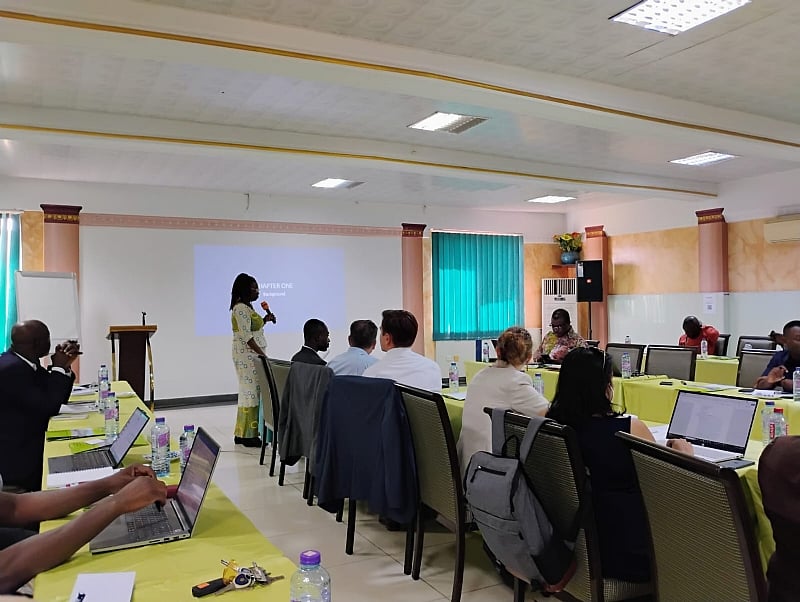
During a recent validation workshop focused on the National Disability Data Framework, Ms. Sarah Woode, the project coordinator, highlighted the critical importance of improving the methodologies used for data collection, analysis, and reporting in the context of disability. The workshop saw participation from various stakeholders, including representatives from Ministries, Departments, Agencies (MDAs), non-governmental organizations (NGOs), and organizations dedicated to advocating for the rights of persons with disabilities. This diverse participation underscored the collaborative nature of the effort to develop effective guidelines and techniques for disability data collection.
One of the key objectives discussed at the workshop was the need to harmonize disability-related data across different sectors and agencies. This harmonization is essential to create a unified understanding of the issues at hand and ensure that the needs of persons with disabilities are adequately addressed in public policy and service provision. The current fragmentation in data collection practices has often led to the marginalization of persons with disabilities, resulting in their exclusion from essential developmental resources and services.
Moreover, the GSS emphasized that the lack of reliable data on disability hampers effective development planning and the allocation of resources. Without comprehensive and accurate disability data, programmatic interventions aimed at improving the lives of persons with disabilities can be ineffective or misdirected. The implementation of the national disability framework represented a critical step toward ensuring that all citizens, particularly those with disabilities, can enjoy their rights and access quality social services.
As Ghana moves forward in developing this framework, it is poised to set a benchmark for integrating disability data collection into national statistics. By focusing on meticulous data collection and analysis, the GSS is laying the groundwork for informed decision-making that prioritizes inclusivity and equity. Ultimately, the success of this initiative will depend on the continued collaboration among various stakeholders, ensuring that the voices of persons with disabilities are integral to the national discourse on development and rights. This approach will ultimately contribute to improving their overall well-being and participation in society.








