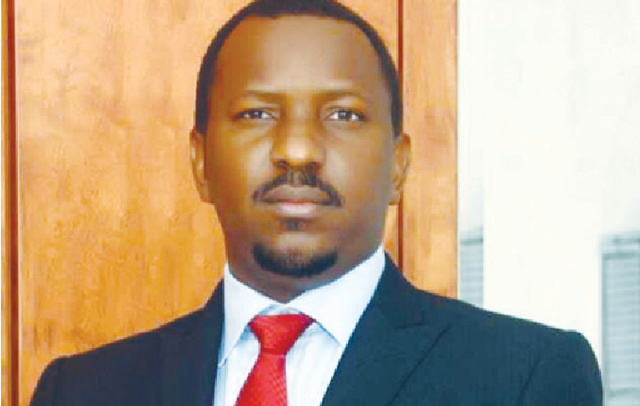
The recent appointment of Shehu Dikko as the Director-General of the National Sports Commission has been met with varied reactions from key figures in Nigerian football, notably from immediate past president of the Nigeria Football Federation (NFF), Amaju Pinnick, and his successor, Ibrahim Gusau. Both Pinnick and Gusau expressed their strong support for Dikko following the leadership change implemented by President Bola Ahmed Tinubu, which saw the Ministry of Sports Development dissolved and the revived National Sports Commission entrusted with the responsibility of advancing the country’s sports sector. Pinnick described Dikko as a trustworthy ally during their tenure at the NFF, emphasizing his dynamic vision and tireless dedication to sports development over the past three decades. He underscored Dikko’s potential to reshape Nigerian sports, particularly in preparing athletes for podium performances at the upcoming Olympics in Los Angeles.
Pinnick’s endorsement highlighted Dikko’s creativity and productivity, asserting that his past contributions were integral to the successes achieved during their collaborative efforts at the NFF. Dikko’s prior experience and knowledge were praised as essential assets that could facilitate significant advancements in Nigerian sports, including the aspiration for a vibrant sports economy contributing to the nation’s GDP. Gusau echoed these sentiments, congratulating Dikko on his new role and expressing confidence in his qualifications as a marketing expert and football administrator. He noted their close working relationship on the NFF Board and reinforced Dikko’s capacity to implement strategies and positive ideas to elevate Nigerian football further.
Conversely, criticism arose from Harrison Jalla, a former Nigeria international and an executive member of the Professional Footballers Association of Nigeria. Jalla condemned the appointment, labeling it a grave misfortune for Nigerian sports. He questioned the basis of Dikko’s selection, emphasizing a perceived disconnect between the appointment and merit, citing Dikko’s track record as the Chairman of the League Management Company (LMC). According to Jalla, under Dikko’s leadership, the Nigeria Professional Football League (NPFL) suffered significantly, culminating in a situation where federal intervention became necessary to salvage the league. His commentary indicates a broader discontent regarding the state of sports administration in Nigeria and highlights the challenges that the new Director-General may face.
Furthermore, Jalla pointed to allegations surrounding Dikko, asserting that concerns related to corruption and misappropriation could undermine the integrity of his leadership. He argued that Dikko’s history and legal troubles raise serious questions about his capability to lead the National Sports Commission effectively and transparently. His remarks suggest a lack of faith in the existing political motivations behind appointments in the sports sector, echoing sentiments that the trajectory of sports administration may not align with the expectations set forth by the new administration. Jalla called upon President Tinubu to reevaluate Dikko’s appointment to avert what he categorized as a potential disaster for the future of Nigerian sports governance.
The contrasting views on Dikko’s appointment reveal a significant divide within the sports community, with some expressing hope for innovation and progress while others voice substantial skepticism based on past performance and ongoing controversies. The critiques outlined by Jalla specifically spotlight a pressing need for accountability and meritocracy in sports administration, which has been a longstanding concern for many stakeholders in Nigeria. As the new Director-General steps into his role, the reactions from both supporters and detractors emphasize the high stakes involved in Nigerian sports management, where leadership positions carry immense responsibility and potential implications for the country’s athletic landscape.
Ultimately, the future of Dikko’s tenure hinges on how effectively he can navigate the complex dynamics of Nigerian sports while addressing the dissent and concerns of critical stakeholders. The upcoming months will likely present various challenges, including establishing trust with skeptical sports figures and working towards a comprehensive strategy that rejuvenates the sports sector. As he embarks on this crucial assignment, the expectations of athletes, fans, and administrators alike will undoubtedly weigh heavily on Dikko, making his success pivotal not only for his career but for the broader context of Nigerian sports going forward. Whether Dikko proves to be a transformative figure in revitalizing sports in Nigeria still remains to be seen, as the community waits with anticipation and, for some, apprehension, regarding his leadership approach and the outcomes it will yield.