The Accra High Court recently adjourned the hearing of an injunction application filed by disqualified presidential aspirant, Mr. Samuel Apea-Dankwah. This decision came after Mr. Apea-Dankwah challenged his disqualification by the Electoral Commission (EC) and sought a judicial review to overturn the ruling. The case is significant in the context of the upcoming presidential election, as Apea-Dankwah aims to halt all EC activities associated with the election process until the matter is resolved. The adjourned hearing is now scheduled for Thursday, which reflects the urgency and complexity surrounding the electoral issues at hand.
During the hearing of the injunction application, Mr. Apea-Dankwah’s legal counsel requested an adjournment, emphasizing the need for additional time to respond to an opposition motion submitted by the EC. The lawyers indicated that they required this time to adequately prepare and address the points raised by the EC in their opposition, underscoring the importance of presenting a thorough argument in support of their client’s case. The court initially considered the possibility of reconvening the hearing on Tuesday, but after deliberations, the adjournment to Thursday was granted, allowing Mr. Apea-Dankwah’s legal team a brief respite to organize their response.
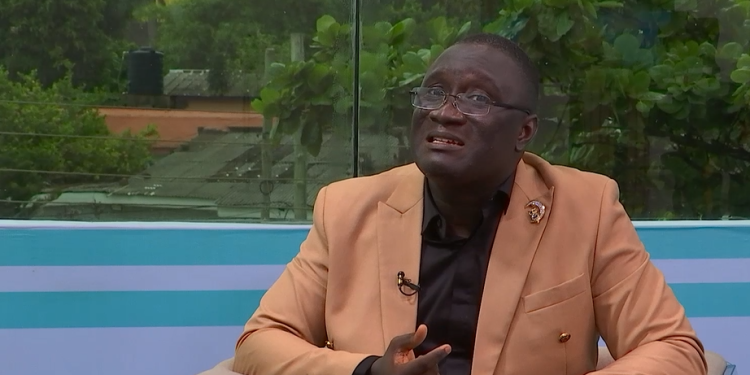
Following the court proceedings, Mr. Apea-Dankwah spoke with representatives from Citi FM, where he outlined the steps his legal team is undertaking to challenge the EC’s decision. He indicated that they have taken additional legal action by filing a request for the EC to provide specific documentation. This material is expected to shed light on the criteria and decision-making process that led to his disqualification. The provision of such records is crucial for understanding the foundations of the EC’s ruling and is likely to play a significant role in the forthcoming judicial review.
The situation highlights the ongoing tensions surrounding electoral processes in Ghana, particularly concerning the autonomy of the EC and the legal frameworks guiding candidate eligibility. Mr. Apea-Dankwah’s disqualification raises questions about transparency and fairness in election management, prompting a need for independent review mechanisms to ensure that electoral bodies act within their legal parameters. The implications of this case extend beyond Mr. Apea-Dankwah himself and could influence the broader public perception of the integrity of the electoral system leading up to the presidential election.
Moreover, as the election draws near, the stakes are higher not only for the candidates but also for the electorate, which relies on a fair electoral process to express their democratic rights. The court’s decision to adjourn offers a temporary pause in the unfolding electoral drama, but it also serves to spotlight the judiciary’s role in mediating disputes regarding electoral candidacy and legitimacy. This situation underscores the need for a robust legal framework that can adeptly navigate the intersections of election law, candidate rights, and the responsibilities of electoral authorities.
As the hearing approaches on Thursday, all eyes will remain on the proceedings and their potential outcomes. The tension surrounding Mr. Apea-Dankwah’s legal battle illustrates the critical importance of legal recourse in democratic societies and signifies the role that judiciary decisions can play in shaping electoral contests. The case not only represents Mr. Apea-Dankwah’s fight for political participation but also serves as a critical examination of electoral governance in Ghana, with implications that could resonate well beyond the immediate electoral cycle.