





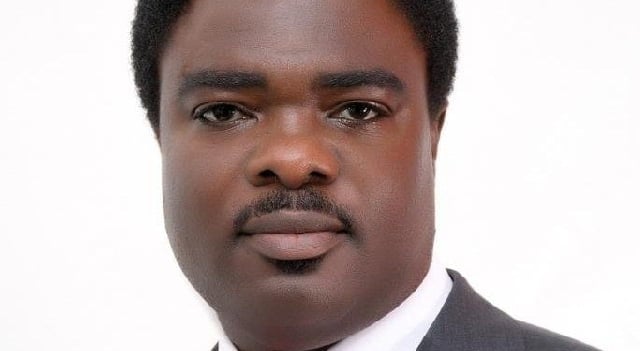
Kwadwo Asante, the Member of Parliament for the Suhum Constituency located in the Eastern Region of Ghana, has publicly refuted allegations suggesting that he has abandoned his plans to run as an independent candidate in the upcoming 2024 elections. In a resolute statement, Asante characterized these rumors as “fake news,” asserting his steadfast commitment to pursuing his independent candidacy. This controversy erupted following his removal from the Majority Caucus WhatsApp platform, a significant communication channel among Majority MPs, which was initiated by the Majority Chief Whip, Frank Annor Dompreh, once news regarding Asante’s independent status became known.
The situation took a turn after the Supreme Court intervened with a ruling concerning a stay application related to Asante’s case. Following this ruling, Dompreh reinstated Asante to the WhatsApp group. Despite this, Asante voiced his displeasure regarding Dompreh’s actions, labeling them as manipulative. He expressed his belief that Dompreh’s initial removal was a political maneuver stemming from his decision to run independently, implying there was an attempt to undermine his position within the Majority Caucus as a consequence of his political choices.
In the wake of these developments, Asante remained largely silent on the WhatsApp platform until he sensed the emergence of rumors indicating that he had withdrawn from the independent race. This prompted him to take a definitive stand and publicly affirm his decision to remain an independent candidate. By stating, “It is not true. I am the independent candidate in Suhum, and I have not changed my decision,” Asante sought to quell any doubts about his intentions, reaffirming his dedication to contesting the upcoming elections without the affiliation of major political parties.
Asante’s claims highlight the pivotal role of internal party dynamics and communication in shaping the political landscape in Ghana. The incident draws attention to the complicated relationships and tensions that can arise when party members choose to diverge from the party line, especially in the context of Ghana’s intricate political environment. This case underscores the challenges faced by independent candidates in a system dominated by established political parties, where loyalty and adherence to party directives often play a significant role in a politician’s career.
Furthermore, Asante’s situation serves as a broader commentary on the state of political discourse in Ghana, especially in terms of information dissemination. The prevalence of misinformation, as evidenced by the “fake news” claims, raises concerns about the integrity of political dialogue and the impact it can have on public perceptions of a politician’s intentions and capabilities. This scenario reflects a common predicament faced by many political figures who must navigate both their personal ambitions and the narratives crafted by the media and their political opponents.
In conclusion, Kwadwo Asante has made it clear that he remains fully committed to his independent candidacy for the 2024 elections, despite the challenges and political maneuvering he has encountered. His determination to set the record straight amid rumors serves not only to reassert his political aspirations but also to highlight the intricate dynamics and the often tumultuous nature of Ghana’s political landscape. As the election approaches, Asante’s actions and the reactions of his peers will likely shape the political discourse and set the stage for a more competitive electoral environment.








