Paragraph 1: The New Eight-Second Rule for Goalkeepers
A significant change to football regulations is set to reshape the dynamics of the game, impacting goalkeepers and the flow of play. Starting this summer, goalkeepers found holding the ball for longer than eight seconds will be penalized with a corner kick for the opposing team. This new rule, unanimously approved by the International Football Association Board (IFAB) at its annual general meeting, aims to address the persistent issue of time-wasting in football. While the existing rule stipulates a six-second limit for goalkeepers to hold the ball, its enforcement has waned over time. The eight-second rule seeks to revitalize this regulation and inject more dynamism into matches, potentially leading to more attacking opportunities and a reduction in deliberate delays.
Paragraph 2: Trial Runs and Implementation
The new rule isn’t being implemented without thorough testing. It has already undergone extensive trials in over 400 matches across various competitions, including the Premier League 2. This trial period allowed referees to familiarize themselves with the new regulation and provided valuable data on its effectiveness. A key element of the new rule is the introduction of a five-second countdown by the referee, warning the goalkeeper before the eight-second limit is reached. This gives goalkeepers a clear indication of the time remaining, promoting fairer play and reducing ambiguity in officiating. The positive results of these trials, with few instances requiring corner kicks, have given IFAB the confidence to implement the rule in top-tier competitions, starting with FIFA’s Club World Cup in June 2024.
Paragraph 3: Rationale Behind the Change
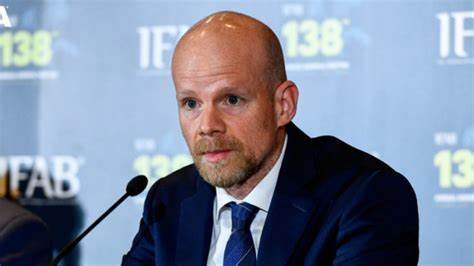
The impetus for this change comes from the recognition that the existing six-second rule has become largely unenforced, allowing goalkeepers to exploit this loophole and engage in time-wasting tactics. This not only disrupts the flow of the game but also frustrates opponents and fans alike. FIFA Secretary General Mattias Grafstrom highlighted the success of the trial phase, emphasizing that referees rarely needed to award corner kicks, suggesting that goalkeepers adapted well to the new time limit. The eight-second rule offers a practical solution to this problem, providing a clear and enforceable standard that referees can consistently apply.
Paragraph 4: Broader Implications for the Game
This rule change is more than just a technical adjustment; it signifies a broader effort to enhance the entertainment value and fairness of football. By discouraging time-wasting, the rule encourages a more dynamic and attacking style of play. The reduced time allowed for goalkeepers to hold the ball will likely result in quicker distribution, leading to faster transitions and potentially more scoring opportunities. Furthermore, this rule change aligns with the ongoing focus on improving the pace and intensity of football, making it a more engaging spectacle for viewers.
Paragraph 5: Continued Trials for Offside Interpretation
Alongside the eight-second rule, IFAB also addressed another contentious aspect of the game: offside calls. They voted to continue trials with a modified interpretation of the offside rule, where an attacker will be deemed onside if their torso is level with the second-to-last defender. This adjustment aims to provide greater clarity and consistency in offside decisions, often a source of debate and controversy. The continued trials will allow for further evaluation of this modification and its impact on the game dynamics.
Paragraph 6: Addressing Time-Wasting and Promoting Fair Play
The eight-second rule, along with the ongoing offside trials, reflects IFAB’s commitment to refining the rules of football to enhance the sporting experience for all stakeholders. By addressing the issue of time-wasting and promoting fair play, these rule adjustments aim to create a more balanced and enjoyable game for players, officials, and fans alike. The implementation of the eight-second rule marks a significant step towards a more dynamic and entertaining future for football.