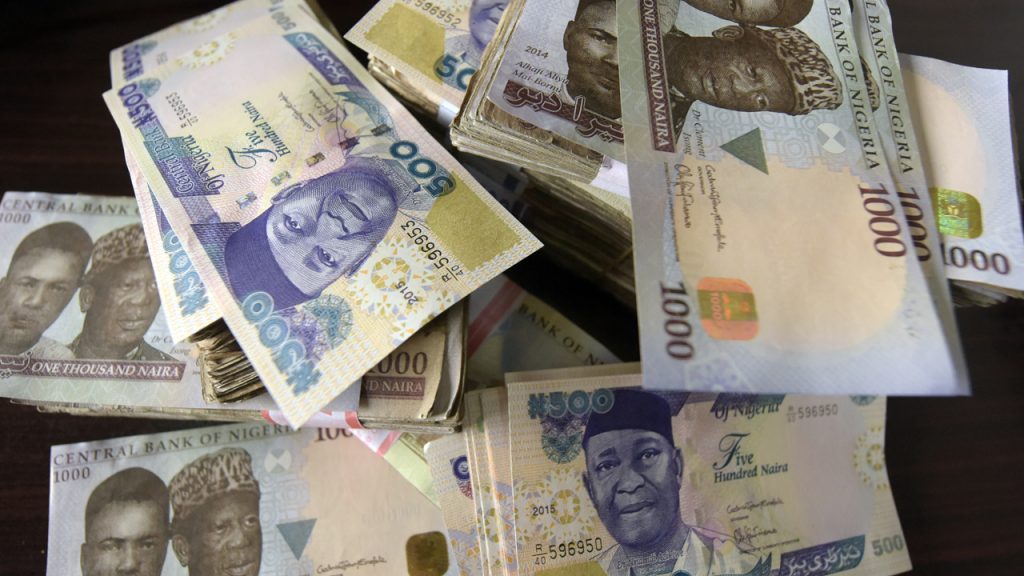
The International Monetary Fund (IMF) has recently reported signs of stabilization in Nigeria’s currency, the naira, largely due to recent interest rate hikes and proactive measures taken by the Central Bank of Nigeria (CBN) to address longstanding foreign exchange backlogs. This assessment comes from the IMF’s latest Global Financial Stability Report. The IMF highlighted the significance of the CBN’s interventions in clearing overdue foreign exchange obligations, which have been crucial for stabilizing the naira amid ongoing financial challenges. The report states, “Policy actions by local authorities have resulted in positive developments; for example, in Nigeria, rate hikes and the clearing of overdue domestic central bank foreign exchange obligations have helped the naira show more signs of stability.”
Despite the IMF’s optimistic outlook, recent data from the FMDQ Exchange suggests that the naira has experienced a slight depreciation, falling from N1,653.02 per dollar to N1,654.09/$—a marginal decline of 0.06 percent—the day following the report. Moreover, foreign exchange turnover suffered a more significant drop of 22.41 percent, descending from $176.15 million to $136.68 million within the same period. These latest movements illustrate that while there may be indications of stabilization, the market is still grappling with structural challenges that hinder a full recovery.
The IMF’s analysis is concurrent with ongoing efforts by Nigerian authorities to bolster stability in the foreign exchange market and enhance liquidity. These measures are layers of complexity in balancing the supply and demand within the marketplace, as evidenced by the sharp downturn in foreign exchange turnover. The report reflects the central narrative of a country struggling to reconcile its economic policies with market realities in the face of unpredictable shifts in currency valuation and foreign investment flows.
According to the World Bank’s recent edition of Africa’s Pulse, the naira is also recognized as one of the worst-performing currencies within Sub-Saharan Africa in 2024. By the end of August 2024, the naira had depreciated approximately 43 percent year-to-date, placing it amongst the weakest currencies in the region, alongside the Ethiopian birr and South Sudanese pound. This depreciation of the naira underscores broader economic vulnerabilities, driven by excessive demand for U.S. dollars in the parallel market coupled with insufficient dollar inflows. Furthermore, delayed foreign exchange disbursements by Nigeria’s central bank contribute to the naira’s troubling status.
The World Bank’s report elaborates on the multiple factors influencing the naira’s decline, pointing out that the soaring demand for U.S. dollars—stemming from financial institutions and various economic actors—has elevated pressure on the naira. The findings illustrate how these market dynamics can create adverse effects, pushing currency values downward and complicating local economic conditions. The situation is further exacerbated by the sluggish pace of foreign exchange disbursements to currency exchange bureaus, further illustrating the challenges faced by local authorities tasked with maintaining currency stability.
Despite some recent reforms aimed at revitalizing the foreign exchange market—including the liberalization of the official exchange rate initiated in June 2023—Nigeria’s naira continues to flounder under mounting pressures. The IMF’s report serves as a valuable reminder of the delicate balance that national authorities must achieve between following through on reforms and responding effectively to the pressures of market forces. As Nigeria navigates through this complex financial landscape, ongoing vigilance and responsive policies will be essential to foster a more favorable economic environment and, ultimately, stabilize the naira in the longer term.