





Nigeria’s Wheat Revolution: A Path to Economic Recovery and Food Security
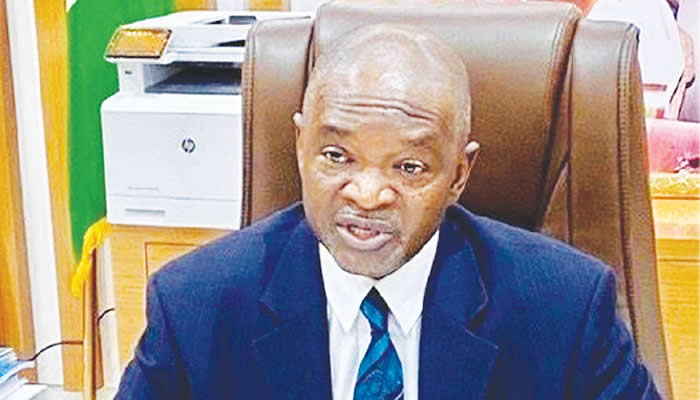
Nigeria, Africa’s most populous nation, has long grappled with the challenges of a struggling economy and a heavy reliance on food imports. The Minister of Agriculture and Food Security, Mohammad Abubakar, has identified a potential solution to these intertwined issues: a focused national effort to boost wheat production. With a target of over 2 million tonnes of wheat across 19 northern states, the initiative aims to transform Nigeria from a net importer to a potential exporter of this crucial staple crop. This ambitious plan, if successful, could significantly impact the nation’s economy, strengthen its currency, and enhance food security for its citizens.
The minister’s vision revolves around leveraging the comparative advantages of different regions within the country to maximize agricultural output. The focus is not solely on wheat but encompasses a broader strategy of diversified agricultural production. By increasing domestic production across a range of crops, Nigeria aims to decrease its reliance on imports, thereby saving valuable foreign exchange and supporting local farmers. The anticipated reduction in import costs is expected to translate to lower food prices for consumers, alleviating the burden of food inflation, a pressing concern for many Nigerian households. This integrated approach reflects a shift towards achieving greater self-sufficiency in food production and bolstering the nation’s economic resilience.
Central to this initiative is the National Agricultural Growth Scheme and Agro-Pocket Programme, which provide support and resources to farmers. The minister’s recent visit to Gombe State for an on-the-spot assessment of the programme underscored the government’s commitment to its success. Preliminary indications are positive, with expectations of a significant increase in yield compared to the previous year. The minister expressed confidence that the program is on track to achieve its ambitious goals, and emphasized the potential for further expansion by increasing the number of participating farmers. The success of this programme will be pivotal in achieving the overall wheat production targets and demonstrating the viability of the broader agricultural strategy.
A key challenge identified in previous agricultural initiatives has been the timely distribution of essential farming inputs. The minister acknowledged past logistical hurdles, particularly delays caused by the farmer data submission process. He assured that lessons have been learned and that measures are in place to streamline the distribution process, ensuring that farmers receive inputs promptly and efficiently. This includes a proactive approach to transitioning from dry season to wet season farming, aiming for year-round production to minimize disruptions and maximize output. This commitment to efficient logistics is vital for ensuring farmers can operate effectively and achieve optimal yields.
Protecting farmers’ interests and ensuring fair compensation for their efforts are crucial elements of the strategy. The minister addressed concerns about exploitation by middlemen and price fluctuations by highlighting agreements with off-taker companies. These agreements guarantee a market for farmers’ produce, ensuring they receive a fair price and are not subjected to unfair market practices. Furthermore, the emphasis on value addition addresses the issue of post-harvest losses and enhances the profitability of agricultural activities for farmers. This holistic approach aims to empower farmers and make agriculture a more attractive and sustainable livelihood.
Transportation costs have been identified as a major contributor to food inflation in Nigeria. To address this, the minister announced plans to establish a Compressed Natural Gas (CNG) center in Gombe State. The introduction of CNG as an alternative fuel source is expected to significantly reduce transportation expenses, which in turn will lower the cost of food products in the market. This initiative is part of a broader national effort to expand CNG infrastructure, with the goal of establishing more CNG conversion centers and filling stations across the country. This strategic move underscores the government’s commitment to tackling the root causes of food inflation and making food more affordable for all Nigerians. The successful implementation of these measures holds the potential to transform Nigeria’s agricultural landscape, strengthen its economy, and enhance the well-being of its citizens. The coming years will be critical in determining the extent to which this ambitious vision translates into tangible results.








