The Anticipated Influx of Vehicles at Tincan Island Port and the Naira’s Stability
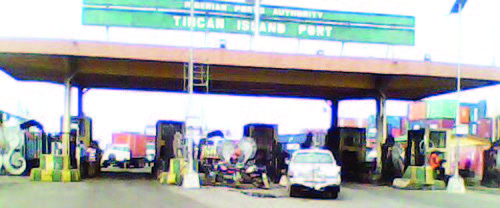
The Nigerian Ports Authority (NPA) anticipates a significant arrival of 1,350 vehicles at the Ports & Terminal Multipurpose Limited (PTML) at Tincan Island Port between July 19 and 21, 2025. This influx comprises 1,000 new vehicles and 350 used vehicles. Notably, this surge in vehicle imports coincides with a period of relative stability for the Nigerian naira against the US dollar. As of July 20, 2025, the parallel market rate stood at N1,544 per dollar, a figure that has remained relatively constant in recent days. Maritime analysts attribute this stability to the Central Bank of Nigeria’s (CBN) proactive interventions in the foreign exchange market. They emphasize the positive impact of a stable naira on import activities, particularly in the automotive sector, and urge the CBN to maintain its efforts to sustain this stability.
The CBN’s intervention strategy involves injecting substantial amounts of US dollars into the foreign exchange market. During the first half of 2025, the CBN injected a considerable $4.1 billion, a move credited with bolstering the naira’s value and easing liquidity pressures in the currency market. CSL Stockbrokers Limited highlighted this aggressive intervention as a testament to the CBN’s commitment to defending the naira against persistent volatility and weak capital inflows. The naira, which began the year at N1,535 to the US dollar in the official market, appreciated slightly to N1,530/$ by the end of June, largely due to these FX injections. This stability has provided a more predictable environment for importers, encouraging activities like the large vehicle shipment expected at Tincan Island Port.
Despite the positive effects of the CBN’s intervention, concerns remain regarding the long-term sustainability of this strategy. Industry analysts point to several challenges, including dwindling oil earnings, reduced foreign portfolio investment inflows, and uncertainties surrounding external financing. These factors raise questions about the CBN’s ability to maintain its current level of intervention indefinitely. A sustained defense of the naira requires addressing these underlying economic vulnerabilities to ensure that the currency’s stability isn’t solely reliant on continuous injections of foreign reserves.
Conversely, members of the Organized Private Sector (OPS) argue that a degree of central bank intervention is necessary to manage currency fluctuations. They contend that relying solely on market forces to determine the naira’s value would expose the currency to excessive volatility, potentially harming businesses and the broader economy. The OPS believes that a responsible central bank should actively participate in the foreign exchange market to mitigate extreme fluctuations and maintain a stable exchange rate, thereby fostering a conducive environment for economic activity. This perspective underscores the ongoing debate about the appropriate level of central bank involvement in managing a nation’s currency.
The complex interplay of these factors is evident in the context of Nigeria’s external reserves. Despite the CBN’s interventions, Nigeria’s gross external reserves decreased by $3.67 billion in the first half of 2025, highlighting the financial pressures the country faces. This decline underscores the delicate balance the CBN must strike between defending the naira and preserving its foreign reserves. While the interventions have yielded positive short-term results, such as the increased vehicle imports, the long-term sustainability of this approach remains a critical concern given the depletion of external reserves.
The expected arrival of the vehicles is scheduled in two phases. On July 19, 2025, 500 new vehicles and 350 used vehicles arrived at the PTML. The remaining 500 new vehicles are expected to arrive on July 21, 2025, handled by Grimaldi Shipping Agency Nigeria Limited. This influx of vehicles, facilitated by the naira’s relative stability, represents a significant development in the Nigerian automotive market. The sustained stability of the naira, influenced by the CBN’s interventions, will likely continue to play a key role in shaping import dynamics and overall economic activity in the coming months. However, addressing the underlying economic challenges, including diversifying revenue sources and attracting foreign investment, will be crucial for achieving long-term currency stability and sustainable economic growth.