









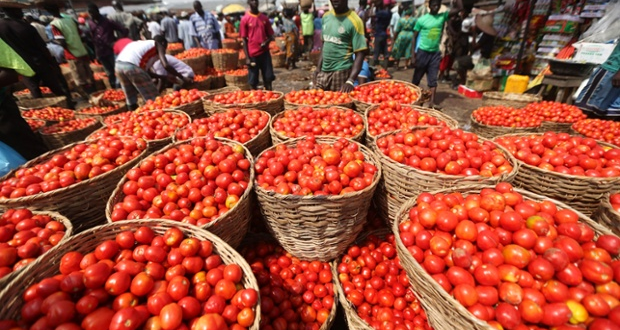
The recent surge in tomato prices across Nigeria, particularly noticeable during the Sallah celebrations, has been primarily attributed to a confluence of heightened demand and diminished production output. This explanation was offered by Mr. Rabiu Zuntu, the Kaduna State Chairman of the Tomatoes Growers and Processors Association of Nigeria (TOPAN), in an interview with the News Agency of Nigeria (NAN). He highlighted the cyclical nature of tomato prices, often influenced by festive periods, and predicted a return to normalcy in the coming weeks as demand stabilizes post-celebrations. Zuntu emphasized that while Sallah significantly amplified demand, the underlying issue of low production persists, contributing to the overall price escalation.
The interplay between supply and demand is a fundamental driver of market prices. During periods of high demand, like religious festivals or national holidays, the available supply of goods, in this case, tomatoes, may be insufficient to meet the increased consumer needs. This imbalance creates upward pressure on prices as consumers compete for limited resources. The Sallah celebration, being a major religious event in Nigeria, naturally led to a surge in demand for tomatoes, a key ingredient in many traditional dishes. Coupled with already low production levels, this heightened demand further exacerbated the price hike.
The low production output itself can be attributed to a variety of interconnected factors. These may include unfavorable weather conditions, inadequate irrigation systems, limited access to quality seeds and fertilizers, and challenges related to pest and disease control. Furthermore, the rising costs of transportation and logistics further contribute to the final price consumers pay for tomatoes. The combined effect of these challenges creates a bottleneck in the supply chain, ultimately driving up prices and impacting affordability, particularly for lower-income households.
While festive periods exert temporary pressure on tomato prices, the underlying issue of low productivity must be addressed to ensure stable and affordable access to this essential commodity. This requires a multifaceted approach involving investments in improved farming practices, infrastructure development, and market access initiatives. Supporting farmers with access to modern technologies, training, and financial resources can boost productivity and enhance their resilience to external shocks like adverse weather conditions. Furthermore, investments in efficient transportation networks and storage facilities can reduce post-harvest losses and ensure that tomatoes reach consumers fresh and affordable.
Looking forward, Mr. Zuntu expressed optimism about a price correction in the near future. As the post-Sallah demand subsides, he anticipates a return to more normal price levels within a week or two. This prediction underscores the transient nature of price fluctuations driven by seasonal and festive demand spikes. However, the long-term solution lies in addressing the root causes of low production and strengthening the entire tomato value chain. Sustainable solutions are essential to ensure consistent and affordable access to tomatoes for all Nigerians, regardless of seasonal or festive demands.
In conclusion, the recent hike in tomato prices can be understood as a confluence of multiple interacting factors, with the Sallah-induced demand surge acting as a catalyst in an already strained supply scenario. While a price correction is anticipated in the short term, achieving long-term price stability necessitates tackling the fundamental issues of low production, transportation costs, and infrastructural limitations. A collaborative effort among farmers, government agencies, and private sector stakeholders is crucial to ensure a robust and resilient tomato value chain that can meet the ever-growing demand for this essential staple in Nigeria.









