









Ghana’s 2024 Presidential Election: A Triumph of Democratic Processes and Political Stability
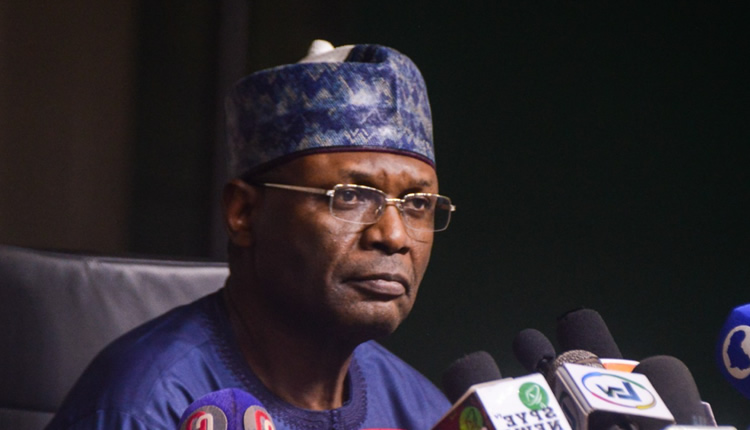
The 2024 Ghanaian presidential election, held on December 7th, marked a significant moment for the nation’s democracy. Former President John Mahama of the National Democratic Congress (NDC) emerged victorious, prompting a gracious concession from his opponent, Vice President Mahamudu Bawumia. Bawumia’s acknowledgement of the people’s will underscored the maturity and stability of Ghana’s political landscape. Professor Mahmood Yakubu, Chairman of Nigeria’s Independent National Electoral Commission (INEC), who observed the election, commended Ghana’s electoral process, highlighting its innovative approach and inherent political stability as key factors in the smooth conduct of the election.
Yakubu emphasized the remarkable stability of Ghana’s political party structures and voter loyalty. Unlike in some other countries, Ghanaian voters tend to maintain their allegiance to their chosen parties, irrespective of whether the party is in power or in opposition. This steadfast loyalty contributes significantly to the overall stability of the political system. Yakubu cited the perseverance of both Mahama and the outgoing President, Nana Akufo-Addo, as examples of this enduring political commitment. Both men contested multiple elections before ultimately achieving the presidency, demonstrating the long-term vision and dedication that characterize Ghanaian politics.
A key innovation highlighted by Yakubu was Ghana’s decentralized approach to managing election results, a system inspired by Nigeria’s electoral process. Previously, all parliamentary and presidential results were collated and announced at the Electoral Commission’s headquarters in Accra. However, learning from Nigeria’s decentralized model, Ghana implemented a system where constituency-level officers announce parliamentary results locally, while only presidential results are transmitted to Accra. This decentralized approach has streamlined the process, making it more efficient and transparent.
This efficiency was evident in the relatively swift declaration of the presidential election results compared to previous elections. By empowering local officials to announce parliamentary results, the burden on the central electoral body was significantly reduced, allowing for a quicker and smoother collation and announcement of the presidential results. Yakubu expressed his satisfaction with the overall process, commending the Ghanaian Electoral Commission for its successful implementation of this innovative approach.
The election outcome also reflects the impact of recent economic challenges on the political landscape. The outgoing New Patriotic Party (NPP), under President Akufo-Addo, faced criticism for the country’s economic struggles, including high inflation and a debt default. These economic woes likely contributed to the electorate’s desire for change, culminating in Mahama’s victory. The peaceful transition of power underscores the strength of Ghana’s democratic institutions and the commitment of its political actors to upholding the will of the people.
The 2024 Ghanaian presidential election serves as a testament to the power of democratic processes and the importance of political stability. The smooth conduct of the election, the gracious concession of the losing candidate, and the innovative improvements to the electoral system all contribute to a positive narrative for democracy in Africa. The election also highlights the influence of economic factors on political outcomes and the willingness of the electorate to hold their leaders accountable. As Ghana navigates the transition to a new administration, the lessons learned from this election will undoubtedly shape the future of its democratic journey.









