





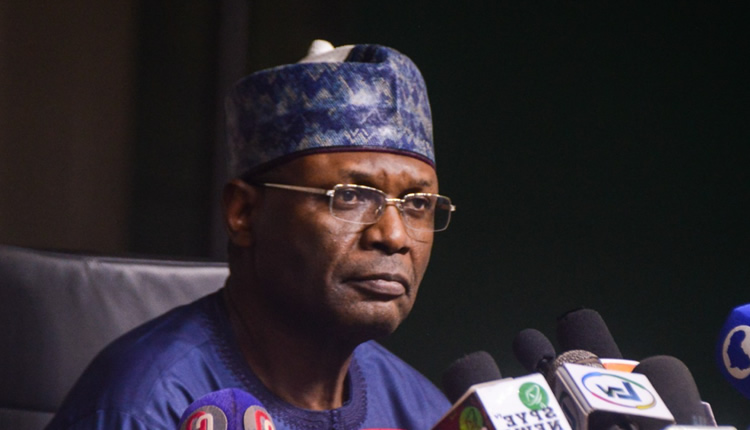
The Independent National Electoral Commission (INEC) has presented a stark financial reality to the Nigerian National Assembly, highlighting the significant funding gap that threatens its ability to conduct credible elections in the coming years. INEC Chairman, Professor Mahmood Yakubu, painted a picture of an underfunded electoral body struggling to meet its obligations, with a proposed budget of N40 billion for 2025 falling far short of the estimated N126 billion required to effectively prepare for and execute the 2027 general elections and other crucial electoral activities.
Professor Yakubu emphasized the critical nature of 2025, citing the upcoming Anambra governorship election, the Area Council elections scheduled for 2026, and the necessity of commencing preparations for the 2027 general elections. These preparations include the continuous voter registration exercise, a crucial process that has been stalled due to lack of funds, and the redistribution of voters from overcrowded polling units. In addition, INEC faces the immediate challenge of funding 11 pending bye-elections, with only N500 million secured, a sum deemed insufficient for the task. The existing N40 billion allocation barely covers staff salaries and allowances, particularly in light of the recent minimum wage increase, leaving little room for other essential operational expenses.
The INEC Chairman detailed the extensive operational requirements of the commission, including the significant human resource component. With over 14,700 staff members and a substantial number of political appointees, including National Commissioners, Resident Electoral Commissioners, and their aides, the salary burden alone places a considerable strain on the allocated budget. Furthermore, INEC is responsible for the maintenance of over 850 buildings nationwide, encompassing offices at the ward, local government, and state levels, many of which are in dire need of renovation. The commission also aims to relocate 59 local government offices and has plans to replace damaged or outdated equipment, such as BVAS machines and voting cubicles.
The insufficient funding has had a tangible impact on INEC’s operations, delaying vital activities such as voter registration and putting at risk the timely and efficient execution of upcoming elections. The commission’s reliance on supplementary funding from the executive branch, as well as local governments, raises concerns about its independence and the potential for undue influence. Professor Yakubu’s appeal to the National Assembly underscores the urgency of the situation and the need for a significant increase in funding to safeguard the integrity of Nigeria’s electoral process.
Legislators responded to Professor Yakubu’s presentation with expressions of concern and calls for action. Senator Ireti Kingibe stressed the importance of INEC’s independence and urged the parliament to prioritize adequate funding for the commission, recognizing it as an essential investment in the nation’s democratic future. Representative Adeboye Paul highlighted the dangers of INEC’s current financial dependence, particularly the reliance on local government contributions, which could compromise the impartiality of the electoral system. He called for a serious deliberation on how best to support INEC and ensure the stability of Nigeria’s democracy.
The budget defense session concluded with a closed-door meeting between the joint committee and the INEC delegation, signaling the beginning of a crucial dialogue on the financial needs of the electoral body. The outcome of these deliberations will have a significant impact on the future of Nigeria’s electoral landscape, determining whether INEC will have the resources necessary to conduct free, fair, and credible elections, or whether it will continue to struggle under the weight of financial constraints, potentially jeopardizing the democratic process. The call for increased funding underscores the fundamental importance of a well-resourced and independent electoral body in upholding democratic principles and ensuring the legitimacy of electoral outcomes in Nigeria.








