









Paragraph 1: Dismissal of Death Rumor and Confirmation of INEC Chairman’s Well-being
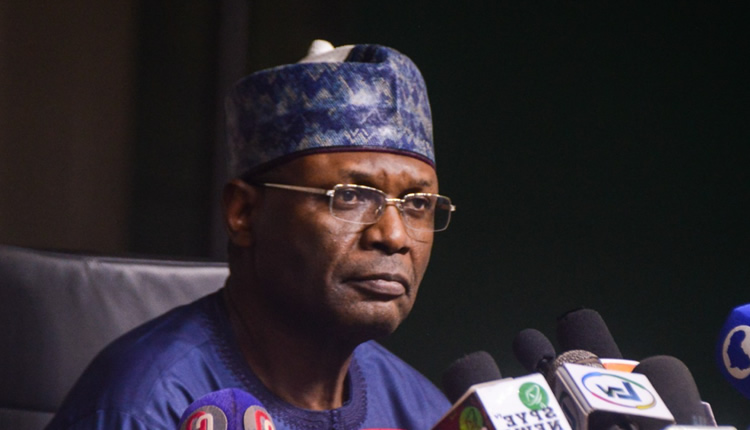
The Independent National Electoral Commission (INEC) has unequivocally dismissed rumors circulating on social media regarding the purported death of its Chairman, Professor Mahmood Yakubu. These rumors, which falsely claimed that Professor Yakubu had passed away in a London hospital, began circulating on Monday, December 9, 2024. INEC, through a statement issued by the Chairman’s Chief Press Secretary, Rotimi Oyekanmi, categorically refuted these claims, assuring the public that Professor Yakubu is alive, healthy, and actively carrying out his duties. The commission urged the public to disregard the false information and emphasized the Chairman’s continued leadership within the organization.
Paragraph 2: Evidence of Chairman’s Active Engagement in Official Duties
To further dispel the rumors, INEC provided concrete evidence of Professor Yakubu’s recent public engagements. The statement highlighted his presence at a meeting with the House of Representatives Committee on Electoral Matters on December 11, 2024, and his chairing of a meeting with Resident Electoral Commissioners on December 12, 2024. Both events were widely publicized, with television coverage and prominent newspaper reports on December 13, 2024, further substantiating the Chairman’s active involvement in official duties and contradicting the false claims of his demise. This transparent account of Professor Yakubu’s recent activities aims to reassure the public and stakeholders of his continued leadership and commitment to INEC’s responsibilities.
Paragraph 3: Addressing the Recurring Nature of False Information and its Impact
The commission noted that this is not the first instance of such false rumors targeting Professor Yakubu. A similar incident occurred in 2021, demonstrating a pattern of misinformation campaigns aimed at discrediting the INEC Chairman. The recurrence of these unfounded allegations raises concerns about the deliberate and malicious nature of such misinformation, which can have significant negative consequences for individuals and institutions alike. INEC’s statement underscores the importance of verifying information from credible sources and refraining from spreading unverified rumors.
Paragraph 4: Condemnation of Rumor Mongering and its Potential Harm
INEC strongly condemned the dissemination of these false rumors, highlighting the potential harm they cause to individuals and the broader society. The spread of misinformation can undermine public trust in institutions, create unnecessary anxiety and confusion, and damage the reputation of individuals targeted by such campaigns. The commission’s condemnation serves as a reminder of the ethical responsibility to be mindful of the consequences of spreading unverified information and to prioritize accurate and responsible communication.
Paragraph 5: The Importance of Credible Information and Public Trust
In an era of rapid information dissemination through social media, the incident highlights the critical need for verifying information before sharing it. The speed at which false information can spread online necessitates greater vigilance and responsibility from individuals and media outlets alike. Public trust in institutions like INEC is essential for the integrity of democratic processes, and the spread of misinformation can erode this trust, creating uncertainty and skepticism. Promoting media literacy and critical thinking skills is crucial in combating the spread of false narratives and safeguarding the integrity of information disseminated to the public.
Paragraph 6: Call for Accountability and Responsible Social Media Engagement
The commission’s statement implicitly calls for greater accountability from social media platforms and users in curbing the spread of misinformation. While social media offers a powerful platform for communication and engagement, it also presents a challenge in preventing the rapid dissemination of false information. The incident underscores the need for individuals to be more discerning about the information they consume and share, and for social media platforms to implement more effective mechanisms for identifying and removing false or misleading content. Promoting responsible social media engagement is vital for maintaining a healthy information ecosystem and ensuring that the public has access to accurate and reliable information.









