





Paragraph 1: Consolidation of Power in Ghana’s Security Apparatus
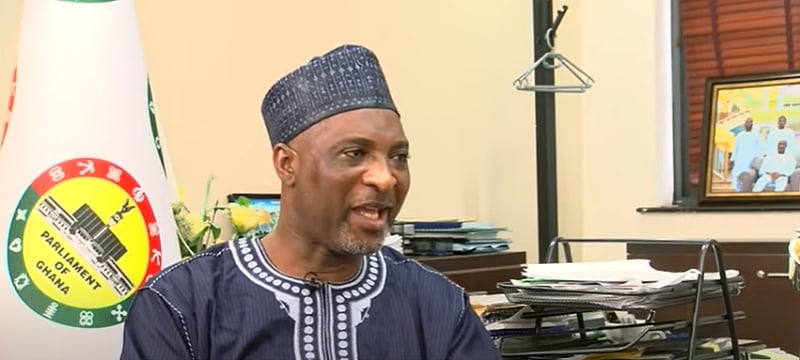
President John Dramani Mahama’s appointment of Interior Minister Mohammed Mubarak Muntaka as Acting Minister of National Security marks a significant consolidation of power within Ghana’s security apparatus. This dual role, enabled by Section 24 of the Securities and Intelligence Act 2020 (Act 1030), centralizes control over both internal security, traditionally managed by the Interior Ministry, and national security intelligence, previously under the purview of a separate ministry. This move streamlines authority, potentially enhancing decision-making speed and efficiency in responding to security threats. However, it also raises questions about the concentration of power and the potential for decreased oversight and checks and balances.
Paragraph 2: Streamlining Governance through Mergers and Dissolutions
The appointment of Muntaka is part of a broader trend under President Mahama’s administration to streamline government operations through merging and dissolving ministries. This restructuring reflects a commitment to a leaner, more cost-effective government structure. The rationale behind this approach is to reduce bureaucratic redundancy, improve inter-ministerial coordination, and enhance service delivery. Ministries affected by this streamlining include the Ministry for National Security, the Ministry of Information, and the Ministry of Sanitation and Water Resources, suggesting a government-wide effort to optimize resources and improve efficiency.
Paragraph 3: Implications for National Security Management
Merging the Interior and National Security portfolios under one minister has significant implications for national security management. It potentially creates a more integrated approach where domestic security concerns and national security intelligence gathering are closely aligned. This could facilitate faster responses to emerging threats, as information flow and decision-making processes are streamlined. Conversely, this concentration of power could lead to potential blind spots if diverse perspectives and independent analyses are not adequately considered. The success of this approach will depend on the effectiveness of internal communication and coordination within the combined ministry.
Paragraph 4: Addressing Emerging Security Challenges
Ghana, like many nations, faces evolving security challenges, including internal security issues, such as crime and social unrest, and external threats like terrorism and cross-border criminal activities. This evolving landscape demands a robust and adaptable security architecture. By consolidating security leadership, President Mahama’s administration aims to enhance its capacity to address these challenges effectively. The streamlined structure could facilitate a more proactive and coordinated response, allowing for quicker deployment of resources and implementation of security measures. However, the effectiveness of this approach will also depend on the capacity of the merged ministry to manage diverse security needs simultaneously.
Paragraph 5: Maintaining Public Safety and Order
Maintaining public safety and order is a paramount concern for any government, and Ghana is no exception. The appointment of Muntaka as Acting Minister of National Security signals the government’s focus on strengthening its ability to protect its citizens. The consolidated security structure is intended to enhance coordination between internal security forces and national intelligence agencies, allowing for a more comprehensive approach to crime prevention and response. This integrated approach could prove particularly beneficial in addressing complex security challenges that require collaboration between different security agencies.
Paragraph 6: Evaluating the Effectiveness of the Restructured Security Framework
The ultimate success of President Mahama’s restructuring of Ghana’s security framework will depend on several factors. These include the effectiveness of the merged ministry in coordinating its diverse responsibilities, the ability to maintain appropriate oversight and accountability mechanisms, and the capacity to adapt to evolving security threats. The government will need to develop clear protocols and communication channels within the new structure to ensure seamless information sharing and swift decision-making. Further, it will be essential to establish robust oversight mechanisms to prevent potential abuses of power and ensure that human rights are protected. The coming months and years will reveal the true impact of this restructuring on Ghana’s security landscape.








