





The chaotic scenes that unfolded during the January 30th ministerial vetting in Ghana’s Parliament, marked by overturned tables and damaged microphones, drew widespread public condemnation and led to the suspension of four Members of Parliament. The disorder erupted during the vetting process for Health Minister Kwabena Mintah Akandoh and Foreign Affairs Minister Samuel Okudzeto Ablakwa. The Minority faction opposed their vetting, arguing that the late hour made proper scrutiny impossible. However, the Majority insisted on proceeding, triggering a physical confrontation within the chamber. Among those suspended was Jerry Ahmed Shaib, the MP for Weija-Gbawe and Deputy Minority Chief Whip, who has vehemently denied instigating the chaos.
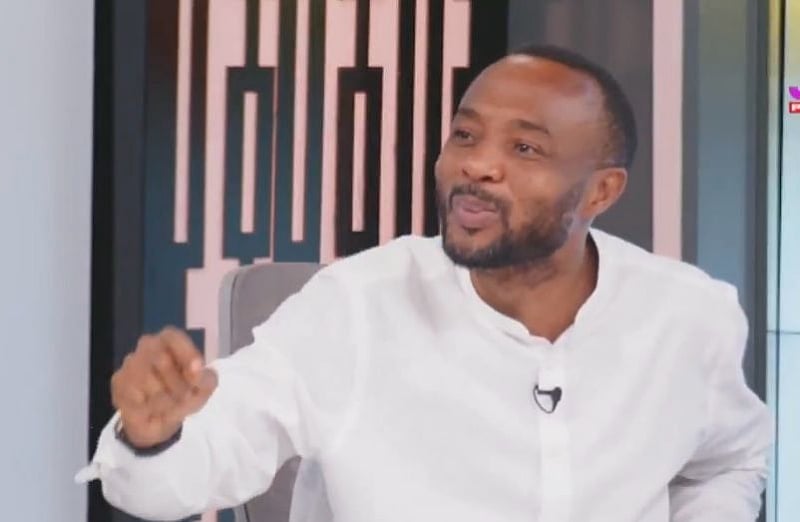
Mr. Shaib, in an interview on Joy Prime, offered a starkly different account of his actions during the tumultuous session. He challenged the narrative that portrayed him as a primary agitator, claiming that he was, in fact, attempting to de-escalate the situation. He pointed to the selective use of video footage, which showed him pushing tables, but omitted the broader context of his attempts to pacify his colleagues. He maintained that a comprehensive review of the recordings would reveal his efforts to restore order amid the escalating tensions. He expressed his disappointment and pain at being misrepresented as a provocateur, suggesting that political motivations were behind the distorted portrayal of his actions.
Mr. Shaib further elaborated on the pressures of the day, revealing the intense workload and limited opportunity for breaks. He described his meager sustenance, consisting of a single serving of roasted plantain, locally known as “Kofi broke man.” He explained that even when opportunities for a recess arose, the chamber was inundated with reports requiring immediate attention and approval, preventing members from taking a proper break. This unrelenting schedule, coupled with the contentious nature of the vetting process, likely contributed to the heightened emotions and subsequent eruption of disorder.
The incident raises fundamental questions about parliamentary decorum and the conduct of elected officials. While disagreements are inherent in the political process, the descent into physical altercations undermines the institution’s integrity and erodes public trust. The selective use of video footage to portray individuals in a negative light further complicates the matter, underscoring the need for a thorough and impartial investigation to establish the facts. The incident also highlights the demanding nature of parliamentary work and the potential for stress and fatigue to influence behavior.
The suspension of the four MPs, while intended to address the immediate breach of conduct, does not fully resolve the underlying issues that contributed to the chaos. A more comprehensive approach is required, focusing on fostering greater respect and decorum within the chamber. This could include implementing stricter rules of conduct, providing conflict resolution training for MPs, and establishing clear protocols for handling disagreements. Furthermore, ensuring that MPs have adequate time for breaks and meals could help to mitigate the negative effects of stress and fatigue, potentially preventing future outbursts.
The incident serves as a stark reminder of the importance of maintaining order and civility in democratic institutions. While passionate debate is essential, it must be conducted within the bounds of respectful discourse. The events of January 30th should prompt a serious reflection on the conduct of parliamentary proceedings and the need for a more constructive and less confrontational approach to resolving political differences. Ultimately, upholding the integrity of Parliament requires a collective commitment from all members to engage in respectful dialogue and refrain from actions that undermine the institution’s authority and erode public trust.








