









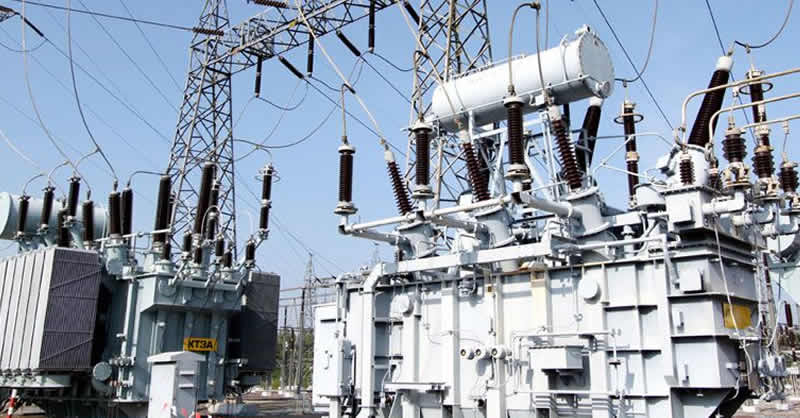
The recent restoration of electricity in Damaturu and its surrounding areas marked a significant relief for the community, which had endured a frustrating two-week blackout due to a malfunctioning power supply. The cheers of children celebrated the return of light on the night of October 30, at around 8:20 p.m., when the streets of Damaturu began to gleam again. This long period without electricity had not only plunged residents into darkness but had also disrupted their daily lives and economic activities. Local resident Mohammed AbdulRahman expressed a deep sense of relief, expressing hopes that the power would remain stable moving forward. However, he also raised concerns regarding the expectations for payment for electricity after such a prolonged outage, highlighting the need for fairness in billing practices.
AbdulRahman emphasized the necessity for the government to take proactive measures to avert future incidents of vandalism that could lead to similar outages. His sentiments resonated with others in the community, who shared a collective desire for improvements in the reliability of electricity supply in the North. Residents showed appreciation for the efforts of the Transmission Company of Nigeria (TCN), acknowledging the organization’s role in addressing the power supply issues. However, they also cautioned that more robust measures should be implemented to prevent future disruptions, indicating a community eager for both government accountability and infrastructural improvements.
Another resident, Bature Iman, who works as an electronics repairer, shared his disbelief at the sudden return of electricity. He recounted the substantial losses he incurred during the blackout, both financially and in terms of productivity. With a significant part of his work interrupted, Bature found himself trapped in a cycle of hardships, unable to fulfill customer requests due to the lack of power. His frustration was palpable as he described the ordeal and the uncertainty surrounding the reliability of the restored electricity supply. The phrase “usual rubbish style” reflected his skepticism about the consistency of the service provided by TCN, marking a deep-rooted distrust stemming from past experiences.
When asked about alternative sources of power, Bature expressed the unfeasibility of relying on a generator due to the high costs associated with its operation. Sharing that fueling his small generator would require an exorbitant amount of money that he could not afford, his comments underscored the economic strain many residents were facing. The expenses of fuel and maintenance for generators simply added to the financial burden already exacerbated by the blackout period. Thus, the electricity outage highlighted not only infrastructural weaknesses but also significant implications for the local economy and individual livelihoods.
The return of power was bittersweet for Bature as he, like many others, held a cautious optimism towards the durability of the restored supply. Despite the cheering celebrations, residents were guarded, aware that the fluctuation of electric supply has been a recurring theme. Bature’s remarks about the possible “wuru-wuru light”—a colloquial term suggesting unreliable electricity—reflected a common narrative among residents who had endured their share of unreliable services. The tension between hope for a stable power supply and the fear of future disruptions created an atmosphere of doubt and apprehension, suggesting that community concerns went beyond the immediate relief of illuminated streets.
In summary, the recent restoration of power in Damaturu has brought cheer but also raised important concerns about future reliability and government accountability. The experiences shared by residents like Mohammed AbdulRahman and Bature Iman reflect the challenges faced during extended outages, emphasizing a strong desire for both consistency and fairness in service provision. As the community appreciates the return of electricity, they simultaneously grapple with the realities of economic strain and infrastructure inadequacies. Their voices call for action from the government and utility companies to ensure a better quality of life moving forward. The mix of hope and skepticism encapsulated in their reactions serves as a reminder of the fragile relationship between citizens and the services they depend on for daily life.









