





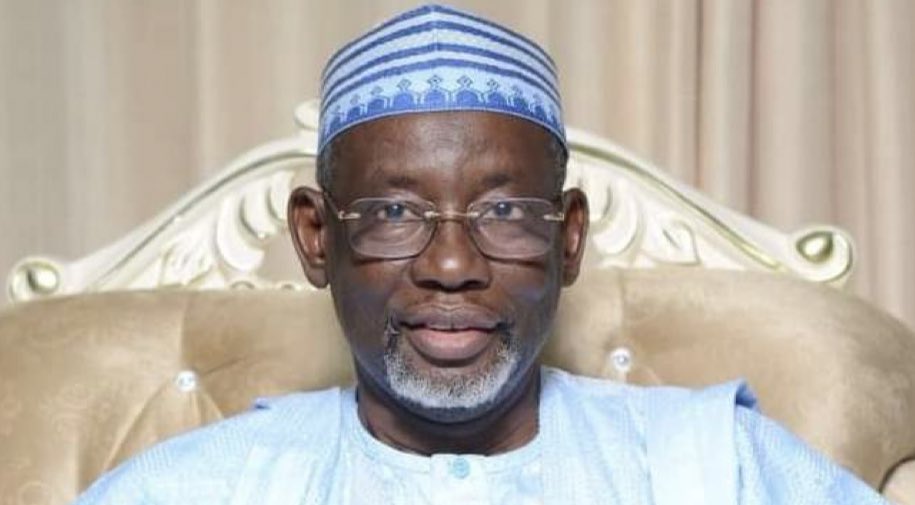
The construction of the Gwaram Basirka Bridge in Jigawa State, Nigeria, represents a significant infrastructural investment aimed at bolstering trade and connectivity between the North West and North East regions of the country. The N6.4 billion project, undertaken by Ojeil Construction Company Limited with Wuri Associate as the consultant, is envisioned as a catalyst for economic growth, facilitating the seamless movement of goods and people, and opening up new economic opportunities for local businesses and traders. Governor Umar Namadi’s recent inspection of the project underscored the state government’s commitment to its timely completion and its broader strategy of enhancing infrastructure to drive economic development. The bridge is poised to become a major trade artery, connecting key markets across the two regions and improving access to essential goods and services.
The Gwaram Basirka Bridge project aligns with the Jigawa State government’s overarching goal of transforming the state into a prominent economic hub in Northern Nigeria. By improving transportation infrastructure, the government aims to attract investment, create job opportunities, and stimulate economic activities within the region. The bridge is expected to significantly reduce travel time and costs, making it easier for businesses to transport goods and access wider markets. This improved connectivity will foster economic integration between states, promoting regional cooperation and shared prosperity. Moreover, the project’s focus on utilizing local contractors demonstrates the government’s commitment to empowering local businesses and fostering capacity building within the state.
The project’s current status stands at 24% completion, with the state government expressing optimism about meeting the stipulated six-month deadline despite potential challenges. Governor Namadi’s personal oversight of the project reflects the administration’s commitment to transparency and accountability in the utilization of public funds. Regular updates on the project’s progress will be provided to ensure public awareness and maintain stakeholder engagement. This transparent approach underscores the administration’s dedication to ensuring that the project benefits the people directly and contributes to the overall development of the state.
The Gwaram Basirka Bridge is not merely a transportation project; it is a strategic investment in the future of Jigawa State. By connecting previously isolated communities, the bridge will open up new avenues for trade and commerce, creating opportunities for businesses to expand and thrive. Farmers will have easier access to markets for their produce, reducing post-harvest losses and increasing their income. Small and medium-sized enterprises will benefit from improved access to raw materials and wider customer bases, leading to job creation and economic diversification. The bridge will also facilitate the movement of essential services, such as healthcare and education, to remote areas, improving the overall quality of life for residents.
The impact of the Gwaram Basirka Bridge extends beyond economic considerations. By improving connectivity, the bridge will foster social integration and cultural exchange between communities, strengthening social bonds and promoting unity. It will also facilitate access to healthcare facilities, enabling residents of remote areas to receive timely medical attention. Similarly, the improved transportation network will make it easier for children to attend school, contributing to increased literacy rates and human capital development. The bridge is therefore not just a physical structure; it is a symbol of progress and a pathway to a brighter future for the people of Jigawa State.
The Gwaram Basirka Bridge project embodies the Jigawa State government’s commitment to sustainable and inclusive development. By prioritizing investments in critical infrastructure, the government aims to create an enabling environment for economic growth, job creation, and improved quality of life for its citizens. The project is a testament to the power of strategic infrastructure development to transform communities and unlock their full potential. As the bridge nears completion, it promises to usher in a new era of prosperity and connectivity for Jigawa State and the wider region, solidifying its role as a vital economic hub in Northern Nigeria.








