









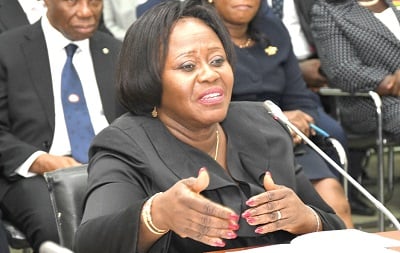
The Ghana Judiciary has expressed its readiness to handle all election-related matters efficiently in the lead-up to, during, and following the 2024 Presidential and Parliamentary elections. This commitment is reinforced through the implementation of the fifth edition of the Manual on Election Adjudication. Chief Justice Gertrude Torkornoo emphasized the importance of public trust in the judiciary’s ability to manage election disputes, stating that the judiciary is well-prepared, independent, and dedicated to maintaining the country’s peace and democratic process. The assurance aims to quell any concerns regarding the judiciary’s role in potential electoral conflicts.
A dialogue session was held with a Group of Eminent Persons, including representatives from the Christian Council of Ghana, to discuss the judiciary’s preparations for the upcoming elections. The gathering, chaired by Chief Justice Torkornoo, included notable members from the Elections Management Committee, who reassured attendees that measures are in place to address election-related litigation swiftly. The presence of religious leaders highlights the importance of stakeholder engagement in ensuring a transparent and fair electoral process.
Justice Paul Baffoe Bonnie, a Supreme Court judge and chair of the Elections Management Committee, elaborated on the significant activities undertaken since the committee’s establishment in the 2023/2024 Legal Year. He revealed that the committee is set to launch the updated Manual on Election Adjudication soon, which serves as a guide for handling electoral disputes. This proactive approach aims to streamline judicial processes and ensure that judges are well-equipped to address any arising issues efficiently.
The Elections Management Committee has also initiated extensive training programs to enhance the capabilities of judges at the magistrate and high court levels. This training focuses on Regulation 21 (1) of the Public Elections Act, ensuring that judges are familiar with the nuances of election law and adjudication. By investing in judicial education and capacity development, the judiciary aims to foster professionalism and consistency in handling electoral cases, ultimately reinforcing public confidence in the judicial system.
Engagement with various stakeholders has been a cornerstone of the committee’s strategy, emphasizing the importance of collaboration in enhancing election adjudication. This approach includes the establishment of clear timelines for resolving parliamentary disputes, which aims to minimize uncertainty and expedite the election process. By fostering open communication with the public and engaging with various sectors of society, the judiciary seeks to promote a culture of transparency and accountability in its electoral functions.
In conclusion, the Ghana Judiciary is taking significant steps to ensure a smooth and fair electoral process during the 2024 elections. Through structured preparations, extensive training, and proactive stakeholder engagement, the judiciary is poised to handle election-related matters effectively. Chief Justice Torkornoo’s reassurances reflect the judiciary’s independence and commitment to upholding the rule of law, and as the nation approaches the elections, it is crucial for citizens to trust in the judiciary’s role as a stabilizing force in Ghana’s democratic framework.









