Paragraph 1: Refuting False Claims of Case Abandonment
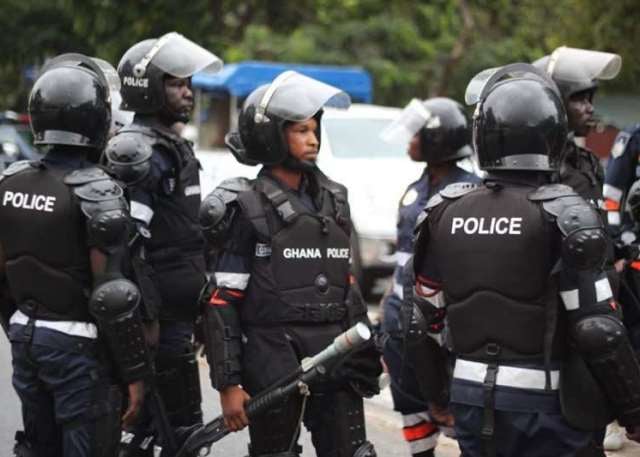
Reports circulating in media outlets alleging that ten junior police officers abandoned their legal challenge against the Inspector-General of Police (IGP) are categorically false. These officers, led by Sergeant David Ojeyim, initiated the lawsuit to contest what they deemed arbitrary and unjust transfer orders. The circulating narrative falsely claimed they had abandoned their legal pursuit, potentially leaving the impression of conceding to the IGP’s directives. However, the reality is quite different. The officers have not relinquished their fight for justice but have strategically maneuvered within the legal system to bolster their case.
Paragraph 2: Strategic Legal Maneuvering, Not Abandonment
The officers’ decision to withdraw their initial lawsuit was a calculated move, not an act of surrender. Their aim was to refine their legal arguments, enhance the supporting details, and re-file a stronger case. This tactical withdrawal and amendment are common legal procedures employed to solidify a plaintiff’s position. It demonstrates a commitment to pursuing justice through proper channels, not an abandonment of the cause. The narrative suggesting abandonment misrepresents the officers’ actions and their ongoing commitment to challenging the perceived injustice of the transfer orders.
Paragraph 3: Exposing Media Bias and Misinformation
The reports claiming abandonment raise serious concerns about journalistic integrity and balanced reporting. The narrative appears skewed in favor of the IGP and the Police Administration, lacking the perspective of the officers involved. This one-sided portrayal distorts public understanding of the legal battle and undermines the credibility of the media sources propagating this misinformation. Ethical journalism demands that all sides of a story be presented, especially in legal disputes where accurate reporting is crucial for upholding justice and transparency.
Paragraph 4: Unveiling Inconsistencies in the Narrative
Several key facts expose the inconsistencies within the false narrative. Firstly, since the case was re-filed, the IGP and Police Administration have not presented any legal response. This inaction raises questions about their preparedness to address the allegations. Secondly, the defendants’ lawyers appeared in court solely to request an adjournment, a move inconsistent with a case supposedly abandoned by the plaintiffs. If the officers had indeed abandoned their suit, there would be no need for an adjournment. Thirdly, the withdrawal and amendment of the initial suit represent a strategic legal maneuver, not an admission of defeat. These actions underscore the officers’ determination to pursue justice effectively.
Paragraph 5: Upholding Journalistic Ethics and Accountability
Journalists have a responsibility to ensure accuracy and impartiality in their reporting. Before publishing, especially on legal matters, engaging with all parties involved is crucial for balanced coverage. The failure to include the officers’ perspectives has led to a misleading narrative that misrepresents the facts and potentially damages public trust in the judicial system. The spread of misinformation undermines the principles of fairness and transparency essential for a well-informed public. Accountability is crucial to address this issue and ensure that future reporting upholds ethical standards.
Paragraph 6: Seeking Truth and Justice in 2025
The false allegations against the junior officers are a stark reminder of the need for vigilance against misinformation and propaganda. The new year should be a call for upholding truth, fairness, and progress. The media plays a crucial role in promoting these values by providing accurate and unbiased information to the public. The officers’ pursuit of justice through legal means should be acknowledged and respected. Their efforts to challenge perceived injustices should not be unfairly characterized by misleading narratives. The focus should remain on ensuring a fair and transparent legal process where all parties have the opportunity to present their case.