





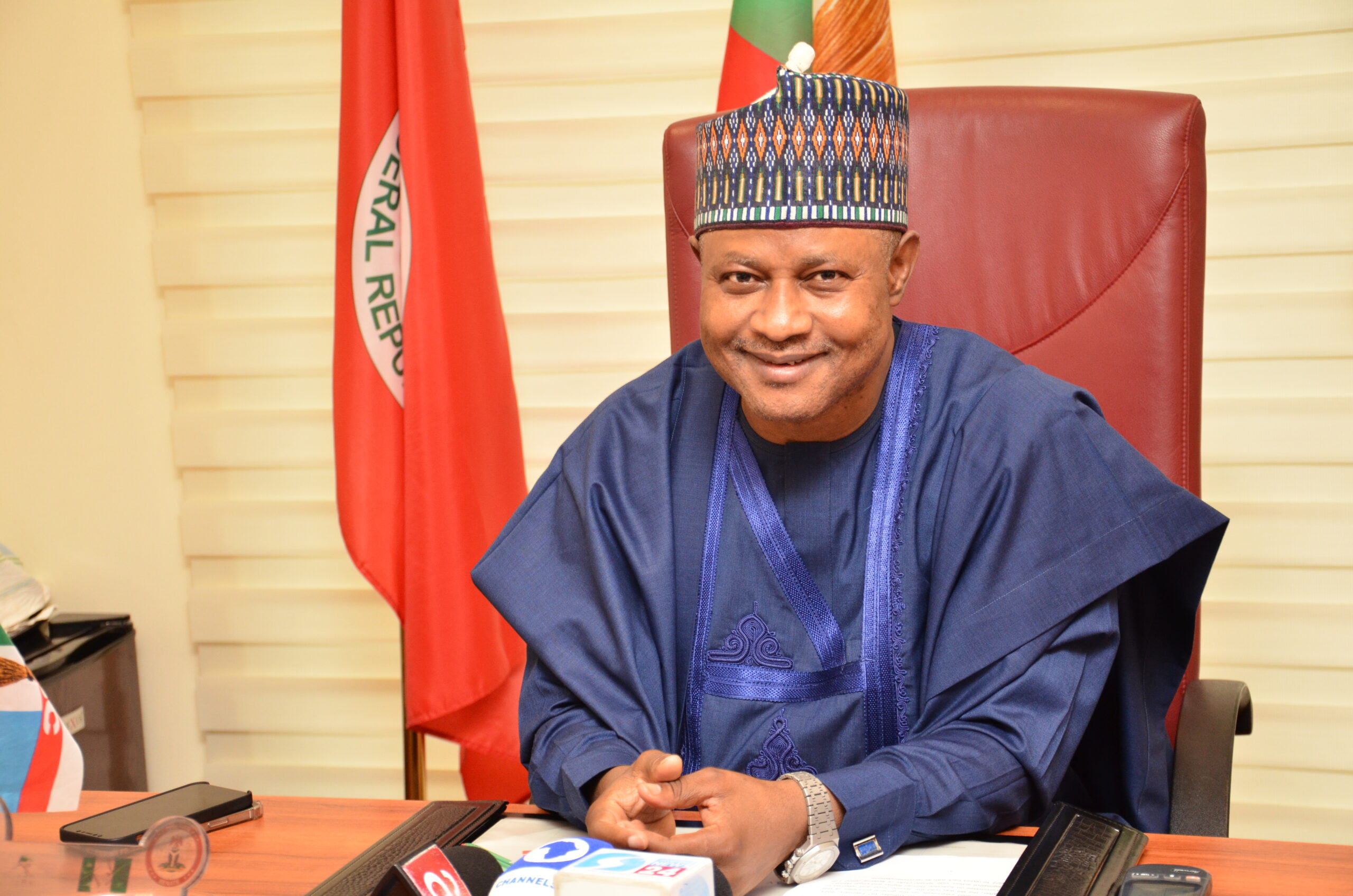
The Kaduna State Government has reaffirmed its dedication to addressing the issue of out-of-school children in the region, with ambitious plans to construct an additional 50 schools and reintegrate 200,000 children into the educational system. Governor Uba Sani made these declarations during the opening of the Reaching Out-of-School Children Start-Up Workshop, emphasizing that the high number of out-of-school children, including those with disabilities, poses a substantial barrier to inclusive development. He underscored the belief that every child deserves access to quality education, irrespective of their background or circumstances.
In his speech, the governor outlined six strategic focus areas that his administration will target to combat the out-of-school children crisis. These priorities include enhancing access to education, upgrading and repairing existing educational infrastructure, increasing teachers’ capacity, leveraging information and communication technology (ICT) to improve both access and quality, promoting education for girls, and reinforcing security within the state. He mentioned that the administration has already made notable progress, having built 62 new secondary schools across the three senatorial zones, with an additional 50 secondary schools approved for construction.
Governor Sani elaborated on the state’s educational advancements, revealing that the state government has constructed 2,326 new classrooms, renovated 707 classrooms, and provided essential instructional materials, teachers’ furniture, and sanitary facilities. Moreover, he announced the recruitment of 2,000 qualified teachers who are poised for deployment in the newly completed schools, enhancing the state’s commitment to inclusive education. This diligent work is a reflection of the government’s resolve to ensure that all children in Kaduna State have access to quality education, as Sani stated.
The governor expressed gratitude to various development partners who have provided support and guidance in these educational initiatives, emphasizing collaborative efforts as crucial for success. He called upon stakeholders, including parents, community leaders, and civil society organizations, to join forces with the state government. Sani emphasized the importance of collective action in securing quality education for every child, asserting that it is a shared responsibility that extends beyond the government to the entire community.
Ezra Angai, the State Coordinator for the Reaching Out-of-School Children Project, outlined the project’s goals, which include returning 200,000 out-of-school children to school, training 8,780 School-Based Management Committee (SBMC) members, and building the capacity of 511 officers involved in planning, budgeting, and monitoring educational initiatives. The project plans to accomplish these goals through eight strategic components, which consist of improving educational access by constructing 102 new schools and learning centers, as well as renovating 170 existing schools. Enhancing the quality of learning is also prioritized through professional development programs for teachers.
Furthermore, the project’s scope extends to bolstering the educational system by implementing a fully functional and digitized Education Management Information System, which is designed to improve accountability and discipline across the education sector. Representatives from development organizations, including the Islamic Development Bank, Kuwait Fund for Arab Economic Development, the Global Partnership for Education, and UNICEF, praised the Kaduna State Government for its firm commitment to ending the out-of-school children crisis. They committed to maintaining their support for the government’s efforts to ensure that education is inclusive and accessible for all children in the state, signifying a collaborative approach to achieving educational goals.








