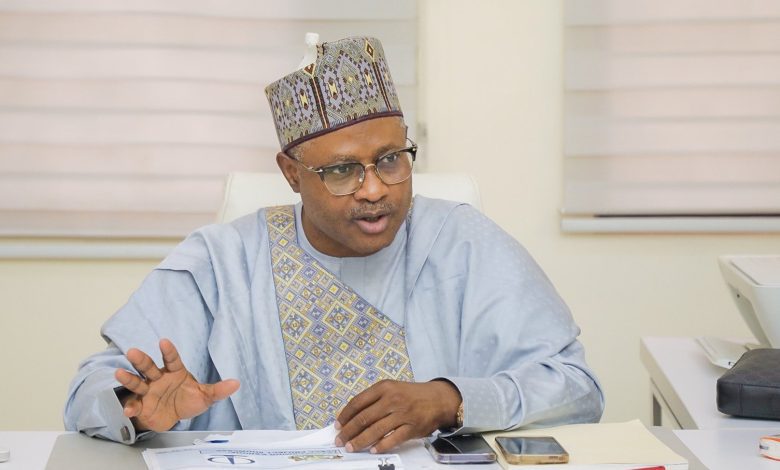
Financial inclusion, the process of integrating individuals and businesses into the formal financial system, has become a critical development agenda globally, and Nigeria, with its significant unbanked population, has been actively pursuing strategies to bridge this gap. The Kaduna State Government, under the leadership of Governor Uba Sani, has taken a decisive step in this direction by signing an Executive Order for Financial Inclusion and subsequently onboarding 2.2 million vulnerable residents into the financial system within just eight months. This achievement underscores the state’s commitment to expanding access to financial services for its underserved and underprivileged citizens, recognizing the transformative potential it holds for economic and social progress.
The governor’s initiative targets individuals who previously lacked access to basic financial services, such as bank accounts, credit facilities, and insurance. By bringing these individuals into the formal financial system, the Kaduna State Government aims to empower them economically and socially. Access to financial services can provide a pathway out of poverty by enabling individuals to save, invest, and manage their finances more effectively. It also facilitates participation in the formal economy, allowing individuals to engage in commercial activities and access credit for business ventures, thereby fostering economic growth and creating opportunities for income generation.
Moreover, financial inclusion promotes social integration by connecting marginalized communities to mainstream financial services. This integration can enhance their access to essential services like healthcare and education, further contributing to their overall well-being and contributing to societal progress. The governor’s emphasis on reaching the vulnerable segments of the population aligns with the broader national agenda of promoting inclusive growth and reducing inequalities.
Governor Sani’s actions resonate with the national concern over the high rate of financial exclusion in Nigeria. With over 70% of the population excluded from the formal financial system, the country faces a significant challenge in achieving its development goals. This large unbanked population represents a missed opportunity for economic growth and development. By bringing these individuals into the financial fold, Nigeria can unlock their economic potential and create a more inclusive and prosperous society.
The governor’s strategy leverages financial technology (FinTech) to expand the reach of financial services. FinTech platforms, like eTranzact, offer innovative solutions that can overcome the limitations of traditional banking infrastructure and reach underserved populations in remote areas. By utilizing mobile banking, digital wallets, and other FinTech tools, the Kaduna State Government can provide convenient and affordable access to financial services for individuals who were previously excluded due to geographical barriers or the cost of accessing traditional banking services.
The launch of eTranzact’s new solutions, Credo and PocketMoni, further reinforces the commitment to expanding financial inclusion through technology. These solutions provide user-friendly platforms for individuals to access a range of financial services conveniently and securely. Credo and PocketMoni aim to simplify payment processing, making it easier for underserved populations to participate in the digital economy and access essential financial services. These innovations are in line with the global trend of leveraging technology to drive financial inclusion, offering hope for bridging the gap between the banked and unbanked populations. The Kaduna State Government’s partnership with FinTech companies like eTranzact demonstrates the importance of public-private collaboration in achieving financial inclusion goals. By working together, government and private sector actors can leverage their respective strengths to create a more inclusive and dynamic financial ecosystem. This collaboration can accelerate the pace of financial inclusion and contribute to broader economic development.